Understanding the Naming Process of Hurricanes
Hurricanes, also known as tropical cyclones, are powerful storms that form over warm ocean waters and can cause significant damage. When you hear about the name of a new hurricane on the news, you might think it’s completely random. However, there is a lot more to the naming process than meets the eye.
The Importance of Hurricane Names
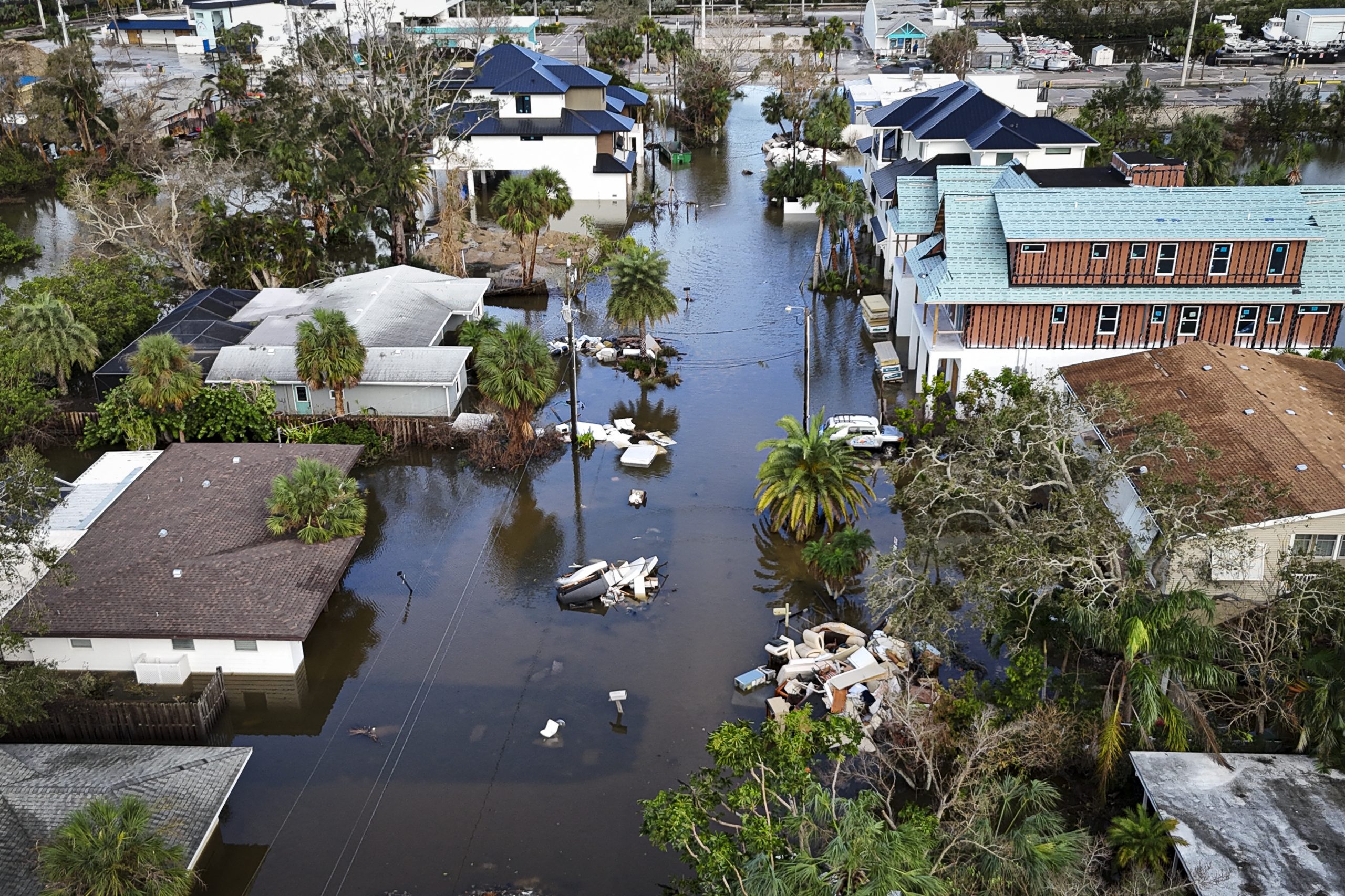
Naming hurricanes might seem like a trivial task, but it plays a crucial role in communication, preparedness, and response efforts. According to Matt Sitkowski, PhD, a meteorologist and science editor-in-chief for The Weather Channel, “Naming hurricanes is incredibly useful, especially in the age of social media and the hashtag.” This practice makes it easier to find information and helps with recall.
How Hurricanes Are Named
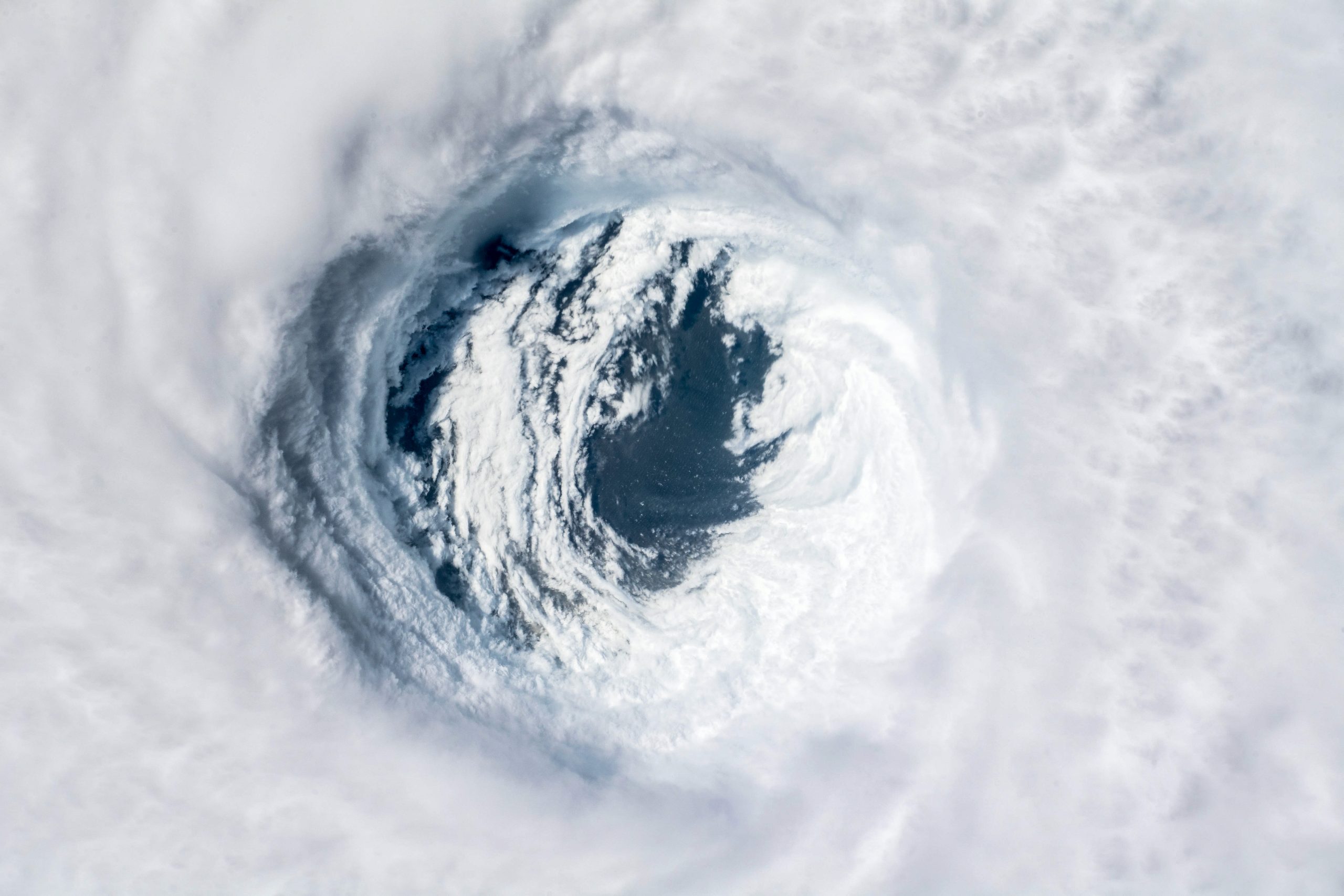
As CBS explains, a cyclone is assigned a name when it reaches tropical storm strength, which is defined by sustained winds of at least 39 mph (62.7 km/h). Once the winds reach 74 mph (119 km/h), the storm is classified as a hurricane. According to the Encyclopedia Britannica, the World Meteorological Organization (WMO) is responsible for assigning names to tropical cyclones. This practice began in the early 1950s to improve communication during storm events. Before this, storms were identified by their geographic location or by arbitrary numbers, which could often lead to confusion. By giving each storm a unique name, the WMO aimed to make it easier for the public, media, and emergency services to track and respond to these events.
The Evolution of Hurricane Naming
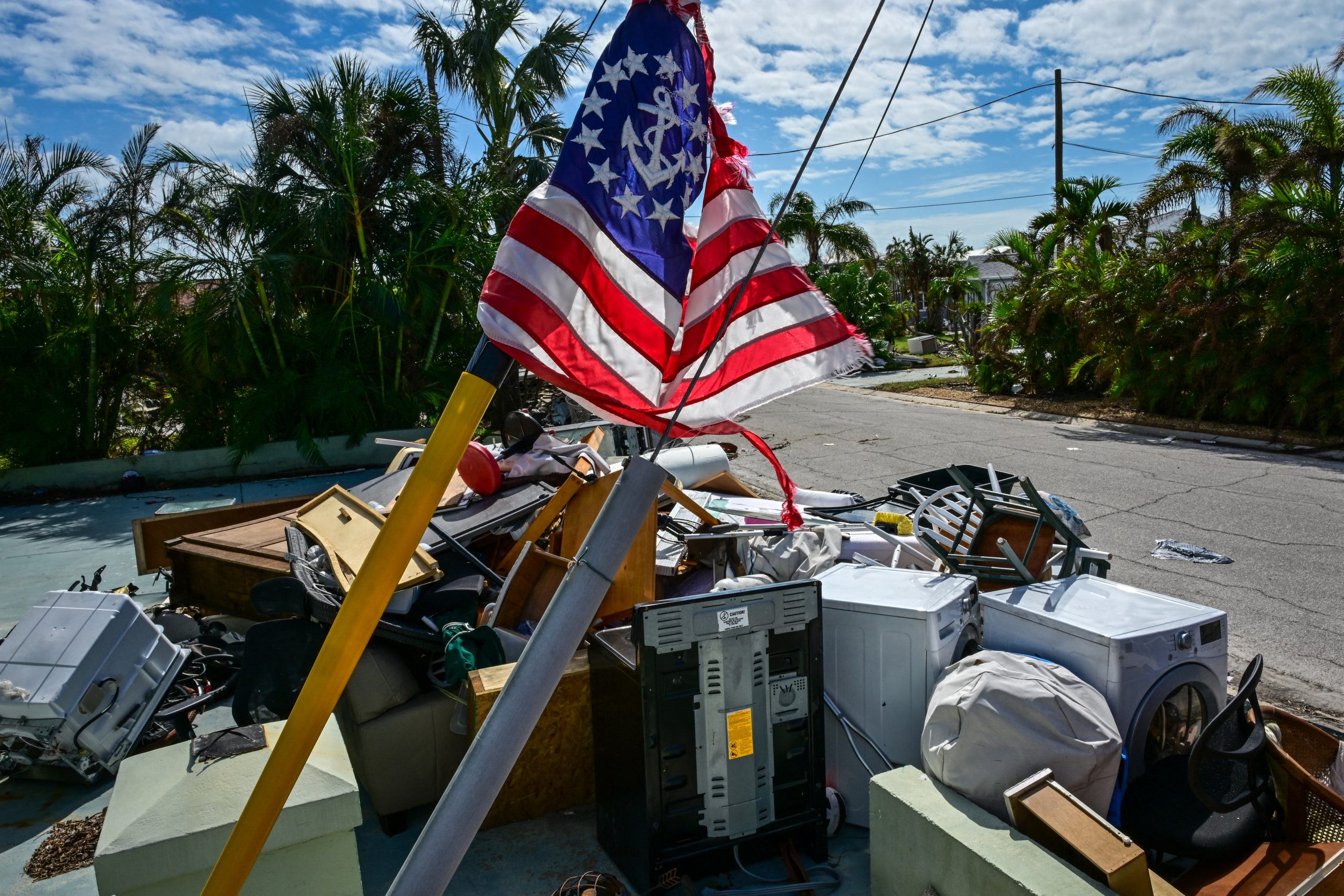
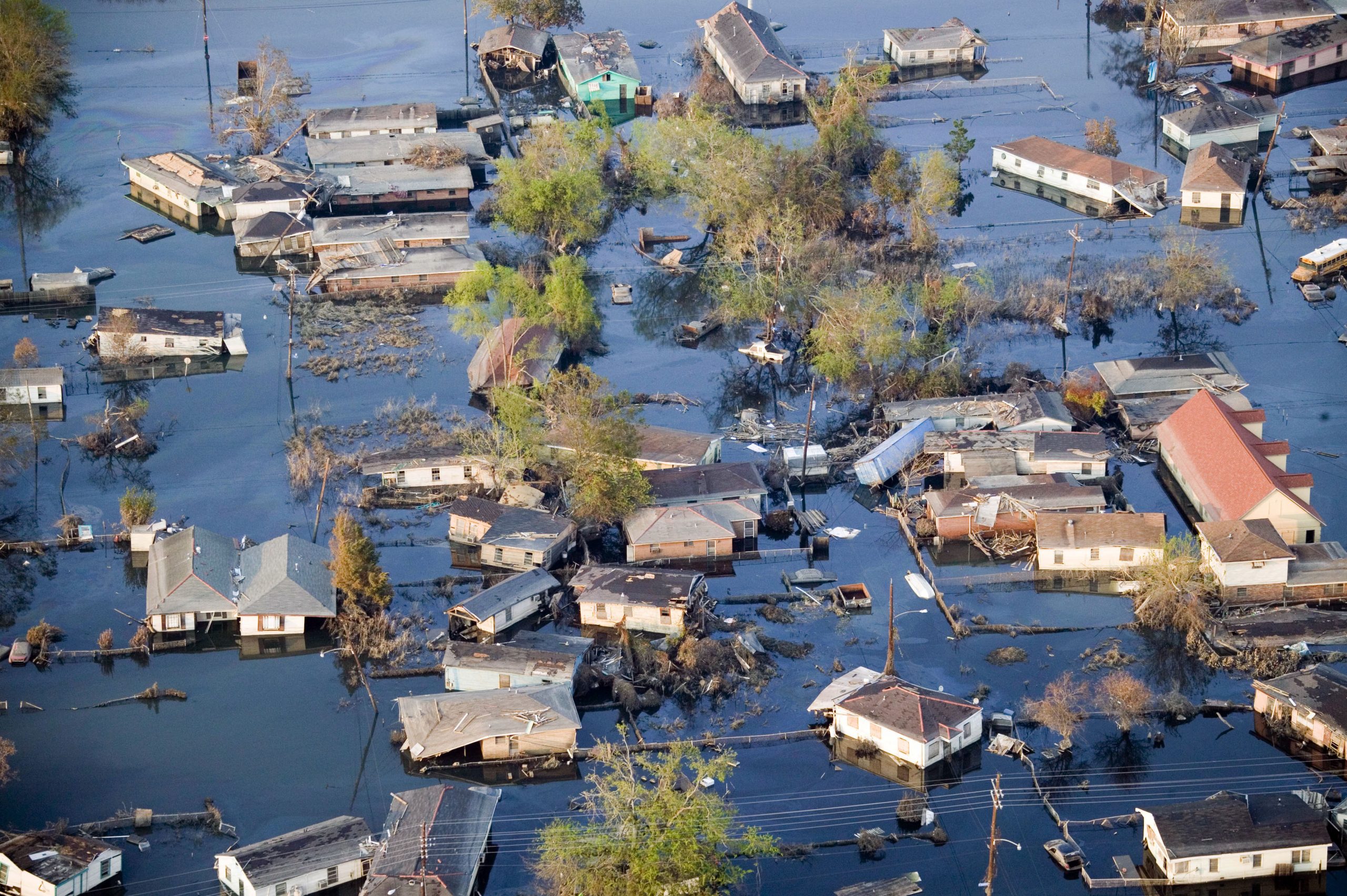
Currently, hurricanes are named alternating between male and female names. Encyclopedia Britannica notes that this system began for Pacific storms in 1978 and Atlantic storms in 1979. If you’ve ever noticed that some of the storm names seem somewhat repetitive, you aren’t wrong. In the Atlantic region, the WMO recycles its list of storm names every six years, meaning that the list of storm names used in 2004, for example, is used again in 2010. However, with the most damaging and notorious storms, the names are not reused. For example, Britannica notes that Hurricane Katrina in 2005 led to the name Katrina being permanently retired from the storm name list, and it was then replaced with a new name.
The System Behind the Names
Another curious fact is that according to the WMO, the lists of male and female names are alternated for naming the storms in alphabetical order. For example, the first storm of the year might be named “Alex,” the second “Beryl,” and so on. This system continues until all names on the list are used, after which the list starts over. Even though the WMO oversees the naming process, regional meteorological organizations may have input into the names used. For example, in the Indian Ocean region, countries like India and Bangladesh contribute to the naming of cyclones. This collaborative approach ensures that names are culturally appropriate and resonate with the local populations.
The Significance of Hurricane Naming
Naming hurricanes is essential and not just some wacky tradition, so much so that it has become a vital part of how the world both manages and responds to these powerful natural events.
Leave a Reply
You must be logged in to post a comment.