The Closure of an Iconic Florida Grocery Chain
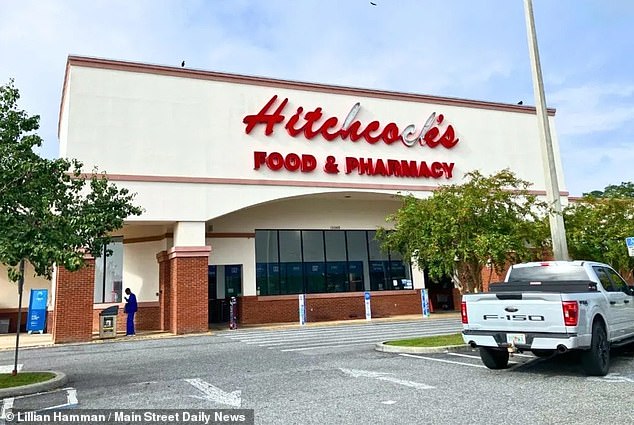
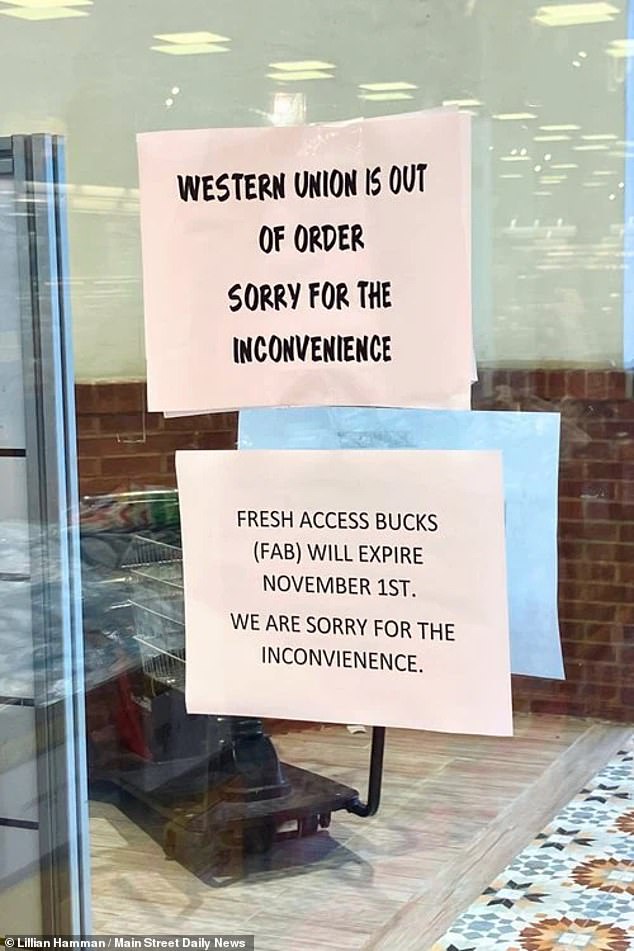
Hitchcock’s Market, a beloved North Florida grocery chain that operated for 80 years, has officially closed its doors. This closure marks the end of an era for many communities and employees who had relied on the store for decades.
The family-run grocer once employed over 800 people and generated approximately $150 million annually. However, the chain’s final ten stores, spread across small towns in North Central Florida, were sold to larger competitors such as Winn-Dixie and Bravo. Alan Hitchcock, the son of one of the store’s co-founders, expressed mixed feelings about the closure. While he admitted it was sad to see the name disappear, he also said it was a relief due to differences in philosophy and management styles.
At its peak, Hitchcock’s was renowned for its meat counter and dedication to local sourcing. However, in recent years, customer satisfaction declined. One Reddit user described it as “the nastiest grocery store I’ve ever had to endure.” For some small towns, Hitchcock’s was the only local grocer, making its loss particularly painful. Several stores were the sole providers of fresh food in their communities.
Impact on Employees and Customers
Employees are now in a state of uncertainty as the new owners begin renovations. Dylan Saley, an employee at the Keystone Heights location, shared his concerns with local ABC affiliate WCJB. He mentioned that while there was talk of keeping jobs, it was unclear if that would happen. “We might have to reapply, but I’m just going to keep looking around and see if there’s anything else,” he said.
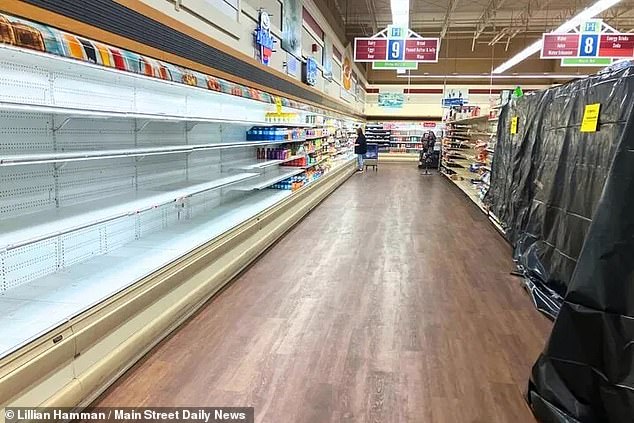
Managers told Mainstreet Daily News that vendors had already started pulling back before the closure, especially after the company’s former owner passed away last year. Some companies stopped deliveries altogether due to missed payments. By the time liquidation sales began, with steep 30 percent markdowns, even well-known products like Coca-Cola disappeared quickly and were never restocked.
A former manager revealed that executives were not transparent about plans to sell the brand. “In small grocery chains, information travels fast,” they said. “Everybody kind of started putting their plan together to try to purchase.”
Challenges Facing Small Grocery Stores
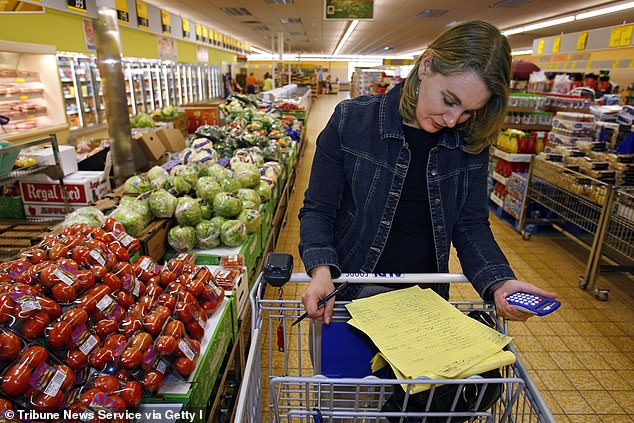
Small grocery stores across America are facing similar challenges. Persistent food inflation, the rise of online competitors, and supply chain issues have led to empty shelves and declining sales. Rural stores have been hit particularly hard, with an estimated 2,700 closures this year.
This trend has affected major players in the industry. Kroger, one of the largest grocery chains in the nation, announced plans to close 60 underperforming stores and lay off 1,000 employees in August. Albertson-owned Safeway also announced the closure of multiple rural locations. Even Amazon has had to shutter some of its grocery stores.
Broader Implications
The closure of Hitchcock’s Market raises questions about the future of small-town grocery stores. With thousands of retailers closing nationwide, the trend suggests a worrying shift in the retail landscape. Will this be the beginning of a broader industry shakeup? How will these closures impact local communities?
As larger chains continue to consolidate, the survival of smaller, family-owned businesses becomes increasingly uncertain. The story of Hitchcock’s Market serves as a reminder of the challenges faced by independent grocers in a rapidly changing market.
Leave a Reply
You must be logged in to post a comment.