Unusual Autumn and the Rise of Wasps
Autumn is typically a season associated with squirrels, hedgehogs, and golden leaves. However, this year, the arrival of autumn has brought an unexpected twist — a surge in wasp activity. These insects, which usually start to hibernate or die off at the end of summer, are still active due to the unusually warm weather.
Pest control experts predict that call-outs for dealing with wasp nests will continue well into December because of the mild temperatures. Craig Morris, a pest and wildlife management service provider in Hampshire, has noticed a significant increase in his workload related to wasps over the past few years. He reported that his autumnal wasp workload has doubled compared to just three years ago.
Morris shared with The Mail on Sunday: “This year has been a very busy year for wasps because the weather has been so mild. These warmer winters mean the queens are surviving in larger numbers than usual.”
He added: “It’s all very weather dependent. Last year, spring was very wet, so many nests were destroyed by the rain. This year we had such a good spring, the wasps got busy straight away, and this summer was my busiest period in 17 years.”
Currently handling five or six wasp call-outs a week, Morris noted: “Wasp numbers have been extraordinary all around the country. And because we are not having the frosts we used to have in late autumn, more wasps are surviving. I expect I’ll be dealing with nests right into December.”
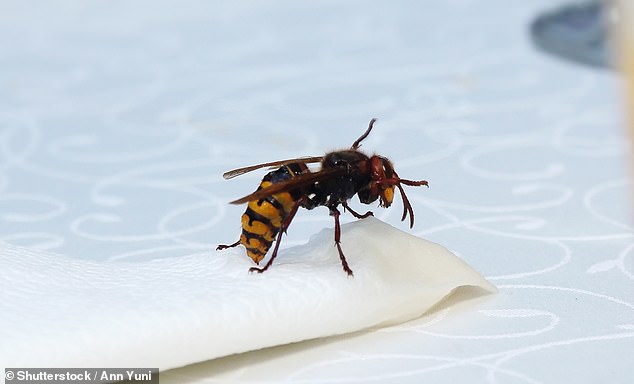
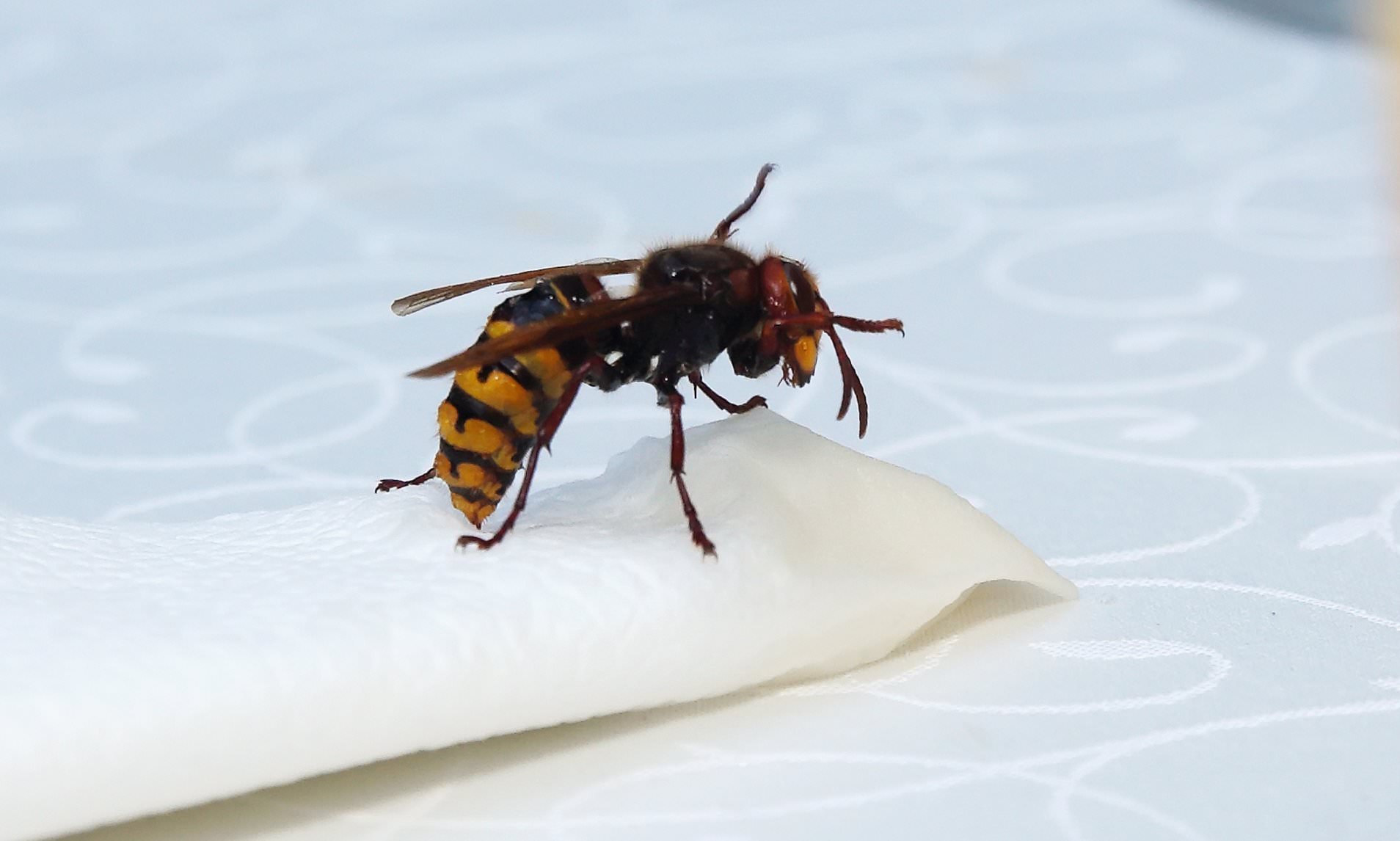
Queens, which typically fly away from the nest to hibernate in September, are often mistaken for hornets due to their size. The increase in the number of queens surviving the winter is expected to lead to more nests and even higher wasp numbers next year.
Following the warmest and sunniest recorded spring, this summer was also the hottest on record for the UK, according to the Met Office. This period heralded a “wasp boom” — an increase in both the size and number of colonies compared to previous years.
While the increased presence of wasps might cause annoyance, these pollinators play a positive role in the UK’s ecosystem. Wasps act as natural pest control by preying on insects like caterpillars and aphids, which can damage crops.
The Impact of Climate Change on Wasp Populations
The changing climate has had a noticeable effect on wasp behavior and population dynamics. Warmer temperatures have allowed queen wasps to survive longer, leading to larger and more numerous colonies. This trend is likely to continue as global temperatures rise.
Experts warn that the growing wasp population could lead to more frequent encounters with humans, especially during the late autumn months. With the absence of frost, wasps are no longer being naturally culled, allowing them to thrive.
The following questions highlight the concerns surrounding this phenomenon:
- Could the UK be swarming with angry wasps this summer as nests grow to space hopper size?
- Has soaring UK temperatures turned wasps wild, causing a ‘perfect swarm’ epidemic this summer?
- Has the recent oppressive heat sparked a ‘population explosion’ of wasps leading to jumbo nests across Britain?
- Why has Britain been invaded by swarms of wasps amidst this blazing summer heat?
- With wasps attacking earlier this year, are we facing a ‘perfect swarm’? Get the lowdown on this unusual phenomenon!
As the weather continues to shift, it’s clear that wasps are becoming a more prominent feature of the British landscape. Their increased numbers and activity levels are a direct result of environmental changes, and their impact on both ecosystems and human interactions is something that warrants further attention.
Leave a Reply
You must be logged in to post a comment.