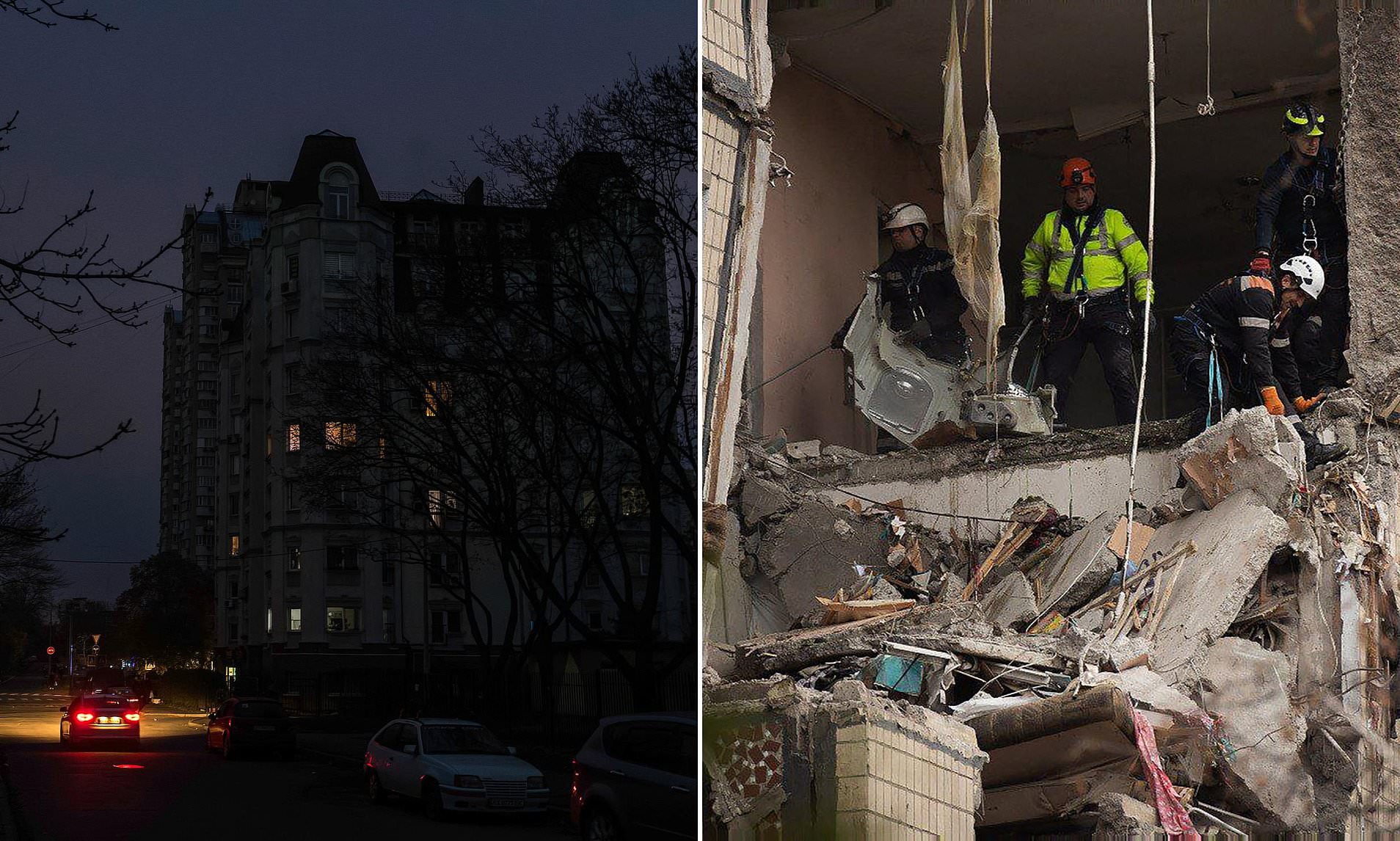
Escalation of Attacks on Ukraine’s Energy Infrastructure
Ukraine is working tirelessly to restore power and heating systems following a series of Russian attacks targeting its energy infrastructure. The state-owned power provider reported that generating capacity had been reduced to “zero” after the strikes, causing widespread disruption across the country.
Russian forces have intensified their attacks on Ukrainian infrastructure in recent months, launching hundreds of drones at energy facilities overnight into Saturday. These attacks have significantly impacted electricity, heat, and water supplies in several cities. The state power company Centerenergo warned that its generating capacity was down to zero, with an unprecedented number of missiles and countless drones targeting thermal power plants that had only recently been restored after previous attacks.
Power outages are expected to last between eight and 16 hours daily across most regions of Ukraine on Sunday, as repairs are carried out and energy sourcing is redirected. The energy minister described this as one of the most difficult nights since Russia’s invasion began in February 2022. Although the situation has somewhat stabilized, areas such as Kyiv, Dnipropetrovsk, Donetsk, Kharkiv, Poltava, Chernigiv, and Sumy may still experience regular power cuts.
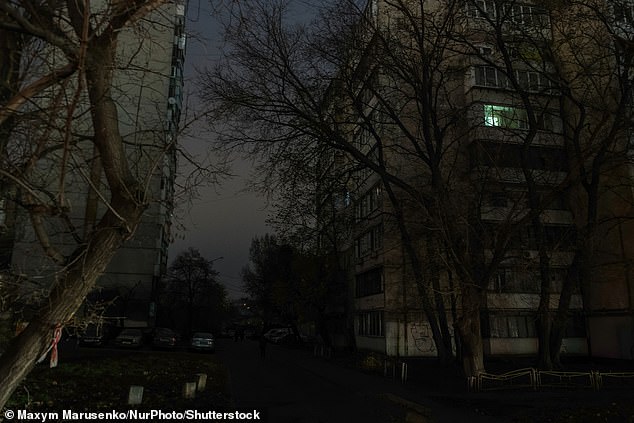
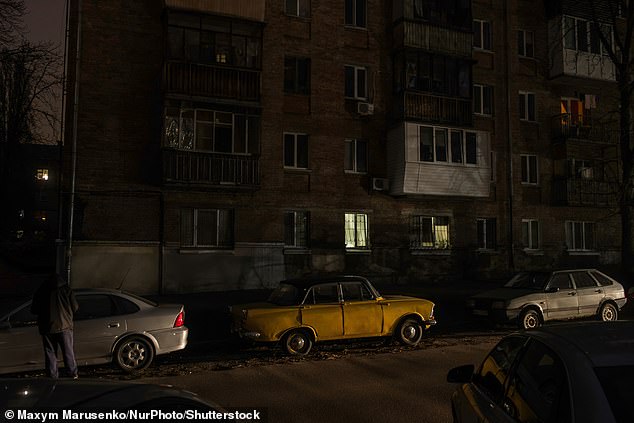
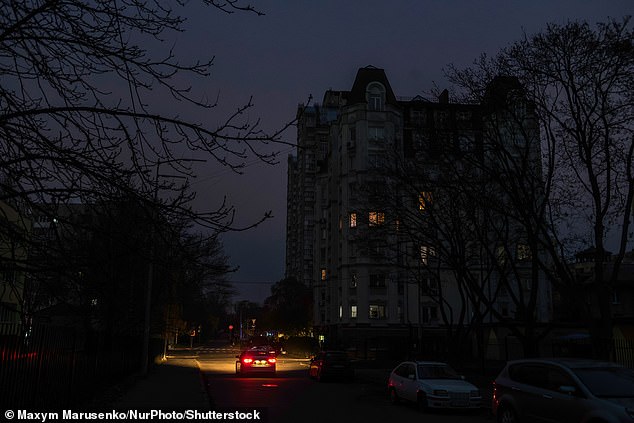
The Russian attacks included ballistic missiles, which are extremely difficult to intercept. The energy minister noted that it was hard to recall such a large number of direct strikes on energy facilities since the start of the invasion. Additionally, Russian drones targeted two nuclear power substations deep in western Ukraine, raising concerns about nuclear safety. The substations power the Khmelnytskyi and Rivne nuclear plants, located approximately 75 and 59 miles from Lutsk, respectively.
Ukrainian Foreign Minister Andriy Sybiga called for an urgent meeting of the International Atomic Energy Agency (IAEA) Board of Governors, urging them to respond to the risks posed by these attacks. He also urged China and India, major buyers of Russian oil, to pressure Moscow to stop its attacks.
Ukraine’s air force reported that it successfully shot down 406 drones and nine missiles out of the 458 drones and 45 missiles launched by Russia overnight. However, experts warn that the strikes on energy infrastructure could lead to heating outages as winter approaches.
Russia has repeatedly targeted Ukraine’s power and heating grid throughout its nearly four-year invasion, destroying a significant portion of key civilian infrastructure. The attack overnight into Saturday marked the ninth massive assault on gas infrastructure since early October, according to Ukraine’s energy company Naftogaz.
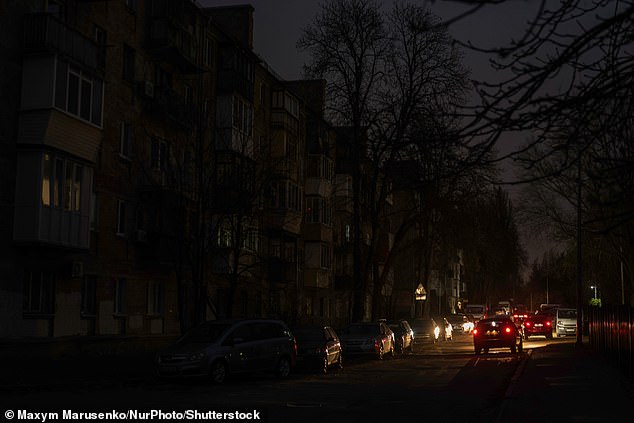
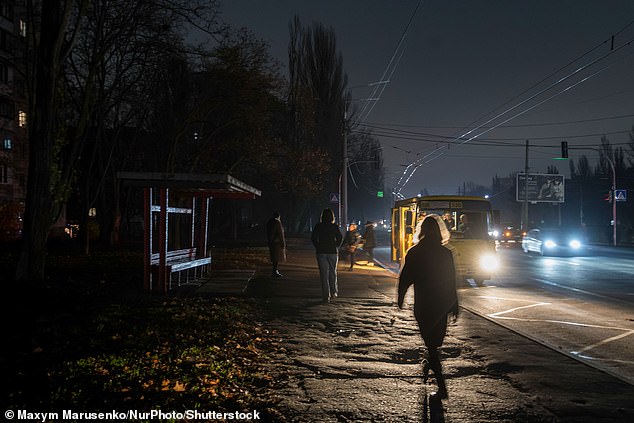
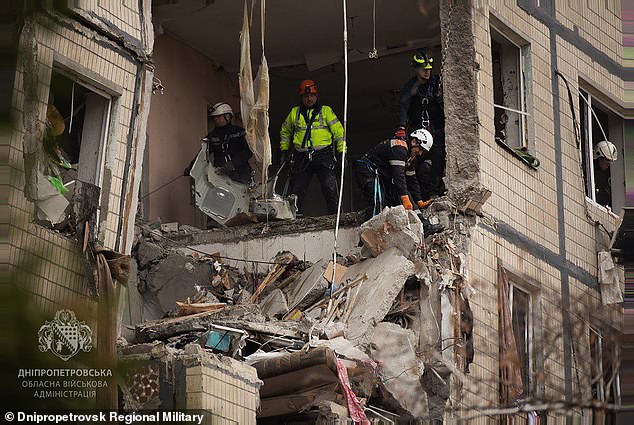
A report by Kyiv’s School of Economics estimated that the attacks have shut down half of Ukraine’s natural gas production. Oleksandr Kharchenko, Ukraine’s top energy expert, warned that if the capital’s two power and heating plants were offline for more than three days when temperatures fall below minus 10C, it could result in a “technological disaster.”
Ukrainian cities, which rely heavily on central heating, must prepare contingency plans to prevent buildings from freezing if heating supplies are destroyed. In response, Ukraine has increased its strikes on Russian oil depots and refineries, aiming to cut off Moscow’s vital energy exports and trigger fuel shortages.
Fires broke out at a power plant in the western Kursk region and the southern Voronezh region following Ukrainian strikes, according to regional governors. Belgorod Governor Vyacheslav Gladkov reported severe damage to the electricity and heating supply network in the regional capital, leaving more than 20,000 residents without power.
In response to the attacks on refineries over the summer, Russian authorities extended a ban on petrol exports until the end of October to curb rising fuel prices. As the conflict continues, the question remains: will Russia’s energy-striking tactics leave millions of Ukrainians in the cold during a harsh winter?
Leave a Reply
You must be logged in to post a comment.