The Hidden Hygiene Hazards in Your Bathroom
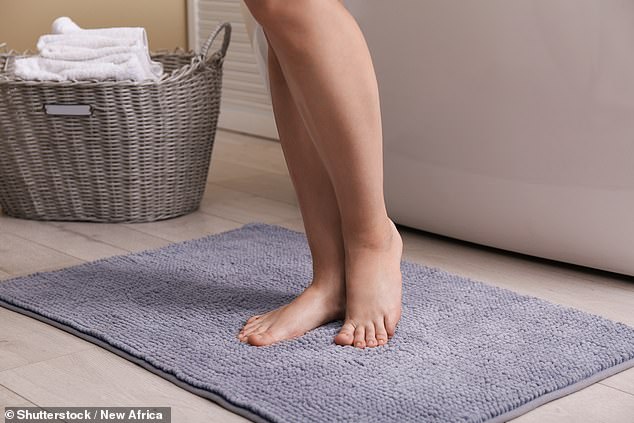
Bath mats are a common item that many people use daily without giving much thought to their cleanliness. However, experts have warned that these seemingly harmless items can actually be breeding grounds for germs and bacteria if not properly maintained.
Bath mats are designed to absorb moisture after each shower, but this very feature makes them prone to mold and bacterial growth, especially if they remain damp for long periods. According to Plumbworld, the best way to prevent this is by washing bath mats on a hot cycle once a week and ensuring they dry completely. It’s important to avoid leaving them flat on the floor when wet, as this traps moisture and encourages mold growth. If your mat has dark spots or a musty smell, it may be time to replace it with a new one.
But bath mats aren’t the only items in your bathroom that can become germ-infested. Bathrooms are naturally warm and damp environments, making them ideal for bacteria and mold to thrive. Over time, everyday essentials can collect germs that could lead to skin problems, stomach bugs, or breathing issues if not cleaned regularly.
Other Common Bathroom Items That Need Attention
Toothbrushes are another item that often goes unnoticed but can be quite dirty. They come into contact with saliva, toothpaste residue, and potentially even germs from toilet flushes, known as ‘toilet plume.’ This can cause the bristles to trap bacteria over time, reducing their effectiveness and even spreading germs in your mouth. Experts recommend replacing your toothbrush every three months or sooner if the bristles look worn. After each use, rinse it thoroughly, shake off any water, and store it upright to allow it to dry completely.
Shower loofahs and sponges also pose a risk. These items can accumulate dirt, moisture, and soap residue, creating the perfect environment for bacteria to grow. It’s essential to rinse them after every use, wash them weekly in hot water, and replace them every month or two to maintain hygiene.
Old towels can also become a source of bad smells and germs. They tend to collect dead skin, oils, and bacteria over time. To keep them clean, it’s recommended to wash towels every three or four uses at a temperature of at least 60°C. If they start to smell musty or feel rough, it might be time to replace them every couple of years.
Toiletries and cosmetics can also harbor bacteria, especially when stored in warm, steamy areas. Using expired products can irritate your skin, eyes, or scalp. Experts advise keeping lids tightly closed and storing products in a cool, dry place to prevent bacterial growth.
A Guide to Cleaning and Replacing Bathroom Essentials
Here’s a quick reference guide to help you maintain a hygienic bathroom:
- Toothbrushes: Replace every three months
- Shower loofahs and sponges: Wash once a week in hot water or soak in a vinegar solution to kill germs. Replace every month or two
- Towels: Wash towels every three or four uses at a hot temperature. Replace every couple of years
- Bath mats: Wash once a week. Replace if it has dark spots or a mildew smell
- Toiletries and cosmetics: Check expiry dates every few months and throw away anything that’s been open for more than a year
Even if your bathroom looks clean, it’s worth taking a closer look at the items you use every day. Simple habits like replacing old toothbrushes, washing towels often, and drying bath mats properly can make your bathroom a much healthier place for you and your family.
Leave a Reply
You must be logged in to post a comment.