A Vision for Transforming Nigeria’s Healthcare System
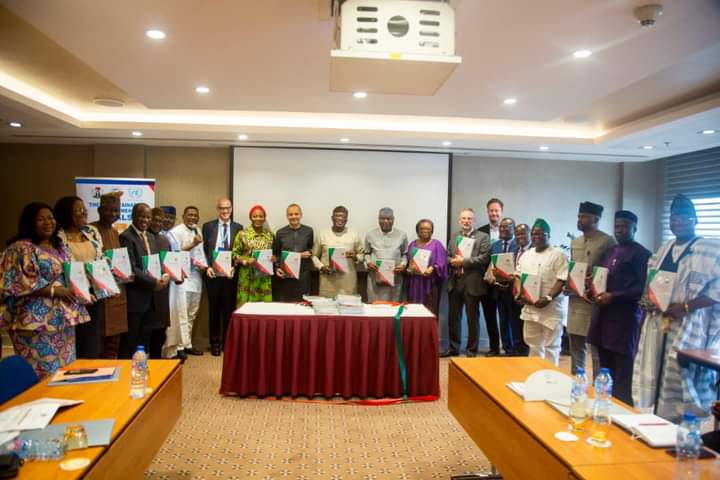
Chancellor of Ekiti State University, Tunji Olowolafe, has unveiled a bold and comprehensive plan aimed at revolutionizing Nigeria’s healthcare system. His vision is centered on moving beyond mere complaints about the current state of affairs and instead focusing on aggressive investment and innovation to make medical tourism “irrelevant.” This initiative was shared during a statement released in response to the Nigerian Medical Association (NMA) conference, which took place in Abuja under the theme “Reversing Medical Tourism, Africans Investing in Africa.”
Olowolafe emphasized the urgent need to tackle the issue of capital flight, highlighting that Africa loses approximately $7 billion annually due to medical tourism, with Nigeria alone accounting for an estimated $2 billion. He described this outflow as a significant drain on confidence, capacity, and hope for the future.
He pointed out that Nigeria possesses the talent and potential to lead globally in the medical field. The nation is home to some of the best doctors, lawyers, and engineers in the world. With focused effort, he believes the Nigerian medical industry could become one of the best in the world within the next five years.
Key Strategies for Transformation
To achieve this transformation, Olowolafe outlined four key strategies:
- Action-Driven Leadership: Emphasizing the need for decisive and effective leadership in the healthcare sector.
- Investment in Enterprise: Encouraging private sector involvement and large-scale investments in the medical industry.
- Technological Leapfrogging: Promoting the use of advanced technologies to improve healthcare delivery and outcomes.
- Rebuilding Public Trust: Focusing on restoring trust in local healthcare services through transparency and quality care.
Olowolafe called on the NMA to play a pivotal role as a “convenor of data, dialogue, and delivery.” He urged the association to engage government, private sector players, the diaspora, development partners, and private equity stakeholders to drive evidence-based policymaking. To fulfill this role, he stressed that the NMA secretariat must be adequately resourced with financial and human capital, including multi-sectoral executives to ensure strong leadership.
Government Efforts and Investor Confidence
Olowolafe acknowledged the existing efforts by the government, such as the National Health Insurance Authority Act 2022, executive orders removing tariffs on medical machinery, and the Renewed Hope Agenda commitment to train 120,000 new health workers. These initiatives are seen as positive steps toward improving the healthcare landscape.
Addressing concerns from investors, Olowolafe insisted that Nigeria is “bankable,” encouraging private sector participation in large-scale medical investments. He highlighted opportunities arising from the expected $30 billion in foreign direct investment in the oil and gas sector by 2030, which could help establish “proper hospitals and trauma centers” in cities like Warri and Port Harcourt.
Training and Technological Advancement
Olowolafe also emphasized the importance of training doctors in “capitalism” through short courses in feasibility, economic analysis, and financial management. This would complement their clinical skills and prepare them for the business side of healthcare.
He highlighted the role of technology as a “great equalizer,” calling for a shift from being a market for medical solutions to becoming a “maker of medical breakthroughs.” He recommended integrated health ecosystems that connect doctors, laboratories, universities, and investors. Investments in digital health platforms, AI diagnostics, and blockchain-secured medical records were also suggested as essential components of this transformation.
Investment in Local Talent and Education
Olowolafe advocated for investing in local talent and medical education, arguing that the Nigerian educational system is “correct, appropriate, and of global standards,” despite the challenges posed by brain drain. He encouraged medical professionals to rebuild trust in local healthcare and to avoid strikes, noting that every day a strike persists, it delays care, postpones diagnosis, and erodes trust with patients.
He urged local investment in surgeons and biomedical engineers rather than relying on foreign solutions. His conclusion was clear: “When Africans invest in Africa, and the transformation plan is executed, medical tourism will not just be reversed—it will simply become irrelevant.”
Leave a Reply
You must be logged in to post a comment.