New Era of Formula 1: Lessons from the Past and Future Challenges
Mercedes’ trackside engineering director, Andrew Shovlin, has shared his insights on the upcoming changes in Formula 1 regulations for 2026. He believes that the new cars will not face the same issues of porpoising and bouncing that have plagued the current generation of machinery. However, he emphasizes the importance of remaining vigilant as teams explore the limits of the new aerodynamic formula.
Understanding the Changes in Floor Geometry
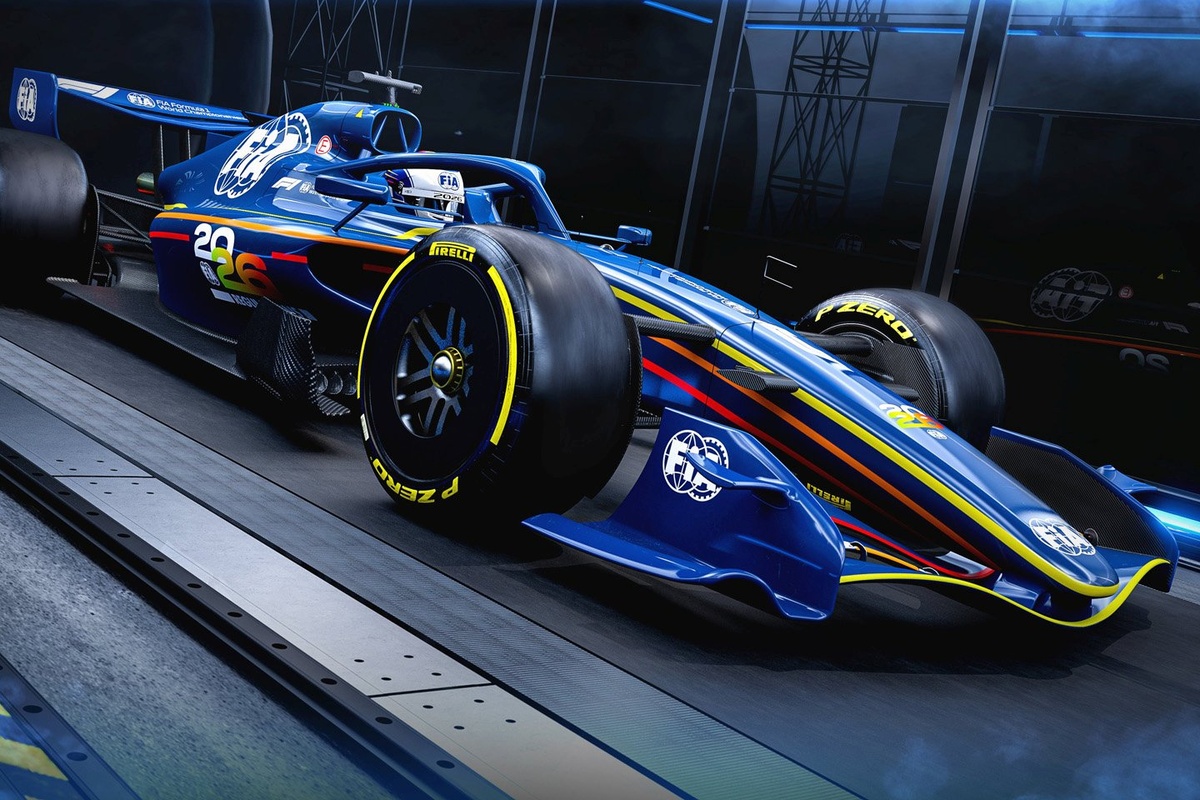
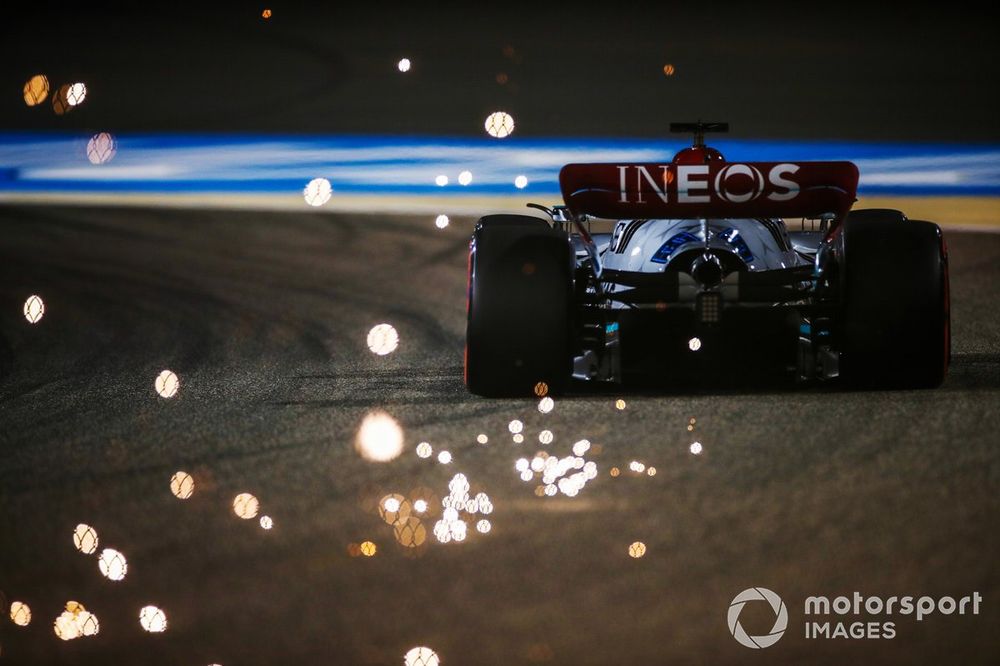
Next year’s floor geometry is set to align more closely with those used before 2022, featuring a largely flat floor between the front and the diffuser. This design change is expected to reduce the likelihood of porpoising due to the airflow structures underneath the car. The previous issues were attributed to vortex structures bursting under load, causing the car to bounce up and then settle back down, creating a cyclical motion.
Shovlin notes that while many theories circulated about the root cause of these issues, the core problem was the bursting of these vortex structures. With the new design, such problems are less likely to occur, but teams must still be prepared for potential challenges.
Learning from the Past
Despite the improvements, Shovlin acknowledges that there will always be traps for teams as they adapt to the new regulations. “There’s always going to be traps and there’s always going to be teams that are disappointed with the job they’ve done. You would never walk into a new set of regulations thinking it will be straightforward,” he explained.
He also highlighted that the regulations are moving back towards the previous generation of cars, which makes it less likely to encounter the same issues with porpoising that affected the start of these regulations. Even if similar problems arise, Shovlin believes teams now have the tools and knowledge to handle them more effectively.
“There is always the challenge of trying to get a new formula balanced because we can do work in the simulators but really until you start running the car on track you don’t know exactly how it’s going to behave.”
Strategic Variance in Energy Deployment
Shovlin also addressed George Russell’s claim about the potential for more “obscure” overtaking opportunities in 2026. He explained that the energy deployment aspect of the new rules will introduce further strategic variance. However, drivers must be cautious not to over-consume energy in certain situations, as this could lead to being gazumped later in the lap.
“It’s definitely a big factor in that there is a shortage of energy and you’ve got to do everything you can to harvest as much as possible,” Shovlin added.
He noted that while the energy shortage will create strategic opportunities for drivers, it will be a similar situation across the grid. “When you have that energy shortage it does create strategic opportunity for the driver so understanding where you can deploy it.”
The Evolution of Racing Strategy
Shovlin pointed out that there will be examples where passing early in a lap is relatively easy, but drivers may find themselves retaken later if they drive in such a manner. “It is the way the formula is going to evolve. I don’t think it will be necessarily a massive performance area but it will be a big factor in terms of the strategic racing.”
Preparing for the Future
As Formula 1 continues to evolve, the focus remains on balancing innovation with the lessons learned from past challenges. Teams will need to adapt quickly to the new regulations while maintaining a keen eye on potential pitfalls. The future of the sport looks promising, with a blend of technological advancements and strategic depth set to shape the next era of competition.
Leave a Reply
You must be logged in to post a comment.