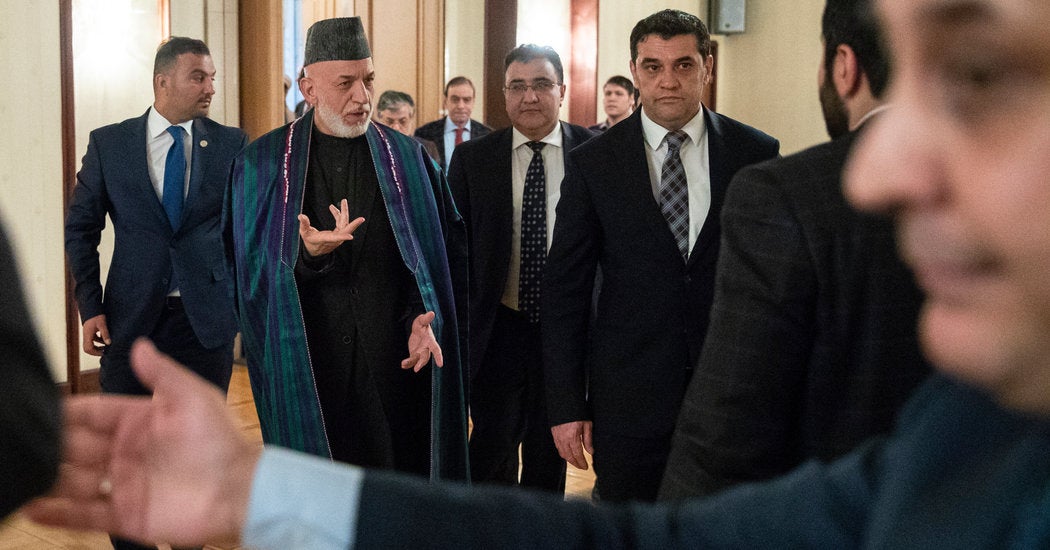
Ongoing Peace Talks Between Pakistan and Afghanistan in Istanbul
Delegations from Pakistan and Afghanistan are currently engaged in discussions in Istanbul, with the primary goal of ensuring stability along their shared border. The talks are taking place in the presence of mediators, as both nations seek to address longstanding issues that have contributed to tensions in the region. Despite ongoing negotiations, Islamabad has accused Kabul of violating a recent truce, highlighting the challenges faced in maintaining peace.
Qatar and Turkey are playing key roles in facilitating these dialogues, aiming to prevent any potential conflict in an area where various militant groups, including al-Qaida and the Islamic State, are attempting to regroup. This effort underscores the importance of regional cooperation in addressing security concerns and promoting stability.
Border Crossings Remain Closed
Despite the ceasefire agreements, all major border crossings between Pakistan and Afghanistan remain closed to trade and civilian movement. These crossings were shut on October 12, although Pakistan has partially reopened two of them to allow Afghan refugees to return home. This situation has significantly impacted cross-border trade and the daily lives of people living near the border.
The Afghan delegation is led by intelligence chief Abdul Haq Wasiq, while the Taliban spokesperson, Zabihullah Mujahid, has provided updates on the progress of the negotiations. Pakistan has repeatedly called on the Taliban to cease harboring the Tehreek-e-Taliban Pakistan (TTP), a group that has been linked to several violent incidents in the region.
Recent Clashes and Casualties
Recent clashes between border troops on October 11 resulted in casualties on both sides. According to Pakistan’s claims, at least 206 Afghan Taliban and 110 TTP operatives were killed, while Pakistan suffered the loss of 23 soldiers. These figures highlight the severity of the conflict and the need for effective measures to prevent further violence.
Pakistan’s Foreign Ministry has stated that the reopening of border crossings for trade and travel will depend on improvements in security along the border. This decision came after attacks on trade convoys from the Afghan side, which prompted the closure of the crossings.
Incident at Chaman-Spin Boldak Border Crossing
A brief exchange of fire occurred at the Chaman-Spin Boldak border crossing on Thursday, coinciding with the ongoing peace talks in Istanbul. The Pakistani Information Ministry rejected Afghan claims that Pakistani forces opened fire first, stating that firing was initiated from the Afghan side. In response, Pakistani security forces acted in a measured and responsible manner, bringing the situation under control.
The ministry emphasized its commitment to ongoing dialogue and expected reciprocity from Afghan authorities. However, Afghanistan’s interim government offered a different account, with Zabihullah Mujahid claiming that the firing started from the Pakistani side. He noted that Afghan forces had not responded to avoid civilian casualties and out of respect for the negotiating team.
Local police in Chaman confirmed that Pakistani border units returned fire after the initial shots but reported no casualties on either side. The exchange lasted briefly and did not disrupt movement in nearby civilian areas, according to a police official.
Focus on Preventing Cross-Border Militant Infiltration
The incident unfolded as senior delegations from Islamabad and Kabul continued discussions in Istanbul aimed at establishing a verified mechanism to prevent cross-border militant infiltration into Pakistan. This focus on security measures reflects the urgency of addressing the threat posed by militant groups operating in the region.
The talks underscore the complex nature of the relationship between Pakistan and Afghanistan, as both nations work to navigate the challenges of maintaining peace and stability in a volatile region. The outcome of these discussions could have significant implications for the future of the border and the broader regional security landscape.
Leave a Reply
You must be logged in to post a comment.