Author: boya2vi5hu

  • Coffee Industry Enhances Land Oversight to Comply with EU Deforestation Laws

    Coffee Industry Enhances Land Oversight to Comply with EU Deforestation Laws

    Rwanda’s Coffee Industry Navigates EU Deforestation Regulations

    Rwanda is taking significant steps to ensure its coffee exports meet the stringent requirements of the European Union (EU) Deforestation Regulation (EUDR). According to Claude Bizimana, Chief Executive Officer of the National Agricultural Export Development Board (NAEB), authorities are closely monitoring the expansion of coffee plantations to prevent seedlings from being planted on deforested land. This initiative aligns with the new EU regulations that require agricultural exports such as coffee, cocoa, and palm oil to be deforestation-free and fully traceable.

    The EUDR, initially set to take effect in December 2024 but postponed to December 2025, prohibits products from land cleared after December 31, 2020. Exporters must also submit a due diligence statement confirming compliance. “The EU regulations demand that our coffee is not produced on deforested land,” Bizimana said. “We’ve developed a reliable traceability framework and continue to work with farmers to make sure expansion occurs only where forests have not been cleared.”

    Key Markets and Compliance Efforts

    Europe remains a crucial market for Rwanda’s coffee exports, with Switzerland leading the way. In the 2023/24 season, Switzerland imported over 3,700 tonnes of Rwandan coffee valued at $18.4 million, accounting for about 23% of total export earnings. Other major buyers include Sweden, Italy, Germany, and Finland. The NAEB has engaged with the EU Delegation, international NGOs, and coffee buyers to ensure full compliance with the EUDR.

    As a result, Rwanda has been classified as a low-risk origin under the EUDR. To enhance transparency, the NAEB has introduced a digital “Smart System” that tracks coffee from farm to export. The tool collects data on production, inputs, and farm management practices. A nationwide coffee census is also underway to gather geospatial data and socioeconomic profiles of farmers.

    Adapting to New Standards

    Farmers and exporters are already adapting to these new standards. In Nyamasheke District, coffee farmer Lambert Muhire verifies land records before expanding his plantation. “If we don’t comply, our produce could be rejected,” he said, adding that he plans to grow 5,000 trees on non-deforested land. Similarly, Wellars Karangwa, Manager of Muhondo Coffee, noted that compliance has been costly but necessary. “Mapping our 1,800 farmers with GPS coordinates cost us about Rwf2 million,” he said.

    In the 2024/25 fiscal year, coffee exports generated over $116 million, a 48% increase from $78.7 million the previous year. Production rose by 25% to 21,000 tonnes, while the average export price increased 18% to $5.66 per kilogramme. Key drivers include replanting old trees, adopting high-yield varieties, and promoting private investment.

    Boosting Specialty Coffee Visibility

    The NAEB highlighted the Best of Rwanda competition as a major boost for specialty coffee visibility. In October, a batch from K-Organics Ltd in Huye District sold for $88.18 per kilogramme, nearly 14 times the average export price. This achievement underscores the growing global interest in Rwanda’s high-quality coffee.

    Under the ongoing agricultural strategy, the coffee sector aims to grow export revenues from $78.7 million in 2023/24 to $115.5 million by 2029. This growth highlights both the sector’s resilience and the urgency to stay compliant with evolving global standards.

    Future Prospects and Challenges

    Ongoing discussions in Brussels could extend the compliance deadline by another year. Bizimana noted that Rwanda’s low-risk classification reflects a long history of smallholder coffee production and detailed data showing that recent expansions are environmentally compliant.

    With the EU market remaining a critical destination for Rwandan coffee, the country’s ability to meet these stringent regulations will play a vital role in sustaining its economic growth. As the industry continues to adapt, the focus remains on maintaining environmental integrity while capitalizing on the increasing global demand for sustainable and traceable agricultural products.

  • Westpac Concedes as Aussie Mum Secures Full-Time Remote Work Rights

    Westpac Concedes as Aussie Mum Secures Full-Time Remote Work Rights

    Westpac’s Decision to Abandon Legal Appeal Marks a Turning Point in Flexible Work Rights

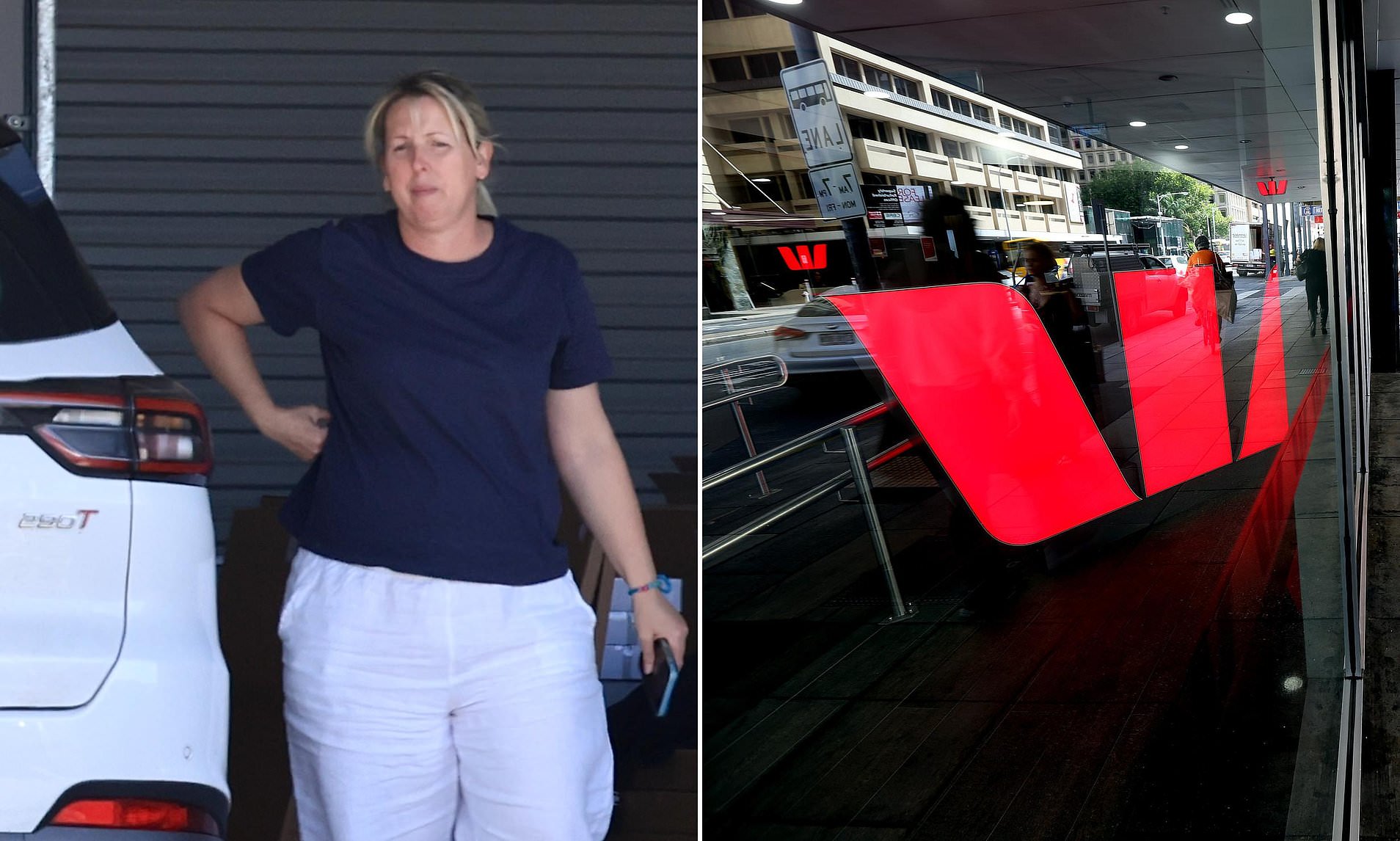
    Westpac has decided not to appeal a ruling by the Fair Work Commission that supported a Sydney mother’s request to work from home. The bank confirmed on Friday that it will not challenge the decision, which was in favor of Karlene Chandler, a long-serving employee with 23 years of service at the company. She is part of Westpac’s Sydney mortgage operations team and has been working part-time.

    This decision represents a significant moment in the national conversation about flexible work rights and offers a rare victory for working parents who are trying to balance their careers with family responsibilities.

    A Mother’s Struggle for Remote Work

    Karlene Chandler, the mother of six-year-old twins, requested in January to work from her home in Wilton, located 80 kilometers south of Sydney. Her goal was to manage school pick-ups and drop-offs more effectively. Without this arrangement, she would have faced a two-hour daily commute, as her children’s school is half an hour in the opposite direction from Westpac’s Kogarah office.

    Her self-employed partner works across Sydney and interstate, and does not have the capacity to assist with childcare. Initially, Westpac allowed her to work remotely some days but insisted she attend the Kogarah office at least two days a week. She proposed a compromise, suggesting she could work in-office days at a nearby branch in Bowral, but this offer was rejected.

    When mediation failed, the dispute escalated to the Fair Work Commission, which ruled that Westpac must grant Ms. Chandler’s request. The commission noted that she had worked from home “very successfully” for years.

    Expert Opinions on the Ruling

    Workplace law expert Andrew Stewart, a professor of work and regulation at the Queensland University of Technology, described the decision as a “wake-up call” for employers attempting to force staff back into offices. He emphasized that simply asserting the need for in-office presence is insufficient. Employers must demonstrate valid reasons for such requirements and maintain consistency in their approach.

    Stewart pointed out that sudden changes in policy, where employees were previously allowed to work from home but now required to be in the office, are difficult to justify legally.

    Westpac’s Defense of Hybrid Work Policy

    During the case, Westpac defended its hybrid work policy, which requires staff to attend corporate offices two days a week. The bank argued that this policy ensured collaboration and business performance, citing in-office practices like team huddles and training sessions as essential tools not available to remote workers.

    While acknowledging that Ms. Chandler’s role could be done remotely, the bank claimed that full-time remote work would weaken team cohesion and undermine its authority to require other staff to attend in person. It also suggested that her long commute resulted from “life choices” made without company approval.

    Commission’s Disagreement

    Commission deputy president Thomas Roberts disagreed with Westpac’s stance. He stated that there was no question that Ms. Chandler’s work could be performed completely remotely. He highlighted that she had been working remotely for several years and doing so very successfully, meeting or exceeding deadlines consistently.

    The ruling has been celebrated as a major win for working parents and a precedent for future flexible work disputes. Nicole McPherson, assistant national secretary of the Finance Sector Union, said the union is now helping more employees secure similar arrangements. She emphasized that the ruling sends a strong message to all employers: they must have genuine business grounds for refusing flexible work requests and meet every obligation under the Fair Work Act before saying no.

    Under the Fair Work Act, parents of school-aged children and workers over 55 can seek flexible arrangements. The Commission stressed that the procedural steps outlined in Section 65A are not optional. Employers must properly engage with staff, respond in writing within the required timeframe, and explain any refusal.

    Even if business grounds exist, failing to follow due process can invalidate a refusal, as Westpac discovered in this case.

    Impact on Future Workplace Dynamics

    Westpac acknowledged that certain tasks could technically be done remotely but maintained that overall team performance and cohesion were significantly better when employees had regular face-to-face interaction. It also argued that any Commission order allowing her to work remotely full-time would undermine its authority to require other workers to attend the office at least two days a week.

    Despite these arguments, the commission’s decision has sparked a broader discussion about the future of flexible work and the rights of employees to work from home. As more cases like this emerge, the landscape of workplace policies may continue to evolve, reflecting the growing demand for flexibility and fairness in the modern workforce.

  • Tax Reform Targets Investment Shifts

    Tax Reform Targets Investment Shifts

    Potential Shift in Taxation and Its Impact on the Stock Market

    The government and the ruling party have initiated serious discussions regarding the introduction of a separate taxation system for dividend income, which has drawn significant attention from investors. This potential change could reshape the stock market landscape next year. Specifically, as the possibility of reducing the maximum tax rate for separate taxation from the initial 35% to 25% increases, there is growing interest in whether this tax reform could serve as a new upward driver for the domestic stock market.

    Park Seung-young, a researcher at Hanwha Investment & Securities, stated, “If separate taxation on dividend income is implemented, dividends will shift in status from ‘unearned income’ subject to punitive high taxes to a ‘wealth-building tool’ for stable returns. In the medium to long term, this could become a catalyst for shaking up the structure of Korea’s asset market.”

    Individual investors, facing reduced tax burdens, are expected to show ‘accumulation demand,’ holding stocks longer and in greater quantities. Analysts also suggest that major shareholders may have stronger incentives to consider expanding dividends due to the tax rate cut.

    The End of Real Estate Dominance? Changes Brought by Tax Reform

    Real estate has long been Korea’s representative investment method, backed by tax benefits and asset stability, making it a rational choice. In particular, single-homeowners are exempt from taxes on capital gains up to 1.2 billion won upon sale, and rental income up to 20 million won annually is tax-free, offering several advantages over stocks.

    However, if dividend income is taxed separately without being added to comprehensive income, the real estate-dominated investment structure could crack. As tax savings and stable cash flow gain prominence, the appeal of dividend investing may grow, potentially shifting idle funds from real estate to stocks.

    Of course, even if the government accelerates tax reforms like separate taxation on dividends, their effectiveness will be limited unless major shareholders support the changes.

    Park Seung-young points out, “No matter how much the government changes the system, major shareholders will only increase dividends if they deem it beneficial. It is unrealistic to expect or demand that they expand dividends for the benefit of minority shareholders or the public.”

    The Effect of Dividend Expansion Depends on Major Shareholders’ Choices

    Ultimately, changes in the stock market landscape depend on the choices and judgments of major shareholders. So, what is the current dividend status of Kospi-listed companies?

    According to Hanwha Investment & Securities on the 10th, the total dividends of Kospi-listed companies last year amounted to 50 trillion Korean won. Among them, the six conglomerates—Samsung, SK, Hyundai Motor, LG, Lotte, and HD Hyundai—where major shareholders exert influence, accounted for 28 trillion won, or 56% of the total. Samsung Group alone contributed 13.7 trillion won, half of the total.

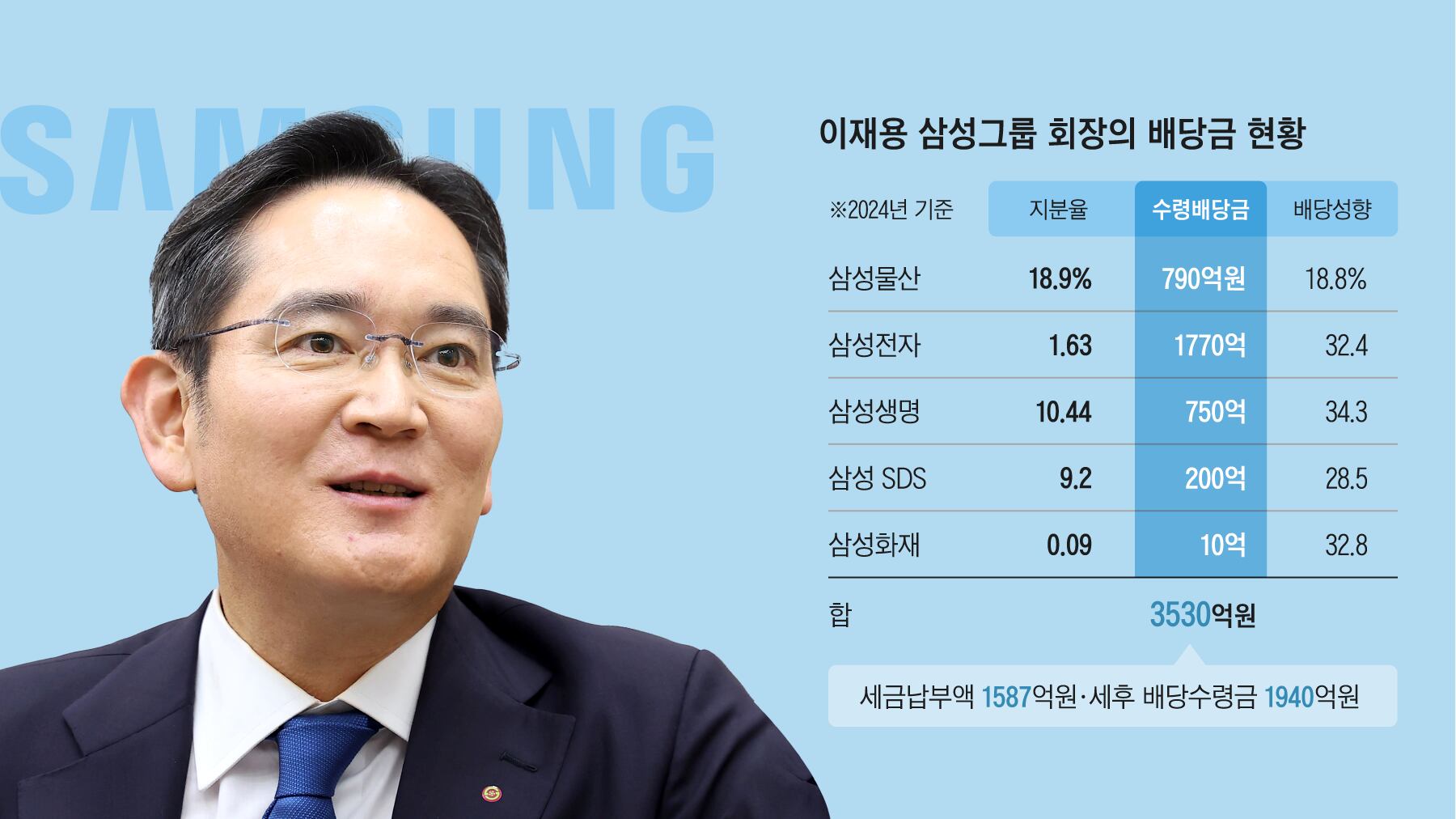
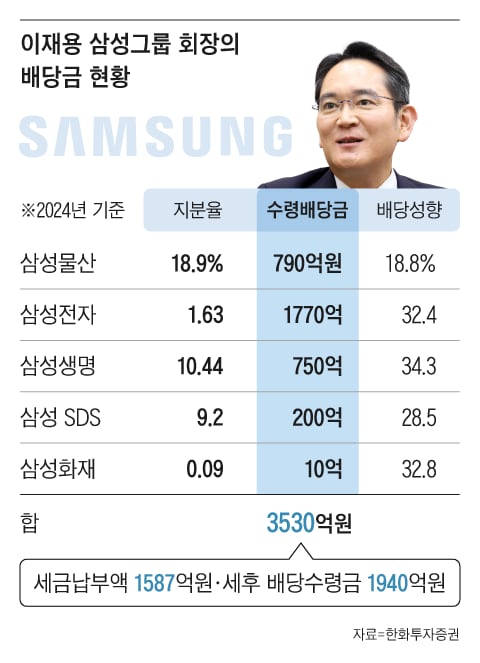
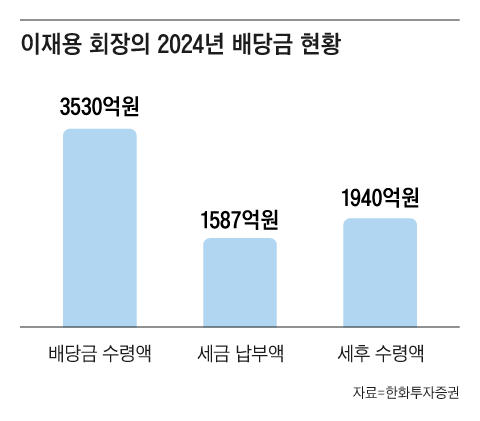
    Samsung Electronics Chairman Lee Jae-yong received a total of 353 billion won in dividends in 2024. After paying 158.7 billion won in comprehensive income tax (49.5%), his estimated net receipt was approximately 194 billion won.

    Trickle-Down Effect Possible…Can Minority Shareholders Smile Too?

    Will the government’s tax reform provide sufficient incentives for Chairman Lee to reduce his tax burden?

    Currently, the listed companies in which Chairman Lee holds shares are Samsung C&T, Samsung Electronics, Samsung Life Insurance, Samsung SDS, and Samsung Fire & Marine Insurance.

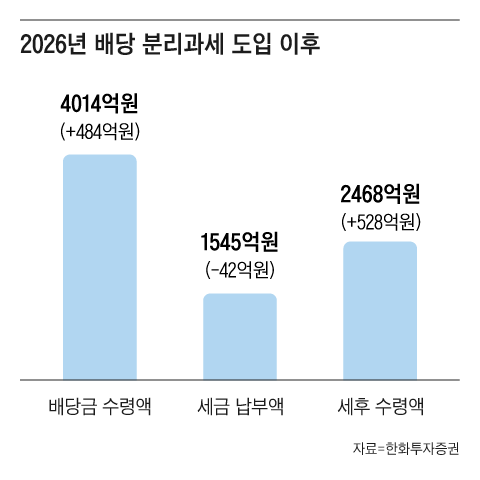
    Assuming these five companies meet the conditions for separate taxation (dividend payout ratio of 25%, average annual dividend growth rate of over 5% for three years) and Chairman Lee’s stake remains the same as in 2024, Hanwha Investment & Securities calculated that his estimated total dividends in 2027 would be 401.4 billion won.

    If the government applies the initially proposed maximum separate tax rate of 38.5%, the tax payable would be 154.5 billion won, and the net dividend receipt would be 246.8 billion won. Compared to 2024, this would reduce taxes by 4.2 billion won and increase net dividends by 52.8 billion won.

    If the maximum separate tax rate is finalized at 27.5%, lower than 38.5%, Chairman Lee’s net receipt would rise to 291 billion won, an increase of about 100 billion won from now. What decision will he make after the government’s tax reform?

    Only if major shareholders have sufficient incentives to expand dividends can the ‘trickle-down effect,’ where benefits naturally extend to minority shareholders, become a reality. The separate taxation of dividend income is expected to be a litmus test for long-term changes in Korea’s asset market structure, beyond a simple tax reform.

  • Hyun-ah, No Fainting During Macau Concert. Sorry, I’ll Boost My Stamina.

    Hyun-ah, No Fainting During Macau Concert. Sorry, I’ll Boost My Stamina.

    Apology from Hyun-ah to Fans After Fainting During Performance

    Singer Hyun-ah has publicly apologized to her fans for fainting during a recent performance. On the 10th, she shared a heartfelt message on her social media platform, expressing deep regret over the incident.

    “I’m really, really sorry. It was a short period of time after the performance, but I wanted to show you a good performance, but I don’t think I was professional and I couldn’t remember anything, so I kept thinking about this and that and I wanted to tell you,” she began.

    Hyun-ah continued to apologize repeatedly, acknowledging the disappointment she caused to the Macau fans who had traveled to see her. “Aing” would have been a stage where many Macau fans came and paid to see it, but I’m sorry, and I’m really sorry.”

    She also expressed her commitment to improving herself in the future. “I’ll continue to work hard and build more physical strength in the future. It would be great if everything was my way, but I’ll try..!! I want to say thank you for always adoring, caring, and loving me since I was very young. And I’m really fine! Don’t worry about me! May it be a good night for everyone. Good night, sir,” she added.

    Incident During ‘Water Bomb 2025 Macau’ Performance

    Earlier on the 9th, Hyun-ah collapsed unconscious while performing the hit song ‘Bubble Pop’ at the ‘Water Bomb 2025 Macau’ event held at the Macau Outdoor Performance Venue in Hong Kong. Videos captured by the audience showed her suddenly losing balance while dancing and collapsing onto the stage. Dancers rushed to assist her, and then a bodyguard carried her off the stage.

    The specific cause of her fainting remains unknown, but some speculated that it might be related to the aftermath of her recent extreme diet. A month prior, on the 4th, Hyun-ah revealed that she successfully lost 10kg after announcing her diet on the 3rd of last month. She mentioned the difficulty of changing the front seat at the end of the 50kg range and noted that she still had a long way to go. “How much have you eaten so far, Kim Hyun-ah?” she asked, revealing her weight as 49kg on the scale.

    In the past, Hyun-ah has confessed to suffering from vagus nerve fainting due to severe dieting and being underweight.

    Personal Reflections and SNS Updates

    Hyun-ah has often used her SNS to share personal reflections with her fans. Her recent post included a series of emotional messages:

    “I’m so sorry..
    Although it was a short period after the concert
    I wanted to show you a good side of me
    I don’t think it was professional
    Actually, I don’t remember anything either
    I kept thinking about this and that
    I really wanted to tell you.
    crying
    A lot of Macau fans came
    Of course, not only A-ing
    Everyone pays for it
    I think it was a performance that you came to see
    I’m sorry, and I’m really sorry.”

    She also addressed her determination to improve, asking, “Will you continue to work harder and build your physical strength? What if everything’s my way? It would be great? I’ll try.”

    Hyun-ah concluded with a heartfelt thank you to her fans, emphasizing that she is fine and urging them not to worry. “I want to say thank you for adoring, caring, and loving me since I was very young. I’m really fine! Don’t worry about me! Good night to everyone. Good night.”

    Other Notable Updates

    In addition to her apology, Hyun-ah shared updates about various other topics on her SNS. These included mentions of her husband, singer Kim Sun-young, and his efforts during chemotherapy. She also referenced news about Park Joonghoon’s health and other celebrity updates.

    Her posts often reflect a mix of personal reflections and public updates, keeping her fans engaged and informed about her life and career.

  • Bond legend reunites with estranged son

    Bond legend reunites with estranged son

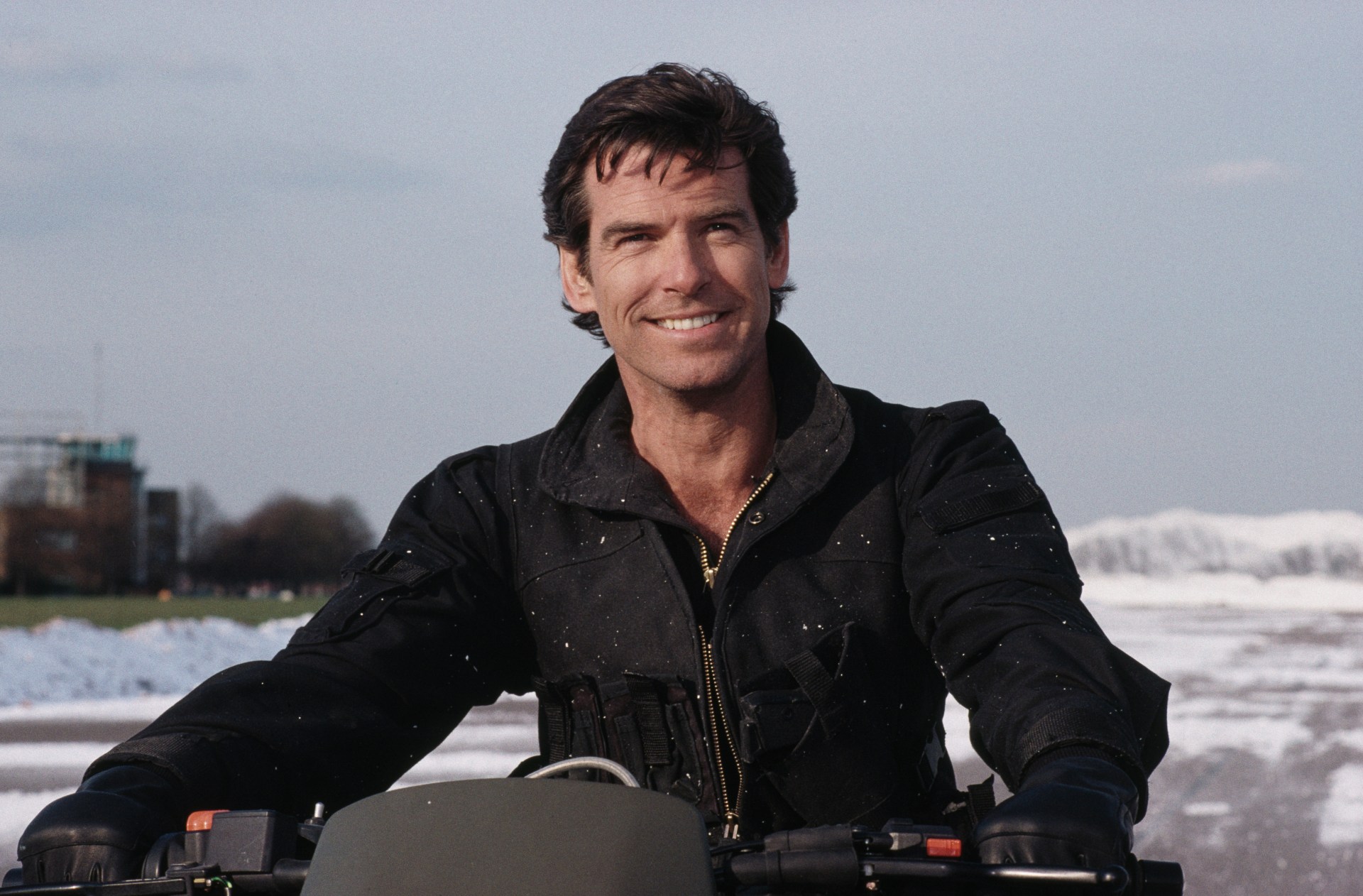
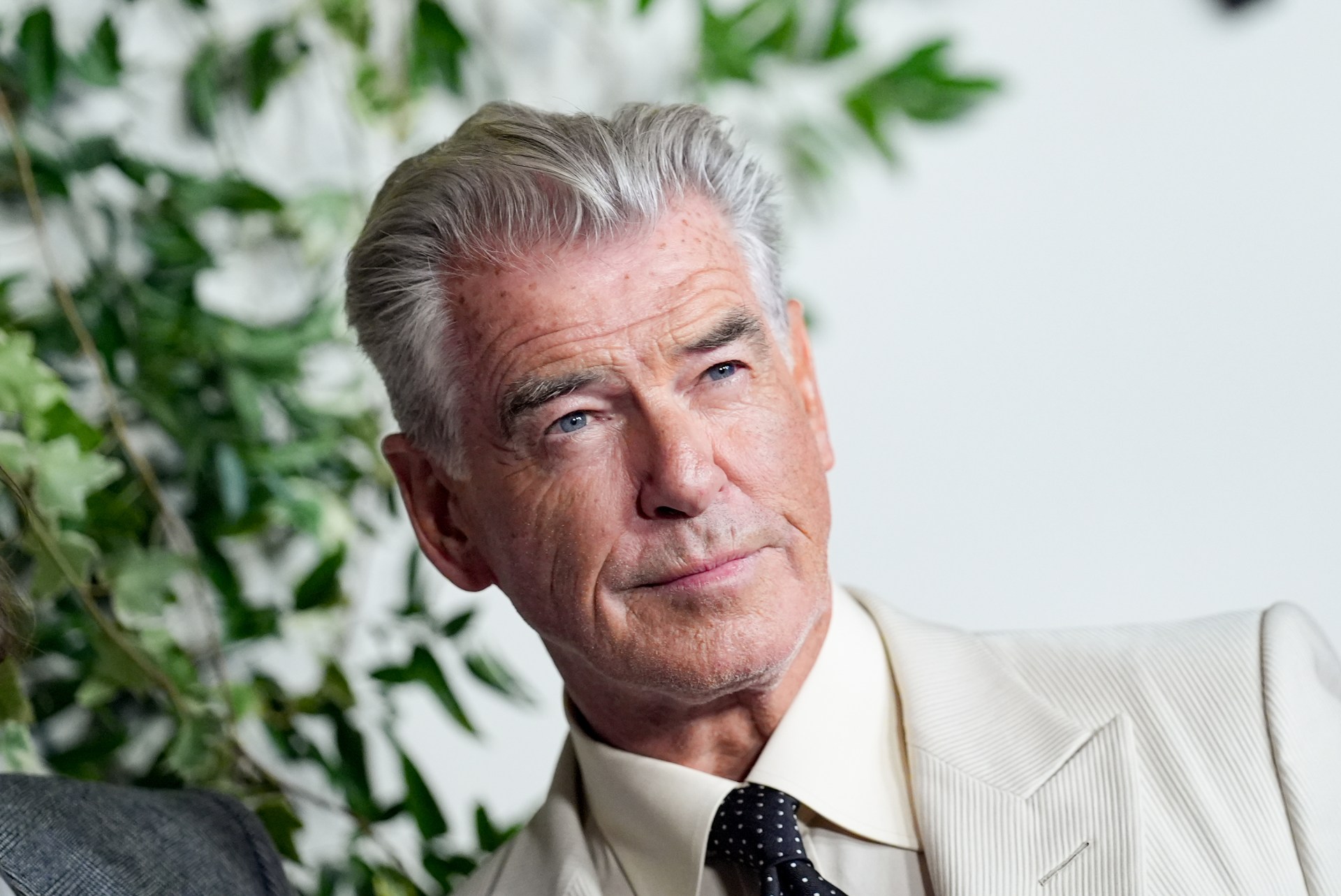
    Pierce Brosnan, the iconic James Bond actor, has reconnected with his estranged son after a 20-year separation. The 72-year-old star was seen leaving a stylish bistro in London’s Notting Hill last week alongside his 52-year-old filmmaker son, Christopher. This reunion marks a significant moment in their relationship, which had been strained for years.

    Christopher, who worked as an assistant director on two of Pierce’s James Bond films, is the biological son of Pierce’s late first wife, Australian actress Cassandra Harris, and her ex-husband Dermot. He was adopted by Pierce and his current wife, Keely Shaye, when they married. This happened after Christopher’s birth father passed away in 1986.

    Throughout his life, Christopher has faced numerous challenges. He appeared in the original series of Love Island in 2005 and struggled with addiction to cocaine and heroin. In 1997, he was jailed for three months for drink-driving after previously being fined £1,000 for the same offense. In 2002, he nearly died from a drug overdose, and in 2005, he was arrested for possession of heroin.

    His sister, Charlotte, passed away in 2013 at the age of 41 due to ovarian cancer, the same illness that claimed her mother’s life. Their family has endured many hardships over the years.

    In a 2005 interview with Playboy, Pierce spoke about the difficulties in his relationship with Christopher. He described his son as “still very lost” and acknowledged the pain of their estrangement. He said, “I can only have strong faith and believe he will recover.” Pierce also mentioned that Christopher had tested the family, especially himself, and that he knew how to get out of his situation but didn’t want to. He added, “You never completely cut them off, but I have cut Christopher off. I had to say: ‘Go. Get busy living, or get busy dying. He has my prayers.’”

    During their recent meeting, an observer told the Mirror, “They both looked happy and relaxed while sitting down with one of Brosnan’s other sons, Dylan. Pierce and Christopher’s problems have been well documented. But it seems they’ve managed to put them behind them. It was really nice to see them together.”

    Earlier this year, Pierce shared his “one regret” regarding his time as James Bond. The 72-year-old actor began his career on stage before gaining fame through the TV show Remington Steele in the 1980s. He then took on the role of 007 in the mid-1990s, starring in four films: GoldenEye, Tomorrow Never Dies, The World Is Not Enough, and Die Another Day.

    However, in September, he expressed a desire to return to his theatre roots after ending his Bond career, similar to how Daniel Craig did. “My acting teacher Christopher Fettes wanted me doing obscure 19th-century plays, but my dream was always movies,” he told The Guardian. “I was impressed that Daniel had the bottle to go back out there. I thought: ‘Why the heck didn’t I?’ You have to really want it, and I didn’t.”

    He emphasized the importance of creativity beyond Bond. “It’s essential to be creative outside of Bond,” he added.

    Got a story?

    If you’ve got a celebrity story, video, or pictures, get in touch with the footcare.co.uk entertainment team by emailing us celebtips@footcare.co.uk, calling 020 3615 2145, or visiting our Submit Stuff page – we’d love to hear from you.

    Comment now

    Comments

    Add footcareas a Preferred Source on Google

    Add as preferred source

    Want to get bespoke updates on the TV shows you love? Sign up to footcare’s TV newsletters and tell us which ones you can’t get enough of.

  • Ekiti University Chancellor Unveils Plan to End Medical Tourism

    Ekiti University Chancellor Unveils Plan to End Medical Tourism

    A Vision for Transforming Nigeria’s Healthcare System

    Chancellor of Ekiti State University, Tunji Olowolafe, has unveiled a bold and comprehensive plan aimed at revolutionizing Nigeria’s healthcare system. His vision is centered on moving beyond mere complaints about the current state of affairs and instead focusing on aggressive investment and innovation to make medical tourism “irrelevant.” This initiative was shared during a statement released in response to the Nigerian Medical Association (NMA) conference, which took place in Abuja under the theme “Reversing Medical Tourism, Africans Investing in Africa.”

    Olowolafe emphasized the urgent need to tackle the issue of capital flight, highlighting that Africa loses approximately $7 billion annually due to medical tourism, with Nigeria alone accounting for an estimated $2 billion. He described this outflow as a significant drain on confidence, capacity, and hope for the future.

    He pointed out that Nigeria possesses the talent and potential to lead globally in the medical field. The nation is home to some of the best doctors, lawyers, and engineers in the world. With focused effort, he believes the Nigerian medical industry could become one of the best in the world within the next five years.

    Key Strategies for Transformation

    To achieve this transformation, Olowolafe outlined four key strategies:

    1. Action-Driven Leadership: Emphasizing the need for decisive and effective leadership in the healthcare sector.
    2. Investment in Enterprise: Encouraging private sector involvement and large-scale investments in the medical industry.
    3. Technological Leapfrogging: Promoting the use of advanced technologies to improve healthcare delivery and outcomes.
    4. Rebuilding Public Trust: Focusing on restoring trust in local healthcare services through transparency and quality care.

    Olowolafe called on the NMA to play a pivotal role as a “convenor of data, dialogue, and delivery.” He urged the association to engage government, private sector players, the diaspora, development partners, and private equity stakeholders to drive evidence-based policymaking. To fulfill this role, he stressed that the NMA secretariat must be adequately resourced with financial and human capital, including multi-sectoral executives to ensure strong leadership.

    Government Efforts and Investor Confidence

    Olowolafe acknowledged the existing efforts by the government, such as the National Health Insurance Authority Act 2022, executive orders removing tariffs on medical machinery, and the Renewed Hope Agenda commitment to train 120,000 new health workers. These initiatives are seen as positive steps toward improving the healthcare landscape.

    Addressing concerns from investors, Olowolafe insisted that Nigeria is “bankable,” encouraging private sector participation in large-scale medical investments. He highlighted opportunities arising from the expected $30 billion in foreign direct investment in the oil and gas sector by 2030, which could help establish “proper hospitals and trauma centers” in cities like Warri and Port Harcourt.

    Training and Technological Advancement

    Olowolafe also emphasized the importance of training doctors in “capitalism” through short courses in feasibility, economic analysis, and financial management. This would complement their clinical skills and prepare them for the business side of healthcare.

    He highlighted the role of technology as a “great equalizer,” calling for a shift from being a market for medical solutions to becoming a “maker of medical breakthroughs.” He recommended integrated health ecosystems that connect doctors, laboratories, universities, and investors. Investments in digital health platforms, AI diagnostics, and blockchain-secured medical records were also suggested as essential components of this transformation.

    Investment in Local Talent and Education

    Olowolafe advocated for investing in local talent and medical education, arguing that the Nigerian educational system is “correct, appropriate, and of global standards,” despite the challenges posed by brain drain. He encouraged medical professionals to rebuild trust in local healthcare and to avoid strikes, noting that every day a strike persists, it delays care, postpones diagnosis, and erodes trust with patients.

    He urged local investment in surgeons and biomedical engineers rather than relying on foreign solutions. His conclusion was clear: “When Africans invest in Africa, and the transformation plan is executed, medical tourism will not just be reversed—it will simply become irrelevant.”

  • Covid mRNA Vaccines Enhance Cancer Immunotherapy – Study

    Covid mRNA Vaccines Enhance Cancer Immunotherapy – Study

    New Insights into the Potential of mRNA Vaccines in Cancer Treatment

    Recent research has uncovered a groundbreaking possibility that could change the approach to cancer treatment. It suggests that vaccines designed to combat the coronavirus might have an additional, unexpected benefit: helping cancer patients live longer. This discovery comes from studies conducted on mice and an analysis of medical records of cancer patients who received mRNA vaccines for COVID-19 before beginning immunotherapy.

    The findings were presented by a team of researchers from the University of Florida and the University of Texas MD Anderson Cancer Centre at the European Society for Medical Oncology Congress in Berlin. The results were also published in the peer-reviewed journal Nature. According to the researchers, these vaccines not only prevent infection but also “wake up” the immune system, prompting it to fight tumours more effectively.

    How mRNA Vaccines Work

    Unlike traditional vaccines, which use weakened or inactive parts of a virus to trigger the immune system, mRNA vaccines deliver a small strand of genetic code known as “messenger RNA” directly into the body’s cells. The cells then read this blueprint as an instruction to manufacture a spike protein that mimics that of the virus. This spike protein is displayed on the cell’s surface, acting as a red flag that alerts the immune system to build a defense.

    Once the immune system recognizes the spike protein, it creates antibodies and trains memory cells to recognize and attack the protein if it appears again. This process forms the basis of how mRNA vaccines work to protect against the virus.

    Unexpected Benefits in Cancer Patients

    Cancer researchers began noticing a positive pattern among patients undergoing immunotherapy for their cancer treatment who had also received a Covid mRNA vaccine. These patients showed better outcomes compared to those who did not receive the vaccine. Immunotherapy, which harnesses a person’s immune system to fight cancer cells, is effective in only about 20% of cases. Finding ways to boost its effectiveness has been a long-standing challenge for researchers.

    Dr. Adam Grippin, a senior resident in radiation oncology at MD Anderson Cancer Centre, explained that the COVID mRNA vaccine acts like a siren to activate the immune system. He noted, “What we found is that in patients with cancer, the immune system gets activated inside their tumour, and it gets reprogrammed to start killing their cancer.”

    Looking back at over 1000 patients treated with immunotherapy at MD Anderson, Grippin found that those who received the Covid vaccine around the time they started their immunotherapy lived significantly longer than those who did not.

    A New Hope for Cancer Patients

    The research suggests that an already-available vaccine could be the key to boosting a cancer patient’s immune-fighting power. Dr. Patrick Nana-Sinkam, Associate Vice President of Clinical and Translational Research at VCU Health, emphasized the challenges of immunotherapy, stating, “One of the challenges with immunotherapy is that only about 20-40% of people who receive immunotherapy have a meaningful response.”

    Despite the promising findings, doctors caution that the research is still preliminary. Clinical trials are necessary to confirm the link between mRNA vaccines and improved cancer outcomes. Researchers are currently seeking 500 participants for a Phase 3 clinical trial. Once this trial begins, Grippin estimates that it will take several more years before final results are available.

    Conclusion

    This new research opens up exciting possibilities for the future of cancer treatment. If further studies confirm the benefits of mRNA vaccines in enhancing the immune system’s ability to fight cancer, it could lead to significant advancements in care for patients. As the scientific community continues to explore these findings, the potential impact on cancer treatment remains a topic of great interest and hope.


  • Helicopter Crash Report Released: Details to Be Shared With Public on November 11

    Helicopter Crash Report Released: Details to Be Shared With Public on November 11

    Government to Release Details of August 6 Helicopter Crash Investigation

    Felix Kwakye Ofosu, the Minister of Government Communications, has announced that the report on the tragic helicopter crash that occurred on August 6 will be made public on November 11. This comes after the investigative team presents its findings to the National Security Council on November 10.

    The government plans to hold a media briefing to share the results and recommendations from the investigation. This step is aimed at ensuring that Ghanaians are fully informed about the causes of the incident and the measures proposed to prevent similar tragedies in the future.

    The Minister shared this information while outlining key activities for the coming week. He emphasized that the next few days would be critical for transparency and accountability. “Very important week coming up,” he stated. “Tomorrow (November 10), the report of the August 6 Helicopter tragedy investigation will be presented to the National Security Council. On Tuesday (November 11), the details of the report will be made public at a media briefing.”

    In addition to the release of the helicopter crash report, the Minister highlighted other significant events scheduled for the week. President Mahama is set to launch the ‘nkoko nkitinkiti’ project in Kumasi on Wednesday, November 12. The following day, the 2026 Budget will be read in Parliament by the Finance Minister. This budget is expected to include far-reaching policy initiatives that could shape the country’s economic direction.

    Tragic Helicopter Crash Claims Eight Lives

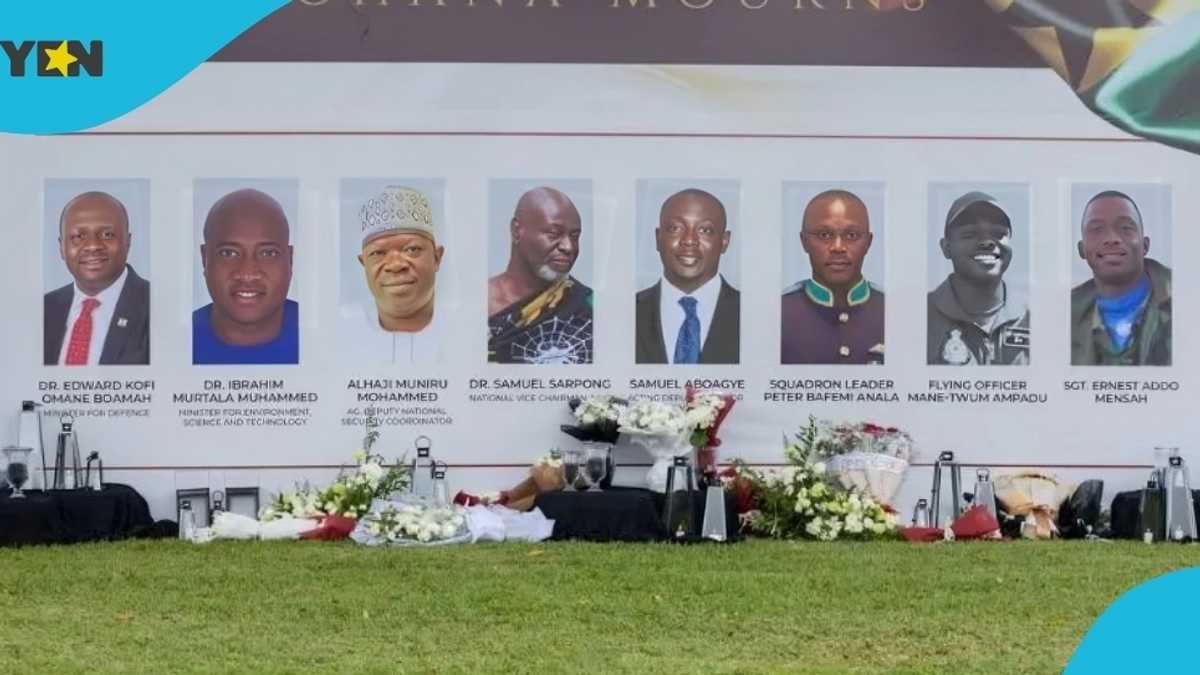
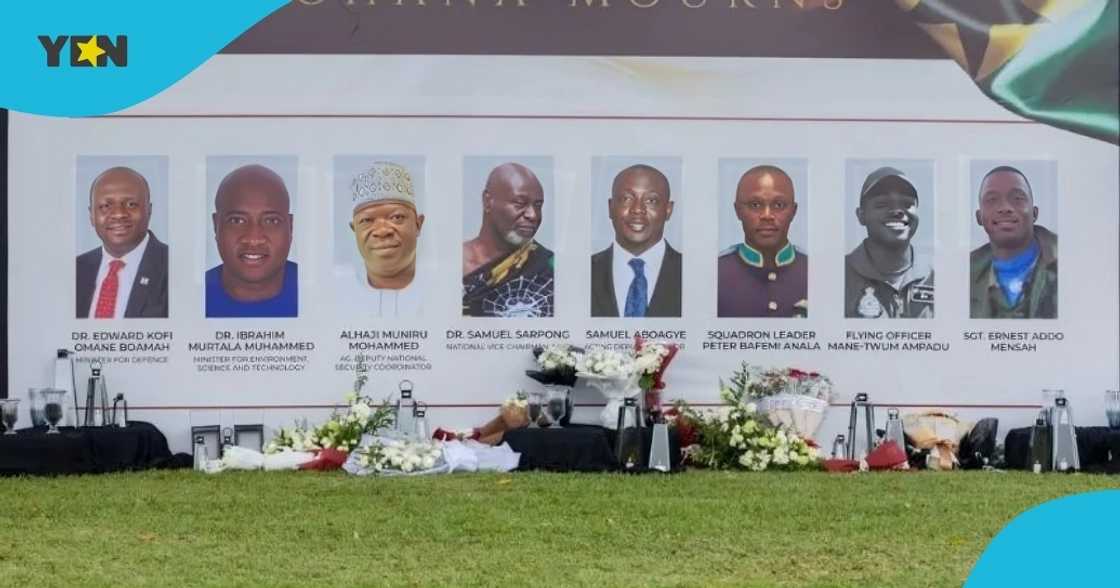
    The August 6 helicopter crash involved a Harbin Z-9EH military helicopter with the tail number GHF 631. The aircraft was operated by the Ghana Air Force and took off from Accra at around 09:12 on Wednesday, August 6, carrying eight individuals, including members of the Ghana Air Force.

    They were en route to Obuasi in the Ashanti Region for an anti-illegal-mining mission when they lost radar contact and crashed in the Adansi Akrofuom District. All eight people on board tragically lost their lives. The victims included:

    • Defence Minister Dr Edward Omane Boamah
    • Environment, Science and Technology Minister Ibrahim Murtala Muhammed
    • Acting Deputy National Security Coordinator Muniru Mohammed Limuna
    • NDC Vice-Chair Samuel Sarpong
    • Former parliamentary candidate Samuel Aboagye
    • Squadron Leader Peter Bafemi Anala
    • Flying Officer Manaen Twum Ampadu
    • Sergeant Ernest Addo Mensah

    Following the incident, an investigation was initiated. The investigative body was chaired by National Security Coordinator Abdul-Osman Razak. Representatives from the Ghana Air Force, the Ghana Civil Aviation Authority, and international advisers also contributed to the inquiry. Their findings are now being compiled and will soon be shared with the public.

  • NSDC and Taraba Govt Team Up to Boost Sugar Output

    NSDC and Taraba Govt Team Up to Boost Sugar Output

    Collaborative Efforts to Boost Sugar Production in Nigeria

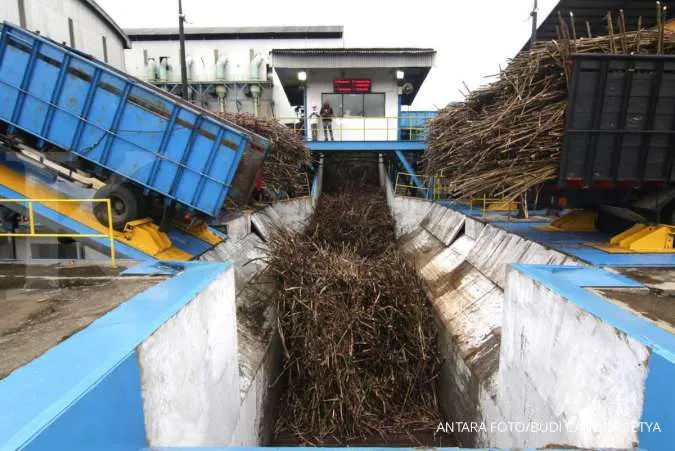
    The National Sugar Development Council (NSDC) and the Taraba state government are working together to enhance sugar production in Nigeria. This initiative is part of a broader effort to achieve self-sufficiency in sugar production, which has long been a challenge for the country.

    During a courtesy visit to Taraba state, Mr Kamar Bakrin, the Executive Secretary of NSDC, met with the Lee Group Management team. He emphasized the importance of collaboration between the state government and private investors in launching a multi-million-dollar sugar project. Bakrin highlighted that the Lee Group has taken significant steps towards establishing a large-scale sugar production site in Taraba.

    At the meeting, Bakrin informed the governor and other officials about the Lee Group’s exploration of a major sugar investment opportunity. He stated that this project is crucial for Nigeria’s goal of becoming self-sufficient in sugar production. The NSDC’s role includes developing capacity within the sector through training, extension services, and sugarcane research. Additionally, the council supports investors by providing financing, feasibility studies, and assistance with land access for sugar projects.

    Bakrin also pointed out the global significance of sugar as an economic product. He noted that sugar employs approximately 100 million people across over 120 countries. Sugar estates are often located in rural areas, contributing to local development without causing environmental degradation. In fact, sugar cultivation can have a positive impact on environmental sustainability.

    The Executive Secretary revealed that a national study conducted by the Council identified around 1.2 million hectares of land suitable for sugar development across Nigeria. Taraba state was among the most strategically positioned for such projects. He added that Taraba had met all technical and environmental criteria with flying colors, making it one of the most promising locations for sugar investment in the country.

    He further mentioned that the Lee Group, through its subsidiary GNAAL Sugar, has fulfilled the requirements of the NSDC as a credible investor. The group possesses both financial strength and technical expertise necessary for successful sugar production.

    Mr Lam Wing Ki Wilkins, the Project Director of Lee Group, also addressed the governor, expressing the group’s desire to establish a multi-million-dollar sugar project in Taraba state. He highlighted the state’s potential for agricultural and industrial growth, emphasizing that the proposed project would significantly contribute to both local and national economic objectives.

    Wilkins stated that the Lee Group is not just presenting an idea but is committed to building a lasting partnership. He explained that the investment would boost the state’s revenue base, create employment opportunities, stimulate local enterprise, and empower farming communities through an inclusive out-grower scheme.

    He also affirmed that the Lee Group has operated in Nigeria for over six decades, with a strong reputation in manufacturing, training, and agriculture. With continued support from the governor and the people of Taraba, the group is confident that this project will serve as a model for sugar development in Nigeria.

    Governor Kefas’ Commitment to Investment

    Responding to the discussions, Governor Agbu Kefas expressed his administration’s commitment to creating a conducive environment for investors interested in the agricultural and industrial sectors. He described Taraba as a gift from nature, highlighting its abundant natural resources and vast arable land suitable for agricultural ventures.

    Kefas noted that the state has overcome previous security challenges and is now peaceful and safe for both local and foreign investments. He urged investors to take advantage of the opportunities available, particularly in sugar production, which is a key focus of the state’s agricultural agenda.

    He identified Kurmi, Lau, and Ibi Local Government Areas as ideal locations for large-scale sugar cultivation and processing projects. The governor assured the visitors that the state would provide all necessary support, including suitable land, to ensure the success of the project.

    In addition, Governor Kefas called for the formation of a tripartite committee comprising state officials, the NSDC, and the investors. This committee would facilitate the progress of the project to the next stage.


  • Young Man Dies in Argentina from Severe Allergic Reaction

    Young Man Dies in Argentina from Severe Allergic Reaction

    Tragic Death of a Young British Traveler in Argentina

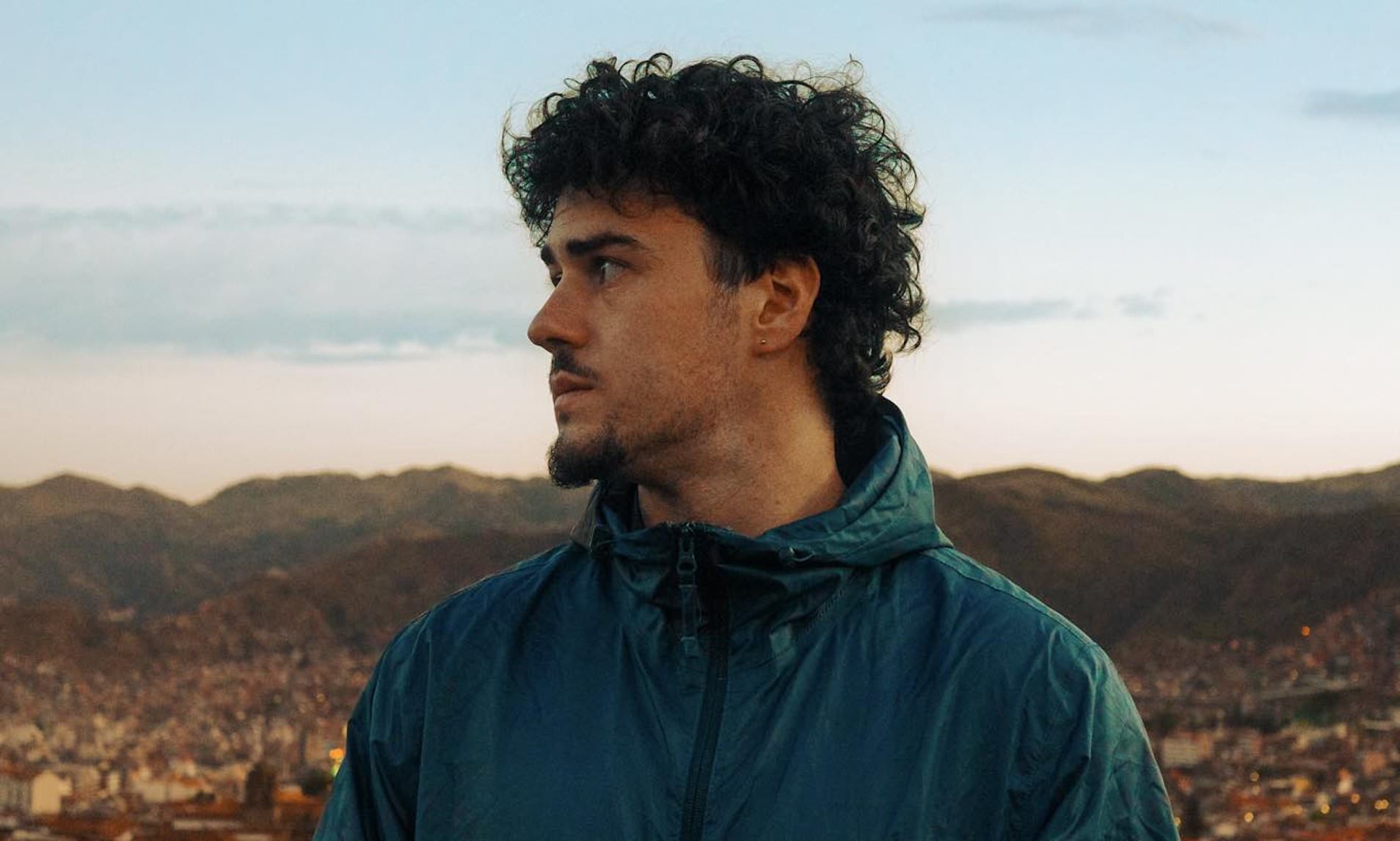
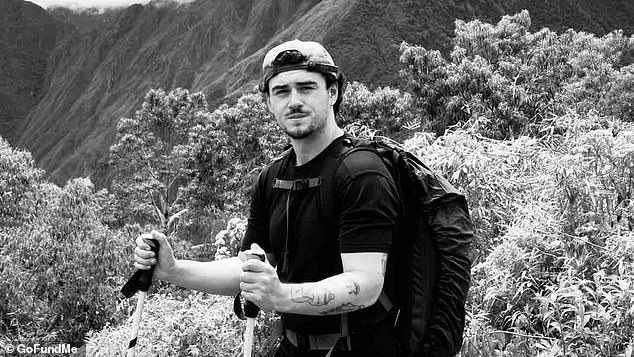
    A young British man, Harry Kitto, has tragically passed away after experiencing a severe allergic reaction while traveling in Argentina. The 24-year-old, who described himself as a barber and photographer on social media, was surrounded by his family when he passed away on Friday. His journey to South America with his girlfriend Naomi ended in a heartbreaking way after a week-long battle at a hospital in Buenos Aires.

    Harry, from Falmouth in Cornwall, had been sharing his adventures on Instagram and TikTok, posting photos from the Salkantay trek and reaching Machu Picchu in Peru. However, his trip took a tragic turn when he suffered a catastrophic allergic reaction that led to his brain death. The specific nature of the reaction has not been disclosed.

    The family has set up a GoFundMe campaign to help repatriate Harry’s body, which has already raised nearly £57,000 out of a £70,000 target. This overwhelming support has come from people around the world who have been touched by Harry’s story.

    His parents, Leigh Kitto and Kerry Burt, shared emotional tributes on Facebook following his passing. Leigh wrote: ‘Sadly our son Harry passed away in Argentina doing what he loves most.’ He also asked for people to read about Harry and his cause and expressed gratitude for any contributions, no matter how small. Kerry described feeling ‘heartbroken’ and mentioned the difficult task of bringing him home.

    A statement from Harry’s family, posted on the fundraiser, described him as ‘brave, strong, and full of love until the very end.’ It added: ‘Harry fought so hard, and we have never been prouder of him.’ The family thanked everyone for their support and mentioned that any remaining funds will be donated to the Natasha Allergy Research Foundation.

    Jay Wicks, who created the fundraiser, shared an update expressing his amazement at the kindness and generosity shown. He said: ‘Every message, share, and donation has helped lift us through the hardest days.’ He also mentioned that they are now working with a trusted funeral director in Argentina to begin the process of moving Harry’s body.


    The family is expecting updates from the funeral director early afternoon UK time. Despite the heartbreak, they have found strength in the support from people who care about Harry and their family.

    Emotional Tributes and Legacy

    Harry’s story has touched many hearts, and the impact of his passing is being felt deeply by those who knew him. His girlfriend, Naomi, has also paid heartfelt tributes, sharing her grief and memories of their time together.

    The tragedy has sparked conversations about the importance of awareness and support for those facing similar challenges. The family’s decision to donate any remaining funds to the Natasha Allergy Research Foundation highlights their commitment to making a positive impact even in the face of such a devastating loss.

    As the family continues to navigate this difficult time, the outpouring of support and love from strangers and friends alike serves as a reminder of the power of community and compassion.

    Similar Stories of Loss and Support

    Harry’s story is not unique. There are other instances where individuals have faced tragic deaths while traveling, leaving families to cope with the loss and seek support for repatriation. Each of these stories brings attention to the emotional and financial challenges families face during such times.

    For example, Georgia Harry, a 20-year-old, also faced a tragic end, and his family received significant support through a GoFundMe campaign. Similarly, the family of Aaron Keightley sought help for his final journey home, and a grieving British father paid tribute to his teenage son who passed away in Ukraine.

    These stories highlight the universal need for support and understanding during moments of profound loss. They also emphasize the importance of raising awareness about allergies and the need for better emergency response systems when traveling abroad.

    As the world continues to mourn the loss of young lives, the legacies left behind by these individuals serve as reminders of the impact they had on those around them. Their stories inspire others to support one another and to cherish every moment.