Author: boya2vi5hu

  • Return to Office? Public Sector Spends £1.3M on Remote Work Gear

    Return to Office? Public Sector Spends £1.3M on Remote Work Gear

    Rising Costs of Remote Work in the Public Sector

    Whitehall departments, quangos, and the NHS have spent nearly £1.3 million of taxpayers’ money on ‘work from home’ equipment over the past year. A recent investigation has revealed how public sector workers continue to benefit from hybrid working arrangements introduced during the pandemic, with significant sums allocated for desks, office chairs, and IT equipment.

    The findings come as Labour faces criticism for not ending the work-from-home culture in the public sector. Office attendance across all ministries has dropped from 75% in March to 72% in June, with the Cabinet Office experiencing the biggest decline. This trend is also evident in South Cambridgeshire District Council, which allows staff to work just four days a week.

    Gareth Bacon, Conservative housing spokesman, criticized the spending, stating: “It is extraordinary that taxpayers’ money is spent to facilitate working from home. At a time when productivity is plunging, taxpayers deserve better. These officials need to get back to the office and do the work for which taxpayers pay them.”


    Our analysis shows that the Department for Health and Social Care, led by Wes Streeting, awarded a £386,380 contract in January for ‘home working equipment such as monitors, keyboards, desks and chairs’. Companies House, the business records service, set aside £250,000 in May to pay couriers to deliver IT equipment and working from home items to workers’ doors.

    Other notable allocations include:

    • The Insolvency Service planning to spend £100,000 on furniture for home workers.
    • The Land Registry agreeing to spend up to £470,000 on furniture for staff at home.
    • Leicestershire County Council allocating up to £50,000 on chairs for home use.
    • United Lincolnshire Teaching Hospitals NHS Trust setting aside £33,000 for radiographers to read scans from home.

    Housing Secretary Steve Reed has ordered South Cambridgeshire District Council staff to return to a five-day workweek. Meanwhile, United Lincolnshire Teaching Hospitals NHS Trust emphasized the need for a robust digital infrastructure that supports teams working from different locations when required, ensuring resilience against external factors like extreme weather or pandemics.

    A Land Registry spokesperson stated: “Under the terms of the contract awarded, HM Land Registry has the ability to purchase equipment for home working if and when it is required.”

    A government spokesperson added: “We are building a productive and efficient civil service that provides value for the taxpayer, and we will challenge any working arrangements or spending that fail to meet that test. That is why we are already cracking down on non-essential spending, from tightening controls on government procurement cards to scrutinising all departmental contracts.”

    Ongoing Debates and Questions

    The increasing reliance on remote work raises several pressing questions:

    • Is remote work the secret to boosting productivity and job satisfaction across Whitehall, but at the taxpayers’ expense?
    • Is the government pouring millions into work-from-home luxuries while ignoring office-based efficiency?
    • Why is Whitehall’s work-from-home trend surging under Labour, despite their vows of reform?
    • Are civil servants’ work-from-home habits a major roadblock in Rachel Reeves’s fight against public sector waste and inefficiency?
    • Can Labour’s stealthy shift on work-from-home policies defy Tory rebukes and usher in a new era for civil servants?

    These questions highlight the growing tension between maintaining flexibility for public sector workers and ensuring responsible use of taxpayer funds. As the debate continues, the balance between remote work benefits and fiscal responsibility remains a key issue for policymakers and the public alike.


  • Autumn’s Hidden Threat: Wasp Surge Amid Unseasonal Warmth

    Autumn’s Hidden Threat: Wasp Surge Amid Unseasonal Warmth

    Unusual Autumn and the Rise of Wasps

    Autumn is typically a season associated with squirrels, hedgehogs, and golden leaves. However, this year, the arrival of autumn has brought an unexpected twist — a surge in wasp activity. These insects, which usually start to hibernate or die off at the end of summer, are still active due to the unusually warm weather.

    Pest control experts predict that call-outs for dealing with wasp nests will continue well into December because of the mild temperatures. Craig Morris, a pest and wildlife management service provider in Hampshire, has noticed a significant increase in his workload related to wasps over the past few years. He reported that his autumnal wasp workload has doubled compared to just three years ago.

    Morris shared with The Mail on Sunday: “This year has been a very busy year for wasps because the weather has been so mild. These warmer winters mean the queens are surviving in larger numbers than usual.”

    He added: “It’s all very weather dependent. Last year, spring was very wet, so many nests were destroyed by the rain. This year we had such a good spring, the wasps got busy straight away, and this summer was my busiest period in 17 years.”

    Currently handling five or six wasp call-outs a week, Morris noted: “Wasp numbers have been extraordinary all around the country. And because we are not having the frosts we used to have in late autumn, more wasps are surviving. I expect I’ll be dealing with nests right into December.”

    Queens, which typically fly away from the nest to hibernate in September, are often mistaken for hornets due to their size. The increase in the number of queens surviving the winter is expected to lead to more nests and even higher wasp numbers next year.

    Following the warmest and sunniest recorded spring, this summer was also the hottest on record for the UK, according to the Met Office. This period heralded a “wasp boom” — an increase in both the size and number of colonies compared to previous years.

    While the increased presence of wasps might cause annoyance, these pollinators play a positive role in the UK’s ecosystem. Wasps act as natural pest control by preying on insects like caterpillars and aphids, which can damage crops.

    The Impact of Climate Change on Wasp Populations

    The changing climate has had a noticeable effect on wasp behavior and population dynamics. Warmer temperatures have allowed queen wasps to survive longer, leading to larger and more numerous colonies. This trend is likely to continue as global temperatures rise.

    Experts warn that the growing wasp population could lead to more frequent encounters with humans, especially during the late autumn months. With the absence of frost, wasps are no longer being naturally culled, allowing them to thrive.

    The following questions highlight the concerns surrounding this phenomenon:

    • Could the UK be swarming with angry wasps this summer as nests grow to space hopper size?
    • Has soaring UK temperatures turned wasps wild, causing a ‘perfect swarm’ epidemic this summer?
    • Has the recent oppressive heat sparked a ‘population explosion’ of wasps leading to jumbo nests across Britain?
    • Why has Britain been invaded by swarms of wasps amidst this blazing summer heat?
    • With wasps attacking earlier this year, are we facing a ‘perfect swarm’? Get the lowdown on this unusual phenomenon!

    As the weather continues to shift, it’s clear that wasps are becoming a more prominent feature of the British landscape. Their increased numbers and activity levels are a direct result of environmental changes, and their impact on both ecosystems and human interactions is something that warrants further attention.

  • US Airlines Halt 1,300 Flights for Second Consecutive Day

    US Airlines Halt 1,300 Flights for Second Consecutive Day

    Flights at 40 major airports were canceled as the US government shutdown fuels staffing shortages among air traffic controllers and baggage handlers.

    Tens of thousands of airline passengers faced disruption across the United States on Saturday as airlines grounded more than 1,300 flights for a second day. The cancellations were ordered by the Federal Aviation Administration (FAA) as part of a mandate to cut air traffic because of the US government shutdown, which began on October 1.

    What do we know about the cancellations?

    The FAA began cutting flights on Friday, ordering a 4% reduction at 40 major airports across the country. By Saturday, more than 1,300 flights had been canceled, and over 5,000 were delayed nationwide, according to Reuters news agency.

    Charlotte Douglas International Airport in North Carolina saw the highest number of cancellations, with 130 flights grounded by mid-afternoon. Other major hubs—including Atlanta, the busiest airport in the US, as well as Chicago, Denver, and Newark—also experienced delays and cancellations.

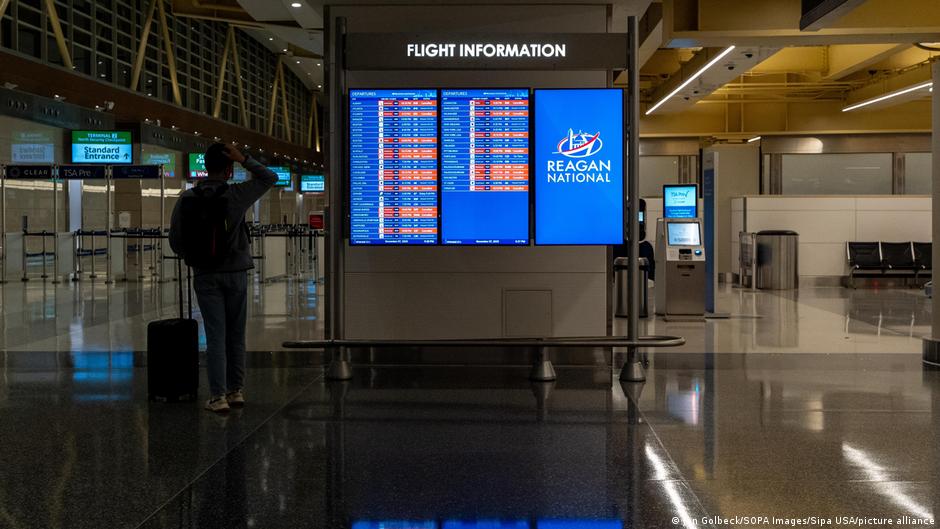
    Reagan National Airport in Washington, DC, was hit especially hard on Friday, with 18% of its arrivals canceled, reported NBC News. Officials warned that even if the shutdown ends, air traffic operations won’t return to normal immediately.

    Why is the US government shutdown affecting flights?

    Over the past 39 days of shutdown, some federal employees have been temporarily furloughed, while others remain on the job without pay. Air traffic controllers and many airport security screeners are federal employees, which is why the aviation sector has been hit especially hard, due to ongoing staffing shortages in radar centers and control towers at airports.

    Many staff are working without pay, some are calling in sick, while others are taking second jobs to cover basic expenses after going more than a month without a paycheck. Officials say between 20% and 40% of workers are not showing up on any given day.

    In total, about 13,000 air traffic controllers and 50,000 airport screeners are still reporting to work without pay. Many were recently told they won’t receive another paycheck next week. Despite the financial strain, the National Air Traffic Controllers Association said most controllers are continuing to work six days a week to keep flights moving.

    Will the cancellations get worse?

    The FAA has warned that flight cuts will increase to 6% on Tuesday, 8% on Thursday, and 10% by Friday at major airports, depending on staffing levels. US Transportation Secretary Sean Duffy said even deeper cuts may be needed. If more air traffic controllers call in sick or stop reporting to work, the FAA could reduce up to 20% of flights nationwide.

    While many passengers have been able to rebook so far, experts say the situation could worsen quickly. The Thanksgiving travel rush begins in less than three weeks, and even small disruptions could snowball into major delays and cancellations.

    What’s the latest on the US government shutdown?

    US President Donald Trump’s administration is urging Congress to pass a funding bill to reopen the government. Democrats say Republicans are responsible for the shutdown because they refuse to negotiate over extending health insurance subsidies.

    But the impact of the record-breaking government shutdown may stretch far beyond airports. Nearly half of US air cargo is shipped in the bellies of passenger planes. If flight cancellations continue, shipping costs could rise and affect prices in stores.

  • ICE agents shot in Chicago drive-by as threats escalate

    ICE agents shot in Chicago drive-by as threats escalate

    Border Patrol Agents Targeted in Chicago During Immigration Enforcement Operation

    Border Patrol agents were subjected to a shooting incident during a routine immigration enforcement operation in Chicago. According to a statement from the Department of Homeland Security (DHS), the event occurred near 26th Street and Kedzie Avenue in the city’s Little Village neighborhood, which is predominantly Mexican-American.

    The incident involved an unidentified male driving a black Jeep who fired shots at the agents before fleeing the scene. The DHS post on X described the situation as “a dynamic situation” and noted that the suspect and vehicle remained at large.

    In addition to the shooting, the agency reported that an unknown number of agitators threw objects at Border Patrol vehicles. These included a paint can and bricks, with other protesters reportedly hurling additional items such as another brick and a second paint can. The violence was part of a larger disturbance that took place in the area.

    Escalation of Violence and Protests

    The incident has been described by the DHS as part of a growing trend of violence and obstruction targeting federal law enforcement. The agency stated that over the past two months, there has been an increase in assaults and confrontations involving law enforcement during operations. This reflects the dangers faced by agents on a daily basis and the rising aggression toward them.

    Protesters also targeted ICE patrol vehicles during the incident, throwing paint cans and bricks before Chicago police arrived to clear the scene. The DHS emphasized that this event is not isolated and called for an end to the escalating violence.

    Use of Tear Gas and Crowd Control Measures

    Crowds gathered at the scene were warned that tear gas would be deployed, but the agents ultimately decided against using it. Despite the warnings, the situation remained tense and chaotic.

    At around 9:45 am, there were reports of a Chicago police officer being struck by a car while conducting traffic duties. The officer was hit by a GMC pickup truck driven by a 20-year-old woman. The officer sustained minor injuries and was taken to a local hospital, where he is in good condition.

    Ongoing Investigation and Public Concerns

    The shooter and the vehicle remain at large, and authorities are continuing their investigation into the incident. The DHS has urged the public to remain vigilant and cooperate with law enforcement.

    This event has sparked widespread concern and discussion about the safety of law enforcement officers and the increasing frequency of violent encounters during immigration enforcement operations. The use of tear gas and other crowd control measures has raised questions about how protests are managed in such situations.

    Public Reaction and Media Coverage

    The incident has generated significant public interest and media coverage, with many questioning the circumstances surrounding the events in Chicago. Some have raised concerns about the actions of Border Patrol agents and the use of force during immigration-related operations.

    There have also been discussions about the broader implications of these incidents, including the impact on community relations and the effectiveness of law enforcement strategies during protests. As the investigation continues, more information is expected to emerge regarding the details of the shooting and the individuals involved.


  • “Tragedy Strikes: Truck Kills 3 Students in Lagos, Viral Video Emerges

    “Tragedy Strikes: Truck Kills 3 Students in Lagos, Viral Video Emerges

    Lagos, Nigeria – A devastating accident in Ikorodu, Lagos, has resulted in the loss of three students from Lagos State University of Science and Technology (LASUSTECH) after a sand-laden truck lost control due to brake failure.

    According to the Lagos State Traffic Management Authority (LASTMA), the fatal incident occurred around Powerline Junction, inward Ikorodu Roundabout.

    The sand-laden truck reportedly collided with several vehicles, causing injuries to seven others. LASTMA spokesperson, Adebayo Taofiq, confirmed the incident in a statement, explaining that the truck was traveling at high speed before it lost control and crashed into multiple vehicles and tricycles along the busy corridor.

    “In an incident of profound tragedy that cast a pall of grief over the Ikorodu metropolis, three promising students of the Lagos State University of Science and Technology, Ikorodu — two males and one female — lost their lives instantaneously in a fatal multiple-vehicle collision,” Taofiq said.

    He added that seven others, including tricycle operators, sustained serious injuries in the horrifying crash. The vehicles involved included a sand-laden tipper (unregistered), a Toyota Corolla (SMK 42 AJ), an MPV bus, and four tricycles.

    LASTMA stated that preliminary investigations by traffic operatives revealed that the truck’s excessive speed and mechanical brake failure caused the driver to lose control, leading to the deadly crash.

    Emergency responders from LASTMA, the Federal Road Safety Corps (FRSC), and the Nigeria Police were quickly mobilized to the scene. Taofiq mentioned that the injured victims were rushed to nearby hospitals, while the remains of the deceased students were deposited at the Ikorodu General Hospital mortuary.

    “Together, they swiftly conveyed seven critically injured victims to nearby medical facilities for urgent treatment, while the three deceased casualties were evacuated and deposited at the General Hospital, Ikorodu mortuary,” the statement read.

    LASTMA also confirmed that the wrecked vehicles had been removed to restore free vehicular movement in the area.

    The crash was “avoidable”, says LASTMA GM

    Reacting to the tragedy, the General Manager of LASTMA, Olalekan Bakare-Oki, expressed sadness over the deaths, describing the crash as “avoidable.”

    Bakare-Oki urged truck operators and commercial drivers to maintain their vehicles and avoid overspeeding.

    “This tragedy is avoidable. Overspeeding, poor vehicle maintenance, and defective braking systems continue to cause, on Lagos roads,” he lamented.

    Fatal accident claims 6 lives in Lagos

    Earlier reports indicated that a fatal accident occurred along the Lekki–Epe Expressway in Lagos state on Monday, September 1, 2025. The road crash led to the death of 6 people, and nine others were seriously injured in the tragic incident.

    The general manager of LASTMA, Mr Olalekan Bakare-Oki, provided more details about the tragic incident.

  • Morocco Seizes Strategic Advantage in Sahara Dispute, Says Spanish Institute

    Morocco Seizes Strategic Advantage in Sahara Dispute, Says Spanish Institute

    Strategic Shifts in the Western Sahara Conflict

    The Elcano Royal Institute, a prominent think tank based in Spain, has released a comprehensive report analyzing the current state of the Western Sahara conflict. The report highlights a significant shift in power dynamics, suggesting that “all the cards are now in Morocco’s hands” following recent developments at the United Nations Security Council.

    This assessment comes as the conflict reaches its 50th anniversary, marking five decades of tension and unresolved disputes over the territory’s future. The institute, which is honorarily chaired by King Felipe VI and supported by various Spanish ministries and institutions, emphasizes that Resolution 2797 represents a pivotal moment in the history of the conflict. It essentially marks the end of the peace process initiated in 1991 with a proposed referendum on self-determination.

    Military Dominance and Control

    Morocco has consolidated its control over most of the Western Sahara region, maintaining authority over approximately 80% of the area’s 266,000 square kilometers since 1991. This military dominance, backed by support from the United States, has allowed Morocco to control what is known as the “useful Sahara.” The country has successfully thwarted multiple attempts by the Polisario Front to alter the balance of power, particularly after the liberation of the Guerguerat crossing in November 2020.

    The report underscores that the Polisario Front, which seeks independence for the Sahrawi people, has been left in a vulnerable position. Its inability to address the growing frustrations of the local population has further weakened its standing in the region.

    Political and Diplomatic Advancements

    On the political and diplomatic front, Morocco is described as “steadily advancing.” The report notes major investment efforts in the region, which have bolstered Morocco’s influence. In contrast, the Polisario leadership remains economically weak and politically marginalized, struggling to gain traction among the Sahrawi population.

    The alignment of several key international players, including the United States, France, Spain, the United Kingdom, and Germany, with Morocco’s sovereignty stance has also played a crucial role. This alignment has become more pronounced since former U.S. President Donald Trump recognized Western Sahara as Moroccan territory in December 2020.

    A Changing International Landscape

    The report highlights the diminishing support for the self-proclaimed “Sahrawi Arab Democratic Republic,” which is now recognized by only 47 countries, down from 84 previously. Morocco has not only prevented the 1991 referendum but has also imposed a new framework centered on autonomy as the most realistic path to resolving the conflict.

    In 2000, former UN Secretary-General Kofi Annan acknowledged that the process of identifying eligible Sahrawi voters and implementing the settlement plan had reached a deadlock since the end of 1995. This historical context underscores the challenges faced by the international community in finding a resolution to the conflict.

    Algeria’s Evolving Stance

    Algeria’s absence from the recent Security Council vote reflects its growing fatigue with defending a cause that no longer yields benefits. The report notes that Russia, China, and Pakistan abstained from the vote, signaling their indifference to the fate of the Sahrawi people.

    While Resolution 2797 does not explicitly rule out self-determination, the institute concludes that holding a genuine referendum, which was already nearly impossible, has now become closer to a miracle. This suggests that the path to a peaceful resolution of the conflict may be increasingly difficult to navigate.

    Conclusion

    The Elcano Royal Institute’s report paints a clear picture of the shifting dynamics in the Western Sahara conflict. With Morocco gaining strategic advantages and international support, the future of the region remains uncertain. As the conflict continues to evolve, the need for a comprehensive and sustainable solution becomes more pressing than ever.

  • 80-Year-Old Florida Supermarket Giant Closes All Stores Suddenlly

    The Closure of an Iconic Florida Grocery Chain

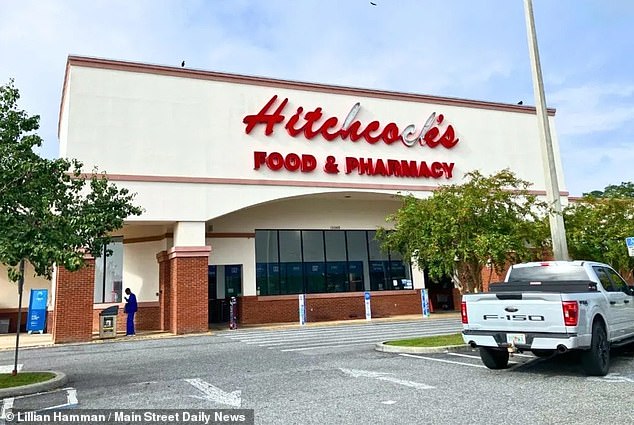
    Hitchcock’s Market, a beloved North Florida grocery chain that operated for 80 years, has officially closed its doors. This closure marks the end of an era for many communities and employees who had relied on the store for decades.

    The family-run grocer once employed over 800 people and generated approximately $150 million annually. However, the chain’s final ten stores, spread across small towns in North Central Florida, were sold to larger competitors such as Winn-Dixie and Bravo. Alan Hitchcock, the son of one of the store’s co-founders, expressed mixed feelings about the closure. While he admitted it was sad to see the name disappear, he also said it was a relief due to differences in philosophy and management styles.

    At its peak, Hitchcock’s was renowned for its meat counter and dedication to local sourcing. However, in recent years, customer satisfaction declined. One Reddit user described it as “the nastiest grocery store I’ve ever had to endure.” For some small towns, Hitchcock’s was the only local grocer, making its loss particularly painful. Several stores were the sole providers of fresh food in their communities.

    Impact on Employees and Customers

    Employees are now in a state of uncertainty as the new owners begin renovations. Dylan Saley, an employee at the Keystone Heights location, shared his concerns with local ABC affiliate WCJB. He mentioned that while there was talk of keeping jobs, it was unclear if that would happen. “We might have to reapply, but I’m just going to keep looking around and see if there’s anything else,” he said.

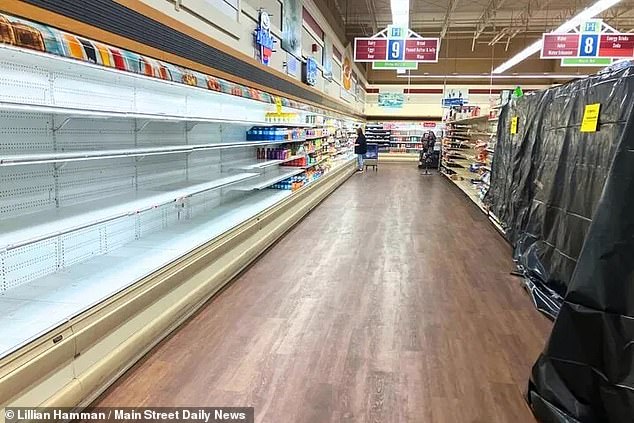
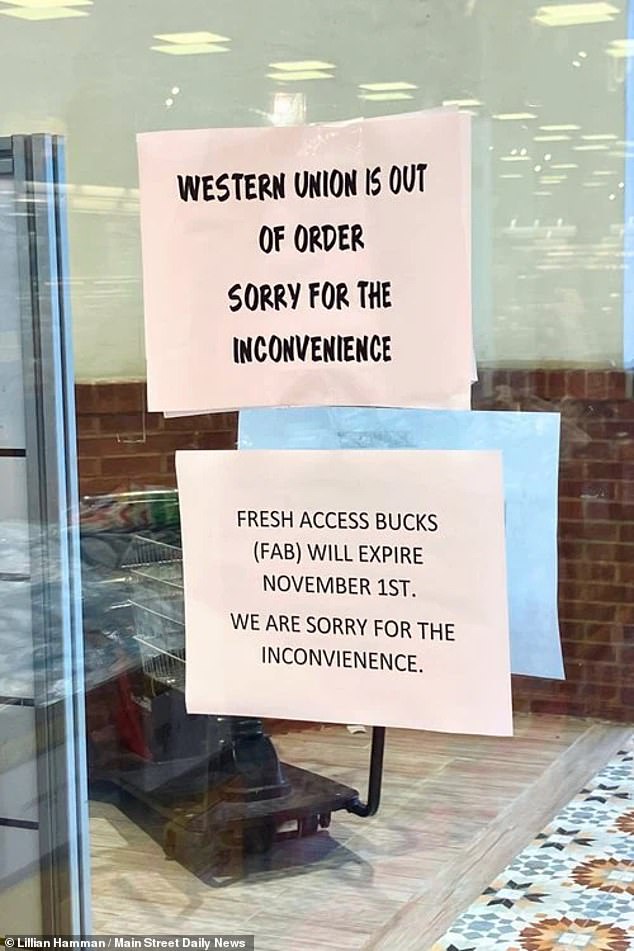
    Managers told Mainstreet Daily News that vendors had already started pulling back before the closure, especially after the company’s former owner passed away last year. Some companies stopped deliveries altogether due to missed payments. By the time liquidation sales began, with steep 30 percent markdowns, even well-known products like Coca-Cola disappeared quickly and were never restocked.

    A former manager revealed that executives were not transparent about plans to sell the brand. “In small grocery chains, information travels fast,” they said. “Everybody kind of started putting their plan together to try to purchase.”

    Challenges Facing Small Grocery Stores

    Small grocery stores across America are facing similar challenges. Persistent food inflation, the rise of online competitors, and supply chain issues have led to empty shelves and declining sales. Rural stores have been hit particularly hard, with an estimated 2,700 closures this year.

    This trend has affected major players in the industry. Kroger, one of the largest grocery chains in the nation, announced plans to close 60 underperforming stores and lay off 1,000 employees in August. Albertson-owned Safeway also announced the closure of multiple rural locations. Even Amazon has had to shutter some of its grocery stores.


    Broader Implications

    The closure of Hitchcock’s Market raises questions about the future of small-town grocery stores. With thousands of retailers closing nationwide, the trend suggests a worrying shift in the retail landscape. Will this be the beginning of a broader industry shakeup? How will these closures impact local communities?

    As larger chains continue to consolidate, the survival of smaller, family-owned businesses becomes increasingly uncertain. The story of Hitchcock’s Market serves as a reminder of the challenges faced by independent grocers in a rapidly changing market.


  • Squeaky Trainers Spark Legal Battles Among Frustrated Customers

    Squeaky Trainers Spark Legal Battles Among Frustrated Customers

    The Squeaky Shoe Controversy: A Growing Issue for On

    On, a Swiss sportswear brand known for its high-end trainers, is facing a growing backlash from customers who are frustrated by the squeaking issue in their shoes. This problem has led some unhappy buyers to take legal action against the company, claiming that the noise makes the shoes “unwearable.”

    Customer Complaints and Social Media Outcry

    Dozens of customers have taken to Trustpilot to voice their frustrations, with many stating that the squeaking made their shoes unsuitable for daily use. Some even shared their experiences on social media platforms like TikTok, where one video about the issue received over 30,000 views.

    In Oregon, USA, a group of dissatisfied customers has taken the matter further by filing a class-action lawsuit. They claim that the squeaks caused by the shoes are not only noisy but also embarrassing. According to the plaintiffs, no reasonable consumer would purchase such expensive shoes if they knew that each step would create an audible sound.

    The lawsuit also accuses On of deceptive marketing practices, as many customers found it difficult to return the products after raising complaints.

    Warranty Issues and Customer Frustration

    Kevin, a customer who purchased £250 walking boots, reported that his shoes were “squeaking like crazy” and became “unwearable” within just a few months. He attempted to claim under the warranty, but his request was denied shortly after submission. A company representative stated that his application had gone through all steps of their evaluation process, but it was still rejected.

    Kevin claimed that the company’s investigation did not involve reviewing photos or videos of the shoes, suggesting that the squeaking might be considered a normal feature. Another customer, Perminder Kaur, described her and her husband’s On trainers as “very squeaky,” adding that “you can hear us coming, miles off.”

    A client representative responded to her review by stating that squeaking was not classified as a product defect under the warranty. However, an insider revealed that the company usually exchanges footwear that becomes squeaky. Other factors, such as improper usage conditions, may also contribute to the issue.

    The CloudTec System and Possible Solutions

    The root of the problem appears to be the firm’s CloudTec system, designed for enhanced comfort during running. Some users believe that the squeaking begins after walking or running in rainy weather, as moisture enters the holes and causes the foam to rub against itself with every movement.

    Online forums like Reddit have seen various solutions proposed by users. One suggested using sandpaper between the holes, while another recommended applying coconut oil as a lubricant. Others advised using baby powder or sanding the holes down with a nail file.

    Industry-Wide Issue or Brand-Specific?

    A source close to the company told The Times that while On’s shoes may squeak, especially after being used in certain weather conditions, this issue is not unique to the brand. Nike, for instance, has a dedicated page offering advice to customers on how to deal with squeaky trainers.

    Despite the complaints, On is understood to have sold 30 million trainers annually, and some insiders suggest that these issues should be viewed in perspective. The Daily Mail has reached out to On for further comment.


    Broader Trends in the Sneaker Market

    The controversy surrounding On’s squeaky shoes highlights broader trends in the sneaker market, where consumers are increasingly vocal about product quality and performance. From TikTok exposés to viral scandals, the public’s expectations for footwear are evolving rapidly.

    Other brands are also facing scrutiny. For example, there have been discussions about the appeal of ON’s radical running shoes, which feature cloud-inspired soles. Meanwhile, other brands like JD Sports, Nike, Adidas, and Saucony are also navigating challenges related to design, functionality, and consumer satisfaction.

    As the market continues to shift, brands must balance innovation with practicality to meet the demands of discerning shoppers.

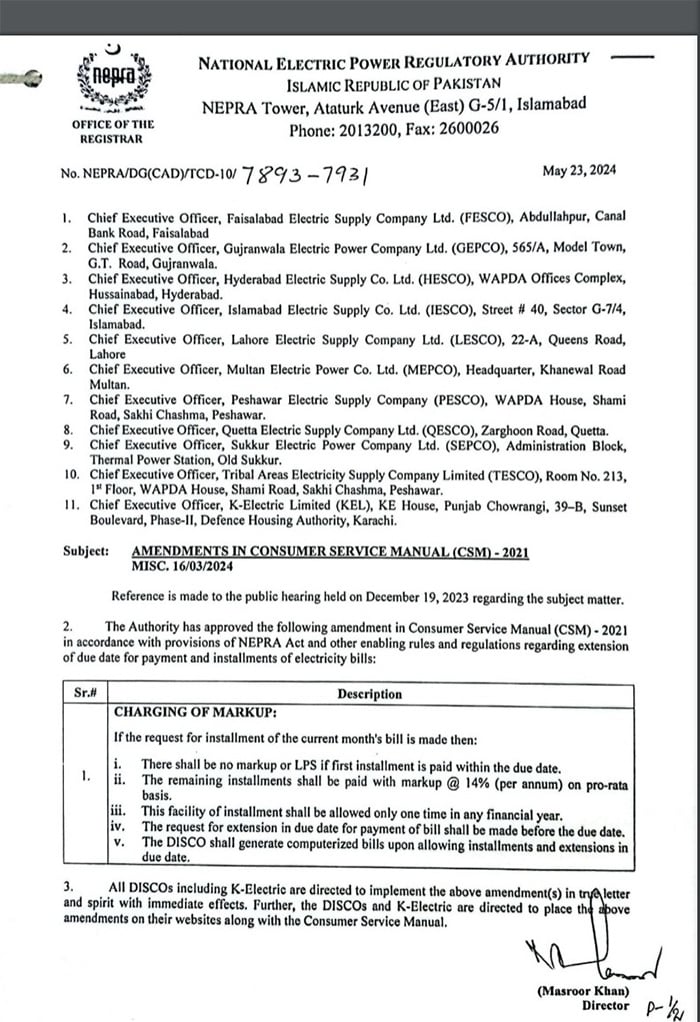
  • Rising Capacity Payments Raise Concerns as Nepra Acknowledges High Losses and Weak Recoveries

    Rising Capacity Payments Raise Concerns as Nepra Acknowledges High Losses and Weak Recoveries

    Rising Capacity Payments and Circular Debt Concerns

    The National Electric Power Regulatory Authority (NEPRA) has expressed concerns over the persistent rise in capacity payments, which it believes will continue as long as losses remain high and recoveries weak. This issue was highlighted during a public hearing where industrial consumers voiced their worries about the surge in circular debt. They dismissed the government’s claims of effectively managing this debt and reducing tariffs through revised agreements with independent power producers (IPPs).

    During the hearing, NEPRA considered a petition from former Wapda power distribution companies (Discos) seeking approval to recover Rs8.4 billion from consumers for the first quarter of FY2025-26. The regulator acknowledged that some tariff relief had been included due to revisions in IPP agreements. However, it emphasized that rising capacity payments remain a significant concern. Member NEPRA Rafiq Shaikh stated that circular debt would persist unless losses are reduced and recoveries improved.

    Industrial representatives showed frustration over the increasing costs and criticized the government’s energy policies. They argued that decisions made in Islamabad’s air-conditioned rooms do not reflect the realities on the ground. The sector also criticized the government’s incremental package, claiming it is ineffective and warning that circular debt is once again spiraling despite previous promises to contain it. Tanveer Bari, a representative, said that despite revisions in IPP agreements, capacity payments are rising again, indicating that no real changes have occurred. He urged NEPRA to reject the proposed tariff hike.

    Rehan Jawed, an intervenor from Karachi, criticized the government’s incremental package for industrial and agricultural power use. He pointed out that if the package offers Rs22.90 per unit, it is essentially meaningless. He suggested that the rate should be reduced to Rs16 per unit to encourage consumption and growth. Industries continue to bear a Rs160 billion cross-subsidy burden for other consumers, he added.

    Regional Consumption Trends

    During the hearing, Discos reported mixed consumption trends across different regions. FESCO saw a 6.8 percent increase in overall power consumption, including a 28 percent surge in industrial use. GEPCO recorded a 1.5 percent increase, with 11 percent growth in industrial demand and 3 percent in commercial demand. HESCO’s consumption rose by 4.5 percent, while LESCO’s increased by 4.4 percent. In contrast, MEPCO experienced a 5.3 percent decline compared to the reference period, and QESCO reported a year-on-year drop. HEZCO also saw an increase in industrial and commercial demand.

    In their petition, Discos sought Rs21.7 billion in capacity charges, partly offset by negative adjustments worth Rs13.3 billion resulting from savings in operations, system use charges, and lower transmission losses. LESCO posted the highest capacity charge of Rs8.45 billion, followed by MEPCO (Rs4.35 billion), GEPCO (Rs4.23 billion), and FESCO (Rs2.34 billion). HESCO reported the largest negative adjustment of Rs3.21 billion.

    Regulatory Response and Next Steps

    The absence of the Power Division from the hearing drew criticism from NEPRA, prompting the regulator to decide to issue a letter of displeasure. The authority will announce its final decision after reviewing the data submitted by Discos.


  • PTI Defectors Seek Reconciliation with Establishment

    PTI Defectors Seek Reconciliation with Establishment

    Rising Tensions Within the PTI

    The political landscape in Pakistan is witnessing a significant shift as dissident members of the Pakistan Tehreek-e-Insaf (PTI) continue to push for reconciliation with the current leadership. These efforts, led by former federal minister Fawad Chaudhry, have sparked concerns among the existing PTI leadership, who view these moves as part of a broader strategy known as the ‘Minus Imran Khan Formula’. This term has become synonymous with attempts to undermine the party’s unity and leadership under former Prime Minister Imran Khan.

    Key Players and Recent Developments

    In a recent development, Fawad Chaudhry, along with two other former PTI leaders—Imran Ismail, the former Sindh governor, and Mahmood Moulvi—met with veteran politician Chaudhry Shujaat Hussain in Lahore. The meeting was part of their ongoing efforts to bridge the gap between the embattled party and the ruling powers. Chaudhry claims that these initiatives aim to de-escalate the political tensions in the country and secure the release of political prisoners. He criticizes the current PTI leadership for failing to ensure the release of Imran Khan, suggesting that they have personal interests in keeping the former prime minister incarcerated.

    A Call for Stability

    Chaudhry has consistently advocated for dialogue between the government and the PTI to achieve national stability. On the day before the meeting with Shujaat Hussain, he claimed that his efforts had already yielded some success, which would become apparent in the next 10 to 15 days. This optimism comes amid growing speculation about the future of the party and its leadership.

    Meetings with Jailed Leaders

    Last week, the trio met with jailed PTI Vice Chairman Shah Mahmood Qureshi at a hospital in Lahore, where he was receiving medical treatment. Their goal was to seek his support for Imran Khan’s release. However, many within the PTI are skeptical of these efforts, citing that Chaudhry and other disgruntled leaders left the party during difficult times. Critics believe that the trio might be backed by powerful establishment figures with ulterior motives tied to the ‘Minus Imran Formula’.

    Future Prospects and Political Maneuvers

    One reason behind the trio’s renewed activity is their belief that their future lies only within the PTI. Despite Qureshi’s lawyer stating that he has rejected participation in the reconciliation campaign, many remain doubtful. It is widely believed that such a meeting could not have occurred without the approval of influential groups.

    A proposal has been circulating for some time that Qureshi should be released from jail to lead the party if Imran Khan agrees to stay silent for a period. This context becomes relevant when Federal Parliamentary Affairs Minister Tariq Fazal Chaudhry suggested that ex-premier Khan could be moved to his Banigala residence if the party submits a written application.

    Insights from Analysts

    Analysts suggest that Qureshi is the only PTI leader to be acquitted in cases related to the May 9 violence, indicating that the establishment may have a soft spot for him. In a recent video message from the hospital, Qureshi praised the armed forces for their sacrifices but did not mention Imran Khan. Such messages from jail are rare, leading to speculation that Qureshi might accept the offer to lead the party.

    Uncertain Future

    Whether Imran Khan would agree to remain silent and allow Qureshi to lead the PTI remains uncertain. At present, there is little likelihood of this scenario unfolding. The political dynamics within the PTI continue to evolve, with each move potentially reshaping the party’s trajectory and future direction.