Author: boya2vi5hu

  • Rising Capacity Payments Raise Concerns as Nepra Acknowledges High Losses and Weak Recoveries

    Rising Capacity Payments Raise Concerns as Nepra Acknowledges High Losses and Weak Recoveries

    Rising Capacity Payments and Circular Debt Concerns

    The National Electric Power Regulatory Authority (NEPRA) has expressed concerns over the persistent rise in capacity payments, which it believes will continue as long as losses remain high and recoveries weak. This issue was highlighted during a public hearing where industrial consumers voiced their worries about the surge in circular debt. They dismissed the government’s claims of effectively managing this debt and reducing tariffs through revised agreements with independent power producers (IPPs).

    During the hearing, NEPRA considered a petition from former Wapda power distribution companies (Discos) seeking approval to recover Rs8.4 billion from consumers for the first quarter of FY2025-26. The regulator acknowledged that some tariff relief had been included due to revisions in IPP agreements. However, it emphasized that rising capacity payments remain a significant concern. Member NEPRA Rafiq Shaikh stated that circular debt would persist unless losses are reduced and recoveries improved.

    Industrial representatives showed frustration over the increasing costs and criticized the government’s energy policies. They argued that decisions made in Islamabad’s air-conditioned rooms do not reflect the realities on the ground. The sector also criticized the government’s incremental package, claiming it is ineffective and warning that circular debt is once again spiraling despite previous promises to contain it. Tanveer Bari, a representative, said that despite revisions in IPP agreements, capacity payments are rising again, indicating that no real changes have occurred. He urged NEPRA to reject the proposed tariff hike.

    Rehan Jawed, an intervenor from Karachi, criticized the government’s incremental package for industrial and agricultural power use. He pointed out that if the package offers Rs22.90 per unit, it is essentially meaningless. He suggested that the rate should be reduced to Rs16 per unit to encourage consumption and growth. Industries continue to bear a Rs160 billion cross-subsidy burden for other consumers, he added.

    Regional Consumption Trends

    During the hearing, Discos reported mixed consumption trends across different regions. FESCO saw a 6.8 percent increase in overall power consumption, including a 28 percent surge in industrial use. GEPCO recorded a 1.5 percent increase, with 11 percent growth in industrial demand and 3 percent in commercial demand. HESCO’s consumption rose by 4.5 percent, while LESCO’s increased by 4.4 percent. In contrast, MEPCO experienced a 5.3 percent decline compared to the reference period, and QESCO reported a year-on-year drop. HEZCO also saw an increase in industrial and commercial demand.

    In their petition, Discos sought Rs21.7 billion in capacity charges, partly offset by negative adjustments worth Rs13.3 billion resulting from savings in operations, system use charges, and lower transmission losses. LESCO posted the highest capacity charge of Rs8.45 billion, followed by MEPCO (Rs4.35 billion), GEPCO (Rs4.23 billion), and FESCO (Rs2.34 billion). HESCO reported the largest negative adjustment of Rs3.21 billion.

    Regulatory Response and Next Steps

    The absence of the Power Division from the hearing drew criticism from NEPRA, prompting the regulator to decide to issue a letter of displeasure. The authority will announce its final decision after reviewing the data submitted by Discos.



  • PTI Defectors Seek Reconciliation with Establishment

    PTI Defectors Seek Reconciliation with Establishment

    Rising Tensions Within the PTI

    The political landscape in Pakistan is witnessing a significant shift as dissident members of the Pakistan Tehreek-e-Insaf (PTI) continue to push for reconciliation with the current leadership. These efforts, led by former federal minister Fawad Chaudhry, have sparked concerns among the existing PTI leadership, who view these moves as part of a broader strategy known as the ‘Minus Imran Khan Formula’. This term has become synonymous with attempts to undermine the party’s unity and leadership under former Prime Minister Imran Khan.

    Key Players and Recent Developments

    In a recent development, Fawad Chaudhry, along with two other former PTI leaders—Imran Ismail, the former Sindh governor, and Mahmood Moulvi—met with veteran politician Chaudhry Shujaat Hussain in Lahore. The meeting was part of their ongoing efforts to bridge the gap between the embattled party and the ruling powers. Chaudhry claims that these initiatives aim to de-escalate the political tensions in the country and secure the release of political prisoners. He criticizes the current PTI leadership for failing to ensure the release of Imran Khan, suggesting that they have personal interests in keeping the former prime minister incarcerated.

    A Call for Stability

    Chaudhry has consistently advocated for dialogue between the government and the PTI to achieve national stability. On the day before the meeting with Shujaat Hussain, he claimed that his efforts had already yielded some success, which would become apparent in the next 10 to 15 days. This optimism comes amid growing speculation about the future of the party and its leadership.

    Meetings with Jailed Leaders

    Last week, the trio met with jailed PTI Vice Chairman Shah Mahmood Qureshi at a hospital in Lahore, where he was receiving medical treatment. Their goal was to seek his support for Imran Khan’s release. However, many within the PTI are skeptical of these efforts, citing that Chaudhry and other disgruntled leaders left the party during difficult times. Critics believe that the trio might be backed by powerful establishment figures with ulterior motives tied to the ‘Minus Imran Formula’.

    Future Prospects and Political Maneuvers

    One reason behind the trio’s renewed activity is their belief that their future lies only within the PTI. Despite Qureshi’s lawyer stating that he has rejected participation in the reconciliation campaign, many remain doubtful. It is widely believed that such a meeting could not have occurred without the approval of influential groups.

    A proposal has been circulating for some time that Qureshi should be released from jail to lead the party if Imran Khan agrees to stay silent for a period. This context becomes relevant when Federal Parliamentary Affairs Minister Tariq Fazal Chaudhry suggested that ex-premier Khan could be moved to his Banigala residence if the party submits a written application.

    Insights from Analysts

    Analysts suggest that Qureshi is the only PTI leader to be acquitted in cases related to the May 9 violence, indicating that the establishment may have a soft spot for him. In a recent video message from the hospital, Qureshi praised the armed forces for their sacrifices but did not mention Imran Khan. Such messages from jail are rare, leading to speculation that Qureshi might accept the offer to lead the party.

    Uncertain Future

    Whether Imran Khan would agree to remain silent and allow Qureshi to lead the PTI remains uncertain. At present, there is little likelihood of this scenario unfolding. The political dynamics within the PTI continue to evolve, with each move potentially reshaping the party’s trajectory and future direction.

  • Miracle Rescue: Vietnamese Men Saved After 40 Hours at Sea During Typhoon Kalmaegi

    Miracle Rescue: Vietnamese Men Saved After 40 Hours at Sea During Typhoon Kalmaegi

    Three men who were swept out to sea by the powerful waves of Typhoon Kalmaegi along Vietnam’s central coast have been miraculously rescued after drifting for over 40 hours in turbulent waters. The incident, which took place on November 6 off Ly Son Island, has become a story of survival and hope.

    Pham Duy Quang, one of the three individuals carried away by the storm, was first spotted and pulled to safety on Saturday morning by the Vietnamese cargo ship Hai Nam 39 as it sailed through the area. Le Van Luong, director of the Quang Ngai Maritime Port Authority, shared details about the rescue. According to Luong, Captain Hoang Phu Xuyen discovered Quang floating with a life jacket approximately 60 nautical miles (111 kilometers) from Ly Son.

    “From the bridge, the captain saw someone adrift and immediately ordered the crew to slow down, turn back, and prepare rescue gear,” Luong said. However, the rough seas made the rescue extremely challenging. “It wasn’t easy to get close because the ship still had engine momentum and the waves were rough,” Captain Xuyen recalled. After several attempts, the crew threw a lifebuoy and managed to haul the exhausted man on board.

    “He was conscious but very weak,” Xuyen said, adding that the crew provided him with food and water and later notified authorities to arrange his transfer to shore. By noon, a Ly Son high-speed boat had brought Quang safely back to land. “Everyone on the ship was overjoyed. Saving one life means saving an entire family,” Captain Xuyen said.

    Two other men were also rescued.

    Le Van Sanh (L) is rescued while drifting in the sea of Quang Ngai, Nov. 8, 2025. Photo by An Vinh Express crew

    Local authorities reported that Quang and another man, 37-year-old Le Van Sanh, had rowed out in a small coracle to rescue 44-year-old Duong Quang Cuong of Tay An Vinh Village, who reportedly jumped into the sea after a family dispute. All three were swept away by strong waves.

    Both Sanh and Cuong were rescued by passenger ship An Vinh Express on Saturday afternoon. At around 4:10 p.m., Hau, the captain of the An Vinh Express, reported that his ship had rescued Sanh, who was found in stable health and good spirits. Sanh was located about two nautical miles (nearly 4 km) north of where Quang was rescued, thanks to the location information provided by Quang.

    The ship then found Cuong at 5:30 p.m.

    At home, Quang’s wife, 45-year-old Tran Thi Dong, broke down in tears when she received the call confirming her husband was alive. “I’m so, so happy,” she said. “His survival after more than 40 hours adrift in the storm is a miracle.”

    Neighbors and relatives crowded into the family’s small home to celebrate. Dong said she had spent two sleepless nights praying. “Every night I prayed to my (late) mother to protect him,” she said, her voice still trembling.

    According to Dong, her husband had retired from fishing four or five years ago, but rushed to help when he saw someone in distress at sea. “It was when he got close to the man that the big waves swept him away,” she said. “When I heard he was missing, I collapsed; all I could do was look toward the sea and hope for a miracle.”

    Authorities on Ly Son Island are still coordinating with rescue units to look for the remaining missing man. The incident highlights the dangers of typhoons and the bravery of those who risk their lives to save others. It also underscores the importance of quick action and cooperation during emergencies.

  • Shovlin: No Porpoising in 2026, but F1 Teams Must Watch for Aero Traps

    Shovlin: No Porpoising in 2026, but F1 Teams Must Watch for Aero Traps

    New Era of Formula 1: Lessons from the Past and Future Challenges

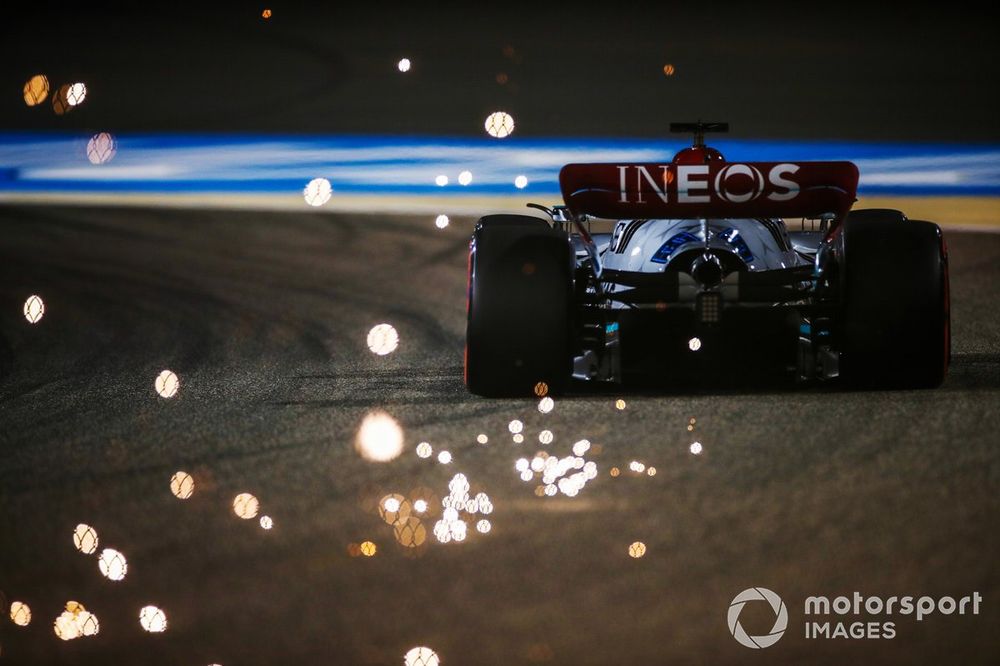
    Mercedes’ trackside engineering director, Andrew Shovlin, has shared his insights on the upcoming changes in Formula 1 regulations for 2026. He believes that the new cars will not face the same issues of porpoising and bouncing that have plagued the current generation of machinery. However, he emphasizes the importance of remaining vigilant as teams explore the limits of the new aerodynamic formula.

    Understanding the Changes in Floor Geometry

    Next year’s floor geometry is set to align more closely with those used before 2022, featuring a largely flat floor between the front and the diffuser. This design change is expected to reduce the likelihood of porpoising due to the airflow structures underneath the car. The previous issues were attributed to vortex structures bursting under load, causing the car to bounce up and then settle back down, creating a cyclical motion.

    Shovlin notes that while many theories circulated about the root cause of these issues, the core problem was the bursting of these vortex structures. With the new design, such problems are less likely to occur, but teams must still be prepared for potential challenges.

    Learning from the Past

    Despite the improvements, Shovlin acknowledges that there will always be traps for teams as they adapt to the new regulations. “There’s always going to be traps and there’s always going to be teams that are disappointed with the job they’ve done. You would never walk into a new set of regulations thinking it will be straightforward,” he explained.

    He also highlighted that the regulations are moving back towards the previous generation of cars, which makes it less likely to encounter the same issues with porpoising that affected the start of these regulations. Even if similar problems arise, Shovlin believes teams now have the tools and knowledge to handle them more effectively.

    “There is always the challenge of trying to get a new formula balanced because we can do work in the simulators but really until you start running the car on track you don’t know exactly how it’s going to behave.”

    Strategic Variance in Energy Deployment

    Shovlin also addressed George Russell’s claim about the potential for more “obscure” overtaking opportunities in 2026. He explained that the energy deployment aspect of the new rules will introduce further strategic variance. However, drivers must be cautious not to over-consume energy in certain situations, as this could lead to being gazumped later in the lap.

    “It’s definitely a big factor in that there is a shortage of energy and you’ve got to do everything you can to harvest as much as possible,” Shovlin added.

    He noted that while the energy shortage will create strategic opportunities for drivers, it will be a similar situation across the grid. “When you have that energy shortage it does create strategic opportunity for the driver so understanding where you can deploy it.”

    The Evolution of Racing Strategy

    Shovlin pointed out that there will be examples where passing early in a lap is relatively easy, but drivers may find themselves retaken later if they drive in such a manner. “It is the way the formula is going to evolve. I don’t think it will be necessarily a massive performance area but it will be a big factor in terms of the strategic racing.”

    Preparing for the Future

    As Formula 1 continues to evolve, the focus remains on balancing innovation with the lessons learned from past challenges. Teams will need to adapt quickly to the new regulations while maintaining a keen eye on potential pitfalls. The future of the sport looks promising, with a blend of technological advancements and strategic depth set to shape the next era of competition.

  • Tourists Convert Digital Assets to Baht Soon

    Tourists Convert Digital Assets to Baht Soon

    Introduction to Tourist DigiPay

    Thailand is set to revolutionize the way tourists spend their money during their visits by introducing the Tourist DigiPay initiative. This new system allows foreign visitors to convert their digital assets into baht, making it easier for them to spend during their stay. The initiative is a joint effort between the Securities and Exchange Commission (SEC), the Bank of Thailand, and the Anti-Money Laundering Office (Amlo). It aims to support the tourism sector while ensuring strict anti-money laundering (AML) safeguards are in place.

    Key Features of Tourist DigiPay

    Tourists can top up their wallets with up to 500,000 baht per month per account, according to the SEC’s Digital Asset Policy Department. This initiative is designed to provide an alternative payment option for foreign travelers, promoting the use of digital innovation in the Thai economy. The rollout includes robust risk management and AML controls to prevent misuse of cryptocurrencies and grey digital assets.

    Nirun Fuwattananukul, chief executive of Binance TH by Gulf Binance, highlighted that the project is a forward-looking initiative that positions Thailand as an innovative country embracing new technologies such as digital assets. He noted that while many countries are beginning to allow crypto payments, Thailand is taking a pragmatic approach through a regulatory sandbox, converting crypto into baht for use in a controlled and compliant way.

    The Process Behind Tourist DigiPay

    The process begins with know your customer (KYC) and customer due diligence (CDD) procedures, which are mandatory steps for all licensed digital asset and e-money service providers. These involve verifying customers’ identities and the purposes of transactions through documentation and biometric data to ensure compliance with high-risk standards set by Amlo.

    Once verified, tourists can open two linked wallets — a digital asset wallet and a tourist e-money wallet — allowing seamless conversion of crypto into baht for spending. Digital asset operators must use blockchain forensic tools to trace and analyze transaction histories, identify suspicious wallets, and detect potential links to illegal activities or money laundering, according to the SEC.

    Payments through PromptPay QR codes are capped at 500,000 baht a month per account for merchant QR codes, and 50,000 baht a month per account for small vendors using personal QR codes. These caps are consistent with the average spending pattern of international tourists, which is roughly 5,000 baht a day, and will ensure funds are used only for legitimate tourism-related activities.

    Restrictions and Refund Policies

    Tourist DigiPay cannot be used at high-risk businesses, such as gold or jewellery shops, amulet and antique dealers, casinos, or entertainment venues, all of which are commonly monitored for potential money laundering, said the SEC. If a balance remains in a tourist wallet when visitors leave Thailand, they must convert the unused funds back into digital assets via the same licensed provider used upon entry. The refunded amount must not exceed the initial digital assets exchanged into baht.

    Pilot Programme and Future Outlook

    The pilot programme is slated to run for 18 months. The SEC stated that the scheme will support and strengthen the competitiveness of local small businesses and merchants, while fostering broader adoption of regulated digital finance by ensuring the platform does not become a channel for illicit money flows.

    Conclusion

    Tourist DigiPay represents a significant step forward in integrating digital assets into the tourism sector in Thailand. By providing a secure and regulated way for tourists to spend their digital assets, the initiative not only supports the economy but also ensures compliance with AML standards. As the pilot programme progresses, it will serve as a model for other countries looking to embrace digital innovation in their tourism industries.


  • Hudson Summons the Veteran Elite

    Hudson Summons the Veteran Elite

    New Era for Thai National Team Under Anthony Hudson

    The Thai national team, known as the War Elephants, is entering a new chapter under the leadership of English coach Anthony Hudson. After being appointed as the new head coach last month, replacing Masatada Ishii, Hudson has announced his first squad for upcoming matches. This marks a significant moment for the team as they prepare for key fixtures in the coming weeks.

    Hudson’s initial plan includes a friendly match against Singapore on November 13 at Thammasat Stadium, followed by a crucial 2027 Asian Cup qualifying match against Sri Lanka in Colombo five days later. The selection of players reflects a mix of experienced stars and fresh talent, aiming to build a strong foundation for future competitions.

    Veteran Players Return to the Squad

    Among the notable names returning to the squad are veteran players Teerasil Dangda, Theerathon Bunmathan, and Sarach Yooyen. These players have been instrumental in Thailand’s recent successes and bring valuable experience to the team. Their inclusion highlights Hudson’s confidence in their abilities and their importance to the team’s strategy.

    Teerasil Dangda, known for his goal-scoring prowess, has been a consistent performer for the national team. Theerathon Bunmathan, who has been playing well with Buriram United, is considered one of the best midfielders in Thailand. Sarach Yooyen, recognized for his discipline and intelligence on the field, adds depth and versatility to the squad.

    A New Addition: Jude Soonsup-Bell

    One of the most exciting additions to the squad is Jude Soonsup-Bell, a 21-year-old Thai-English player from Grimsby Town in England’s League Two. His call-up represents a step towards building a more diverse and dynamic team. Hudson expressed his enthusiasm about bringing Soonsup-Bell into the camp, emphasizing the need for depth and quality in the squad.

    “Jude is a special player that we want to talk about. We think it’s an important case to add more depth to the squad. We only want to bring in players who are going to help the squad, and we are very excited to get Jude into this camp,” Hudson said.

    Injuries and Strategic Decisions

    Despite the excitement surrounding the new squad, some key players are missing due to injuries. Suphanat Mueanta, a rising star in Thai football, was not included in the list due to an ongoing injury. Hudson explained the decision, stating that it would be too soon to call him up given his current condition.

    “We had a talk with Buriram United and the player still has an injury. We think it will be too quick to call him up for the national team at this time,” Hudson said.

    Fan Support and Future Goals

    Hudson also addressed the fans’ concerns following the unexpected dismissal of previous coach Masatada Ishii. He acknowledged the public’s frustration but urged continued support for the national team. “I truly respect and understand where the fans are coming from. I’m not asking for support or for people to agree with my decision, but what I am asking of the fans is to please support our players because it’s so important that we qualify for the Asian Cup.”

    Full Squad List

    Here is the complete 23-man squad selected by Hudson:

    Goalkeepers:

    – Kampol Pathomattakul

    – Patiwat Khammai

    – Saranon Anuin

    Defenders:

    – Kevin Deeromram

    – Supan Thongsong

    – Nattapong Sayriya

    – Nicholas Mickelson

    – Pansa Hemviboon

    – Suphanan Bureerat

    – Saringkan Promsupa

    Midfielders:

    – Chanathip Songkrasin

    – Theerathon Bunmathan

    – Thanawat Suengchitthawon

    – Benjamin Davis

    – Peeradol Chamratsamee

    – Sarach Yooyen

    – Seksan Ratree

    – Supachok Sarachat

    – Anan Yodsangwal

    Forwards:

    – Supachai Chaided

    – Teerasak Poeiphimai

    – Jude Soonsup-Bell

    – Teerasil Dangda

    The players are set to report for training next Monday, marking the beginning of a new journey under Hudson’s leadership. With a blend of experience and emerging talent, the War Elephants are poised to tackle the challenges ahead.

  • Foreign Tourists Drive South Korea’s Retail and Hospitality Surge

    Foreign Tourists Drive South Korea’s Retail and Hospitality Surge

    Record Foreign Tourist Numbers Drive Economic Growth in South Korea

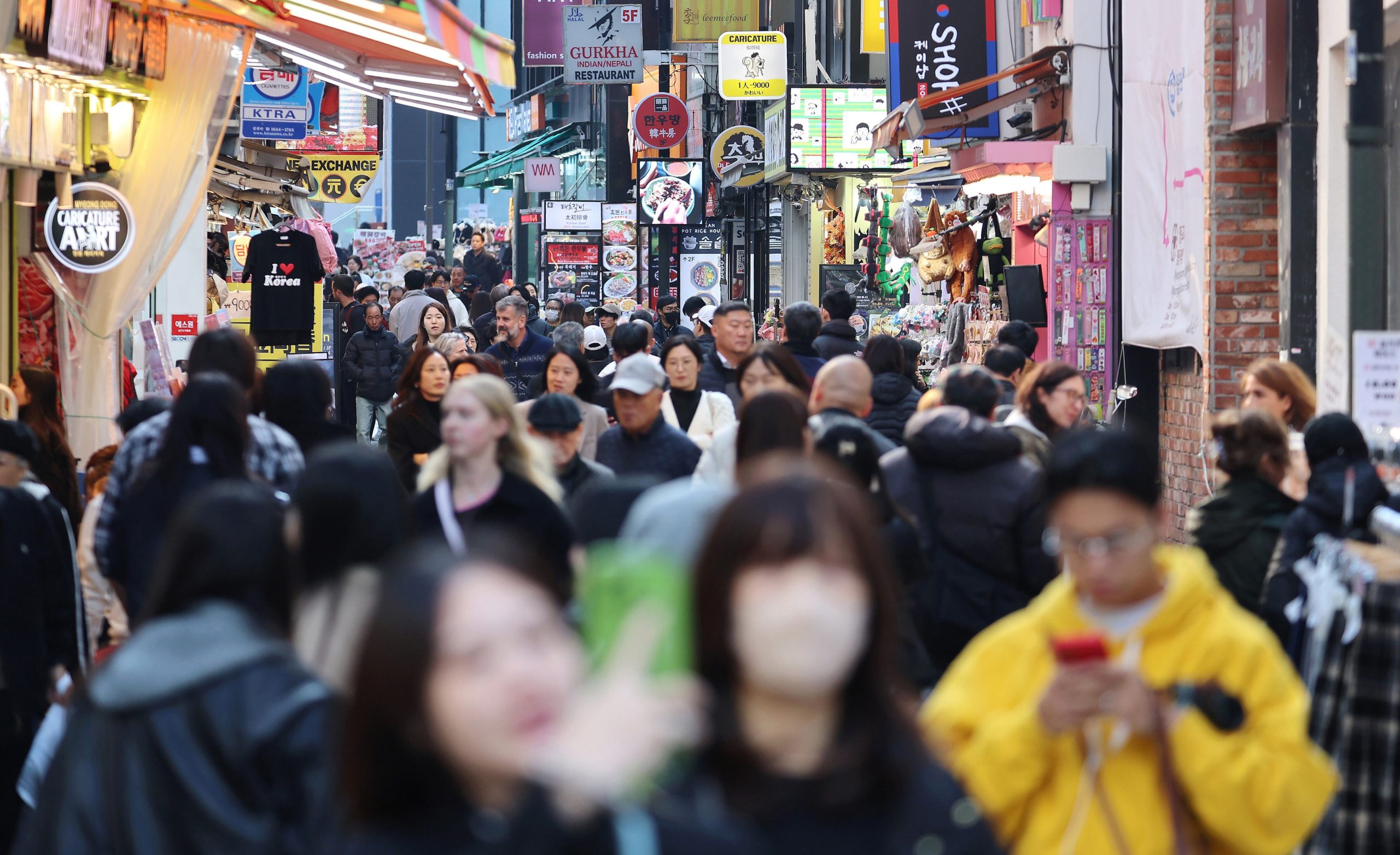
    South Korea is experiencing a surge in foreign tourist numbers, setting new records and boosting several key industries. The Ministry of Justice’s Immigration and Foreign Policy Headquarters Statistical Monthly Report revealed that from January to September this year, 6,491,846 foreigners entered the country on tourist (B-2) visas. This marks a 17.6% increase compared to the same period last year, which saw 5,519,648 visitors.

    The peak of foreign tourist numbers was recorded in 2019 at 7.15 million, but this dropped sharply due to the COVID-19 pandemic. However, by 2023, the number had recovered to pre-pandemic levels with 5.12 million visitors. Last year, the figure reached a record high of 7,546,000, and if current trends continue, this year could surpass that.

    The first nine months of this year already account for 86% of last year’s total, indicating that the trend is likely to continue. This increase in foreign tourists has had a positive impact on South Korea’s distribution and tourism sectors.

    Retail Sector Benefits from Increased Tourism

    Lotte Shopping reported preliminary third-quarter earnings showing a 0.7% year-on-year increase in domestic department store sales to 734.3 billion Korean won. Operating profit rose 9% to 79.6 billion won, attributed to strong fashion sales and sustained visits by foreign customers. The main branch of Lotte Department Store in Jung-gu, Seoul, saw a 39% surge in foreign sales, with their proportion rising to 19%.

    Shinsegae Department Store also released its third-quarter results, recording sales of 622.7 billion won, a slight increase despite high renovation costs. Operating profit fell only 4.9% to 84 billion won. A spokesperson stated that the decline in operating profit is narrowing each quarter, indicating improving profitability. The investments are gradually showing results.

    Hyundai Department Store announced on the 5th that sales increased 1.5% year-on-year to 576.8 billion won, with operating profit jumping 25.8% to 89.3 billion won. A representative explained that the growth momentum in the department store sector has strengthened due to the K-content boom and visa-free entry for Chinese tourists. Sales of key categories like fashion, luxury goods, and high-end jewelry have improved alongside government stimulus measures such as consumption coupons, leading to significant increases in both sales and operating profit.

    Hotel and Casino Industries Thrive

    The hotel and casino industries are also reporting strong performance, driven by visa-free group tours for Chinese visitors and a general rise in foreign tourists.

    Lotte Tourism Development achieved record-high sales of 186.6 billion won and operating profit of 52.9 billion won in the third quarter, up 34.2% and 138.9% year-on-year, respectively. Its operating margin surged from 8.3% last year to 28.4% in the third quarter this year.

    Notably, the casino division’s sales for the first three quarters reached 333.9 billion won, already exceeding last year’s annual total of 294.3 billion won. The hotel division (Grand Hyatt Jeju) also recorded its highest-ever sales of 46.1 billion won, with an average room occupancy rate of 90.2% in the third quarter—nearly full capacity.

    Paradise Company and Grand Korea Leisure (GKL), both operating casinos, are estimated to have seen their third-quarter operating profits rise 42.5% and 186% year-on-year to 51.6 billion won and 16.6 billion won, respectively.

    Outlook for the Fourth Quarter

    A distribution industry official remarked, “Since this year’s Chuseok holiday falls in October, part of the holiday season’s performance will be reflected in the fourth quarter. Combined with the year-end season, we expect further improvement in fourth-quarter results.”

  • Ukraine Updates: Russian Strikes Trigger Power Outages

    Ukraine Updates: Russian Strikes Trigger Power Outages

    Major Russian Attack on Ukraine’s Energy Infrastructure

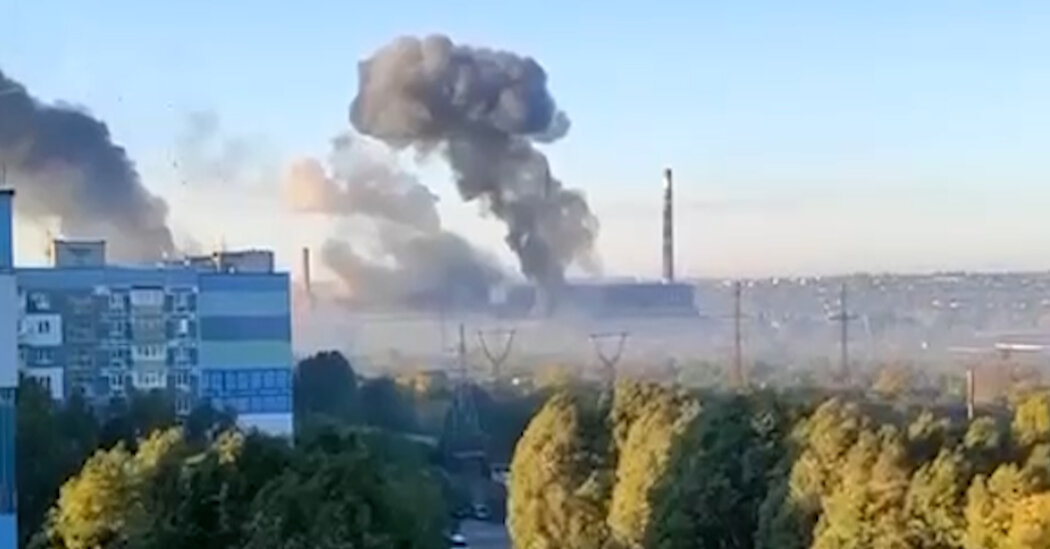
    A significant Russian attack on Ukraine’s energy infrastructure has led to widespread power outages in several regions. The strikes have caused emergency power cuts, with authorities reporting the situation as critical. Ukraine’s Energy Minister Svitlana Grynchuk confirmed the attacks, stating that “the enemy is massively attacking Ukraine’s energy infrastructure again.” While specific regions affected were not disclosed, the impact has been felt across multiple areas of the country.

    Despite the ongoing challenges, Grynchuk expressed confidence that Ukraine will maintain light and heat throughout the winter. This assurance comes amid growing concerns over the potential for heating outages as winter approaches, especially given the recent escalation in attacks on energy facilities.

    Zelenskyy Warns of Russian Efforts to Seize Pokrovsk

    Ukrainian President Volodymyr Zelenskyy has warned that Russia is making every effort to seize Pokrovsk, a key city in the eastern Donetsk region. According to Zelenskyy, Ukrainian intelligence estimates that approximately 314 Russian troops are currently inside the city, an increase from previous reports of up to 200 at the end of October. He also mentioned that Russia has launched around 220 assaults near Pokrovsk in the last three days.

    Zelenskyy emphasized the importance of Pokrovsk to Russian military strategy, suggesting that capturing the city would be a significant step toward achieving Moscow’s goal of occupying the entire Donbas region. However, he noted that despite heavy fighting, Russian forces have made no progress in nearby cities such as Siversk, Kramatorsk, or Kostyantynivka.

    Trump Exempts Hungary from Sanctions on Russian Energy Imports

    In a separate development, U.S. President Donald Trump exempted Hungary from sanctions on the import of Russian oil and gas. Hungarian Prime Minister Viktor Orban met with Trump at the White House, where he requested the exemption. Orban stated that Hungary faces a different situation compared to other European countries, emphasizing the necessity of accessing Russian energy supplies.

    This move has raised questions about the implications for European energy policy and the broader geopolitical landscape. The exemption highlights the complex relationships between Eastern European nations and their reliance on Russian energy resources.

    Russia’s Hybrid Warfare Network in Europe

    A recent study has shed light on Russia’s network of agents involved in hybrid warfare operations across Europe. The research highlights how Moscow has developed a strategic approach to sabotage and influence in European countries, positioning these activities as a central pillar of its overall strategy.

    The study suggests that these hybrid operations are not merely side efforts but are integral to Russia’s broader goals in the region. It calls for the EU to take proactive measures to counter these tactics and protect its member states from further destabilization.

    Impact of Continued Attacks on Energy Infrastructure

    Over the past few months, Russia has intensified its attacks on Ukraine’s energy infrastructure, targeting natural gas sites that supply most of the nation’s heating fuel. These attacks have left many Ukrainians vulnerable as the winter season approaches, with experts warning of potential heating outages if the situation continues.

    The ongoing conflict has not only disrupted daily life but has also placed immense pressure on Ukraine’s energy sector. Despite these challenges, the government remains committed to ensuring that citizens have access to essential services during the colder months.

    Ongoing Conflict and International Reactions

    As the war in Ukraine continues, international reactions remain divided. While some countries support Ukraine’s efforts to defend its territory, others, like Hungary, seek alternative arrangements to manage their energy needs. The situation underscores the complexity of the conflict and the far-reaching consequences it has on both regional and global scales.

    The latest developments highlight the urgent need for coordinated international efforts to address the humanitarian and security challenges posed by the ongoing war. As the situation evolves, the world watches closely to see how these events will shape the future of the region.

  • NSMQ 2025: Instructors Accused of Failing Stephen Apemah-Baah

    NSMQ 2025: Instructors Accused of Failing Stephen Apemah-Baah

    Fan Criticizes OWASS Management After NSMQ 2025 Performance

    A fan of the National Science and Maths Quiz (NSMQ) has voiced his frustration with the management of Opoku Ware Senior High School (OWASS), particularly in relation to the performance of their star contestant, Stephen Apemah-Baah. The fan accused the school’s teachers and management of not providing adequate support to their representatives during the competition, which resulted in OWASS finishing third in the NSMQ 2025 edition.

    In a video that has sparked significant online discussion, the fan highlighted that Stephen is a talented student who could have potentially won the trophy if given better support. He pointed out that the school did little to help Stephen, despite his consistent participation in the competition over three years.

    “Teachers of OWASS did not help Stephen one bit. The school did not help the boy at all. He stood three times and did not win any. The boy has the vision, but you failed him. Imagine if Stephen had attended either PRESEC or Mfantsipim — would this have been his story?” he exclaimed.

    The video has generated a wide range of reactions from viewers, with many commenting on the challenges faced by Stephen during the competition.

    • PHARADYSE ⚽️ wrote: “Bro the questions were more of biology and Stephen is too good in physics and Chemistry.”
    • Nana Yaw(EBJ) wrote: “He has 3 years experience in the competition, John has 2 years in the competition, you all complaining that the questions were biology what was he doing in those years?”
    • blackjesus💛🖤💚🔥 also wrote: “The organisers can not be trusted massa.”
    • Dimples ❤️🥰 wrote: “They didn’t help in spiritual.”

    The fan’s comments have raised important questions about the role of schools in supporting their students during high-stakes academic competitions like the NSMQ.

    Stephen Apemah-Baah’s Journey

    Stephen Apemah-Baah has become a notable figure in the NSMQ, representing OWASS with distinction. His journey began when he first represented his school in Form 1, leading them to the finals. In his second year, he reached the finals again alongside other outstanding students. By his third year, he led the school to the finals once more, securing a third-place finish in the 2025 edition.

    Despite not winning the top prize, Stephen was recognized for his contributions with a special trophy and a cash prize of GH₵5,000. His performance has been praised by many, highlighting his dedication and brilliance.

    Mfantsipim Crowned Champions

    Mfantsipim School emerged as the winners of the 2025 NSMQ, marking their fourth title in the competition. They now share the record with Prempeh College and St. Augustine’s College, both of whom also have four titles each. Presbyterian Boys’ Secondary School (PRESEC, Legon) remains the most successful school with eight titles.

    Mfantsipim received a prize package worth GH₵70,000 (≈ $6,500), including insurance for the contestants, scholarship packages, and additional prizes such as laptops and other items from sponsors. The school also awarded their three contestants a free trip to Dubai, accompanied by one teacher.

    In an interview with JoyNews, the Vice President of the Old Students Association expressed confidence in Mfantsipim’s ability to return next year and win the 2026 trophy, celebrating the school’s 150th anniversary.

    Mfantsipim Contestants Share Favorite Girls’ Schools

    Earlier reports highlighted a story where the Mfantsipim NSMQ contestants shared details about themselves, including their favorite girls’ schools. When asked to choose between Wesley Girls’ High School and Holy Child Senior High School, the students made their selections, sparking discussions among viewers about their choices.

  • Lee Government Speeds Up Coal Plant Demolitions Over Safety Fears

    Lee Government Speeds Up Coal Plant Demolitions Over Safety Fears

    A Tragic Incident Sparks Concerns in Coal Plant Demolition Efforts

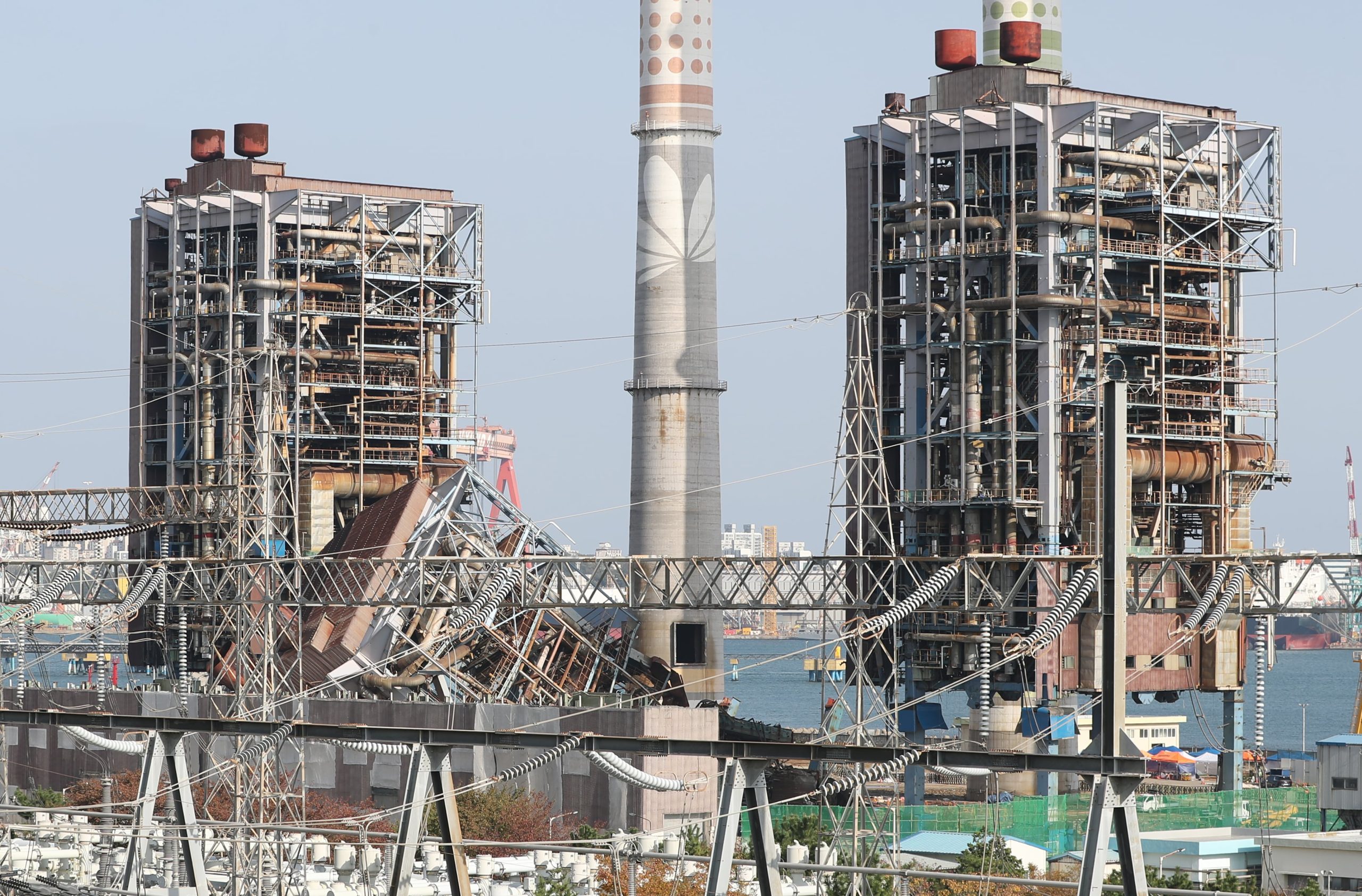
    A tragic incident involving a human casualty occurred at the demolition site of the Ulsan Dongseo Power Plant on the 6th, raising concerns about the safety and management of ongoing coal plant decommissioning projects. This event has come amid growing pressure to shut down 28 coal-fired power plants by 2036, as part of broader efforts to reduce carbon emissions and transition toward cleaner energy sources.

    The government’s plan to completely phase out coal-fired power generation by 2040 is expected to accelerate the pace of demolition work. According to the Ministry of Climate, Energy and Environment’s coal power phase-out strategy, which is based on the 10th and 11th Basic Plans for Electricity Supply and Demand, 28 of the current 61 operational coal-fired power plants will be closed by 2036. An additional 12 units are scheduled to be shut down by 2038. The process will begin with the closure of Taean Coal Power Plant Unit 1 next month, followed by Hadong Unit 1, Boryeong Unit 5, and Taean Unit 2 in the coming year.

    Delayed Demolitions Due to Safety Issues

    Many coal-fired power plants have already ceased operations but remain undemolished due to various challenges. For example, Korea South-East Power’s Samcheonpo Units 1 and 2 were permanently closed in 2021, but demolition has been delayed because of safety concerns related to the nearby operational Units 3 and 4. Similarly, Korea Midland Power’s Boryeong Units 1 and 2, which were closed in 2020, remain standing because adjacent Units 3–6 are still in operation. Korea Western Power also ended operations at the Pyeongtaek Thermal Power Plant in January of this year, but its demolition is yet to begin.

    These delays highlight the complexity involved in decommissioning aging infrastructure. The process requires careful planning to ensure that neighboring operational units are not affected, and it often involves extensive risk assessments and safety protocols.

    Early Closures Under Consideration

    In addition to the planned closures, there are discussions about potentially closing some currently operational coal-fired plants earlier than their expected 30-year lifespan. Typically, coal plants are either converted to liquefied natural gas (LNG) power generation or shut down after 30 years of operation. However, the government’s push for decarbonization may lead to early closures.

    Recent adjustments to the 2035 National Greenhouse Gas Reduction Target (NDC), set at 50–60% or 53–60% of 2018 emissions, could further speed up this transition. While industry stakeholders previously argued that a 48% reduction was already challenging, the government has raised the minimum target to 50%. By 2040, 21 coal plants will still be under 30 years old, indicating that the phase-out timeline remains ambitious.

    Rising Tensions in the Power Industry

    As the demand for demolition increases, tensions within the power industry are growing. A source from a power company stated, “Coal plant boiler equipment is large, complex, and involves dismantling 30–40-year-old facilities, posing significant risks. With legislation underway to dismiss public institution heads in case of major accidents, planning demolition is understandably cautious.”

    Following the Ulsan incident, the Ministry of Climate, Energy and Environment halted demolition work at other coal plants on the 6th. This includes Honam Coal Power Units 1 and 2, which began demolition in July of last year, and Seocheon Coal Power in Chungnam, which completed blasting in May of this year and was processing remaining debris.

    Ongoing Challenges and Future Outlook

    The demolition of coal-fired power plants is a complex and high-risk process, requiring meticulous planning and execution. As the government moves forward with its decarbonization goals, balancing safety, efficiency, and environmental concerns will be crucial. The recent incident in Ulsan serves as a reminder of the challenges ahead and the need for continued vigilance in managing these transitions.