New Insights into the Potential of mRNA Vaccines in Cancer Treatment
Recent research has uncovered a groundbreaking possibility that could change the approach to cancer treatment. It suggests that vaccines designed to combat the coronavirus might have an additional, unexpected benefit: helping cancer patients live longer. This discovery comes from studies conducted on mice and an analysis of medical records of cancer patients who received mRNA vaccines for COVID-19 before beginning immunotherapy.
The findings were presented by a team of researchers from the University of Florida and the University of Texas MD Anderson Cancer Centre at the European Society for Medical Oncology Congress in Berlin. The results were also published in the peer-reviewed journal Nature. According to the researchers, these vaccines not only prevent infection but also “wake up” the immune system, prompting it to fight tumours more effectively.
How mRNA Vaccines Work
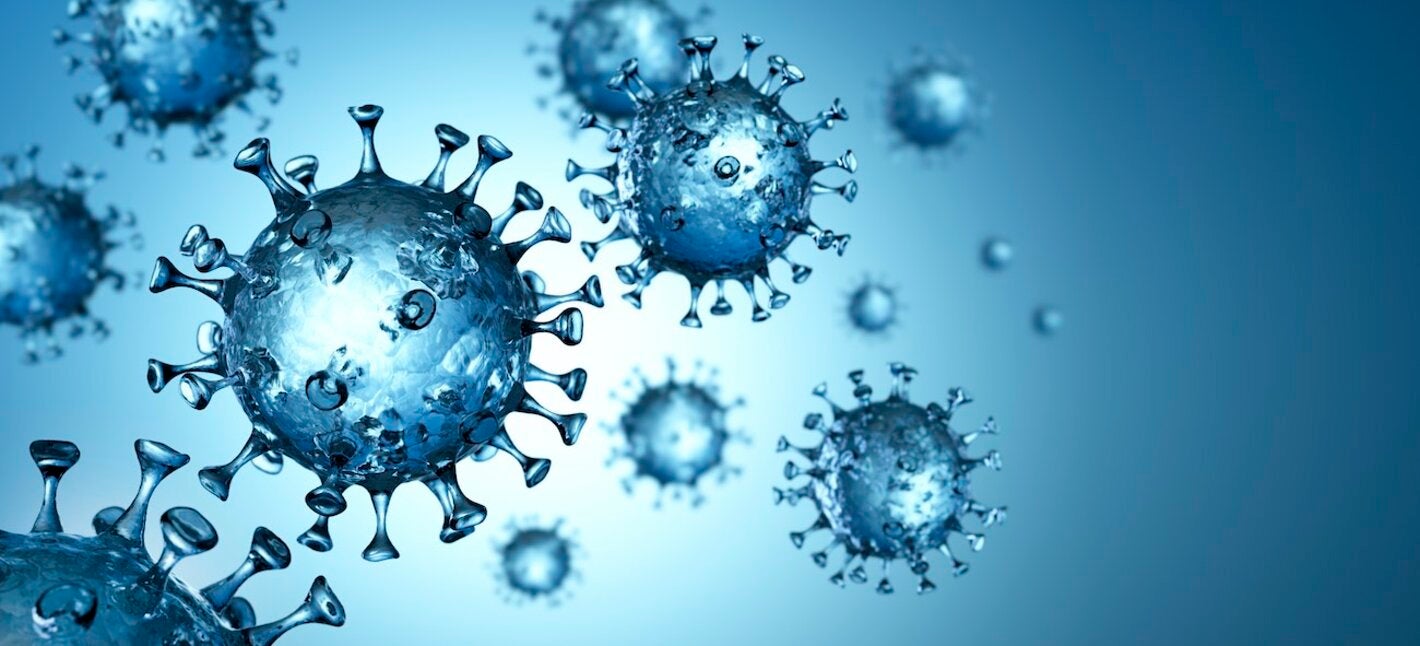
Unlike traditional vaccines, which use weakened or inactive parts of a virus to trigger the immune system, mRNA vaccines deliver a small strand of genetic code known as “messenger RNA” directly into the body’s cells. The cells then read this blueprint as an instruction to manufacture a spike protein that mimics that of the virus. This spike protein is displayed on the cell’s surface, acting as a red flag that alerts the immune system to build a defense.
Once the immune system recognizes the spike protein, it creates antibodies and trains memory cells to recognize and attack the protein if it appears again. This process forms the basis of how mRNA vaccines work to protect against the virus.
Unexpected Benefits in Cancer Patients
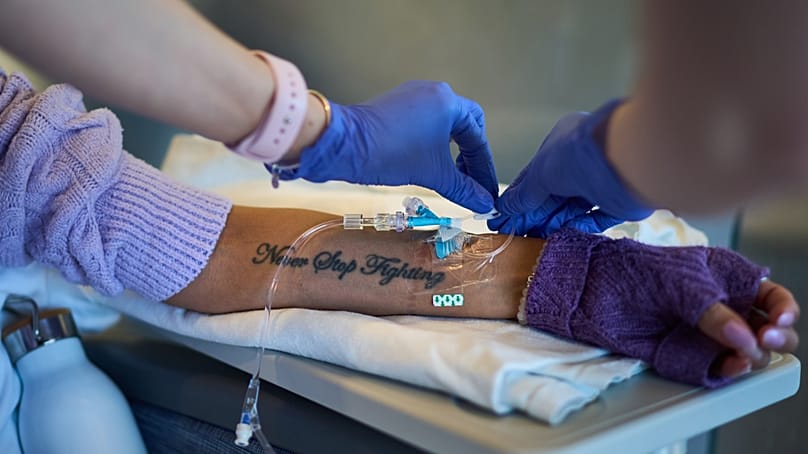
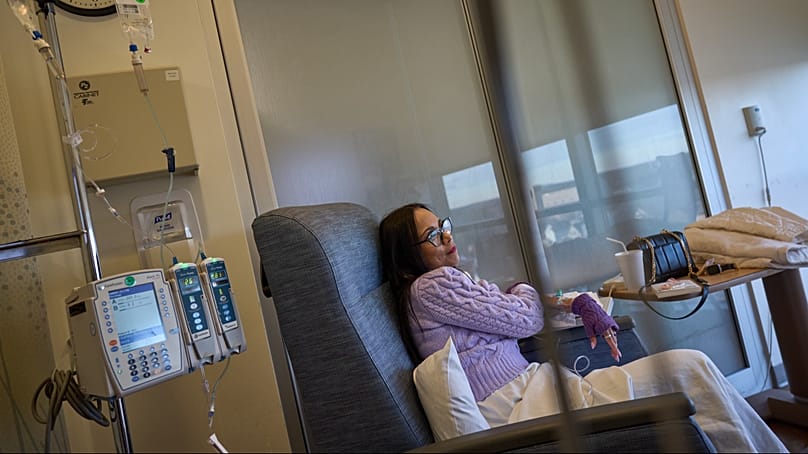
Cancer researchers began noticing a positive pattern among patients undergoing immunotherapy for their cancer treatment who had also received a Covid mRNA vaccine. These patients showed better outcomes compared to those who did not receive the vaccine. Immunotherapy, which harnesses a person’s immune system to fight cancer cells, is effective in only about 20% of cases. Finding ways to boost its effectiveness has been a long-standing challenge for researchers.
Dr. Adam Grippin, a senior resident in radiation oncology at MD Anderson Cancer Centre, explained that the COVID mRNA vaccine acts like a siren to activate the immune system. He noted, “What we found is that in patients with cancer, the immune system gets activated inside their tumour, and it gets reprogrammed to start killing their cancer.”
Looking back at over 1000 patients treated with immunotherapy at MD Anderson, Grippin found that those who received the Covid vaccine around the time they started their immunotherapy lived significantly longer than those who did not.
A New Hope for Cancer Patients
The research suggests that an already-available vaccine could be the key to boosting a cancer patient’s immune-fighting power. Dr. Patrick Nana-Sinkam, Associate Vice President of Clinical and Translational Research at VCU Health, emphasized the challenges of immunotherapy, stating, “One of the challenges with immunotherapy is that only about 20-40% of people who receive immunotherapy have a meaningful response.”
Despite the promising findings, doctors caution that the research is still preliminary. Clinical trials are necessary to confirm the link between mRNA vaccines and improved cancer outcomes. Researchers are currently seeking 500 participants for a Phase 3 clinical trial. Once this trial begins, Grippin estimates that it will take several more years before final results are available.
Conclusion
This new research opens up exciting possibilities for the future of cancer treatment. If further studies confirm the benefits of mRNA vaccines in enhancing the immune system’s ability to fight cancer, it could lead to significant advancements in care for patients. As the scientific community continues to explore these findings, the potential impact on cancer treatment remains a topic of great interest and hope.