Category: News

  • Coffee Industry Enhances Land Oversight to Comply with EU Deforestation Laws

    Coffee Industry Enhances Land Oversight to Comply with EU Deforestation Laws

    Rwanda’s Coffee Industry Navigates EU Deforestation Regulations

    Rwanda is taking significant steps to ensure its coffee exports meet the stringent requirements of the European Union (EU) Deforestation Regulation (EUDR). According to Claude Bizimana, Chief Executive Officer of the National Agricultural Export Development Board (NAEB), authorities are closely monitoring the expansion of coffee plantations to prevent seedlings from being planted on deforested land. This initiative aligns with the new EU regulations that require agricultural exports such as coffee, cocoa, and palm oil to be deforestation-free and fully traceable.

    The EUDR, initially set to take effect in December 2024 but postponed to December 2025, prohibits products from land cleared after December 31, 2020. Exporters must also submit a due diligence statement confirming compliance. “The EU regulations demand that our coffee is not produced on deforested land,” Bizimana said. “We’ve developed a reliable traceability framework and continue to work with farmers to make sure expansion occurs only where forests have not been cleared.”

    Key Markets and Compliance Efforts

    Europe remains a crucial market for Rwanda’s coffee exports, with Switzerland leading the way. In the 2023/24 season, Switzerland imported over 3,700 tonnes of Rwandan coffee valued at $18.4 million, accounting for about 23% of total export earnings. Other major buyers include Sweden, Italy, Germany, and Finland. The NAEB has engaged with the EU Delegation, international NGOs, and coffee buyers to ensure full compliance with the EUDR.

    As a result, Rwanda has been classified as a low-risk origin under the EUDR. To enhance transparency, the NAEB has introduced a digital “Smart System” that tracks coffee from farm to export. The tool collects data on production, inputs, and farm management practices. A nationwide coffee census is also underway to gather geospatial data and socioeconomic profiles of farmers.

    Adapting to New Standards

    Farmers and exporters are already adapting to these new standards. In Nyamasheke District, coffee farmer Lambert Muhire verifies land records before expanding his plantation. “If we don’t comply, our produce could be rejected,” he said, adding that he plans to grow 5,000 trees on non-deforested land. Similarly, Wellars Karangwa, Manager of Muhondo Coffee, noted that compliance has been costly but necessary. “Mapping our 1,800 farmers with GPS coordinates cost us about Rwf2 million,” he said.

    In the 2024/25 fiscal year, coffee exports generated over $116 million, a 48% increase from $78.7 million the previous year. Production rose by 25% to 21,000 tonnes, while the average export price increased 18% to $5.66 per kilogramme. Key drivers include replanting old trees, adopting high-yield varieties, and promoting private investment.

    Boosting Specialty Coffee Visibility

    The NAEB highlighted the Best of Rwanda competition as a major boost for specialty coffee visibility. In October, a batch from K-Organics Ltd in Huye District sold for $88.18 per kilogramme, nearly 14 times the average export price. This achievement underscores the growing global interest in Rwanda’s high-quality coffee.

    Under the ongoing agricultural strategy, the coffee sector aims to grow export revenues from $78.7 million in 2023/24 to $115.5 million by 2029. This growth highlights both the sector’s resilience and the urgency to stay compliant with evolving global standards.

    Future Prospects and Challenges

    Ongoing discussions in Brussels could extend the compliance deadline by another year. Bizimana noted that Rwanda’s low-risk classification reflects a long history of smallholder coffee production and detailed data showing that recent expansions are environmentally compliant.

    With the EU market remaining a critical destination for Rwandan coffee, the country’s ability to meet these stringent regulations will play a vital role in sustaining its economic growth. As the industry continues to adapt, the focus remains on maintaining environmental integrity while capitalizing on the increasing global demand for sustainable and traceable agricultural products.


  • Helicopter Crash Report Released: Details to Be Shared With Public on November 11

    Helicopter Crash Report Released: Details to Be Shared With Public on November 11

    Government to Release Details of August 6 Helicopter Crash Investigation

    Felix Kwakye Ofosu, the Minister of Government Communications, has announced that the report on the tragic helicopter crash that occurred on August 6 will be made public on November 11. This comes after the investigative team presents its findings to the National Security Council on November 10.

    The government plans to hold a media briefing to share the results and recommendations from the investigation. This step is aimed at ensuring that Ghanaians are fully informed about the causes of the incident and the measures proposed to prevent similar tragedies in the future.

    The Minister shared this information while outlining key activities for the coming week. He emphasized that the next few days would be critical for transparency and accountability. “Very important week coming up,” he stated. “Tomorrow (November 10), the report of the August 6 Helicopter tragedy investigation will be presented to the National Security Council. On Tuesday (November 11), the details of the report will be made public at a media briefing.”

    In addition to the release of the helicopter crash report, the Minister highlighted other significant events scheduled for the week. President Mahama is set to launch the ‘nkoko nkitinkiti’ project in Kumasi on Wednesday, November 12. The following day, the 2026 Budget will be read in Parliament by the Finance Minister. This budget is expected to include far-reaching policy initiatives that could shape the country’s economic direction.

    Tragic Helicopter Crash Claims Eight Lives

    The August 6 helicopter crash involved a Harbin Z-9EH military helicopter with the tail number GHF 631. The aircraft was operated by the Ghana Air Force and took off from Accra at around 09:12 on Wednesday, August 6, carrying eight individuals, including members of the Ghana Air Force.

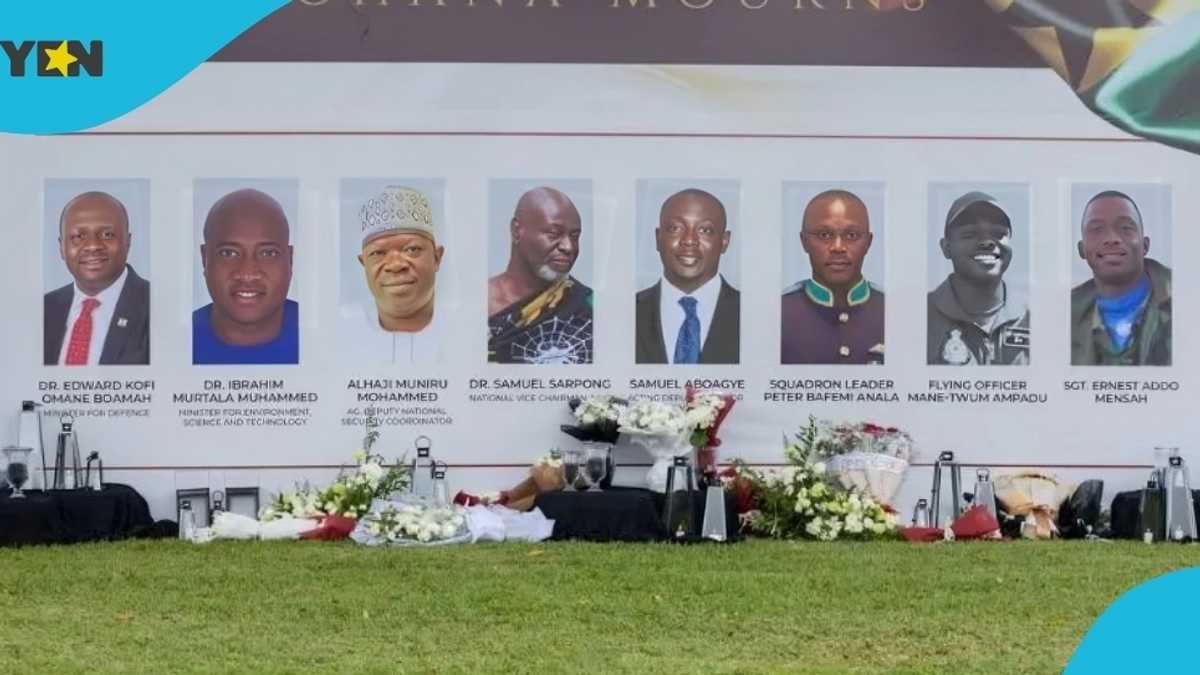
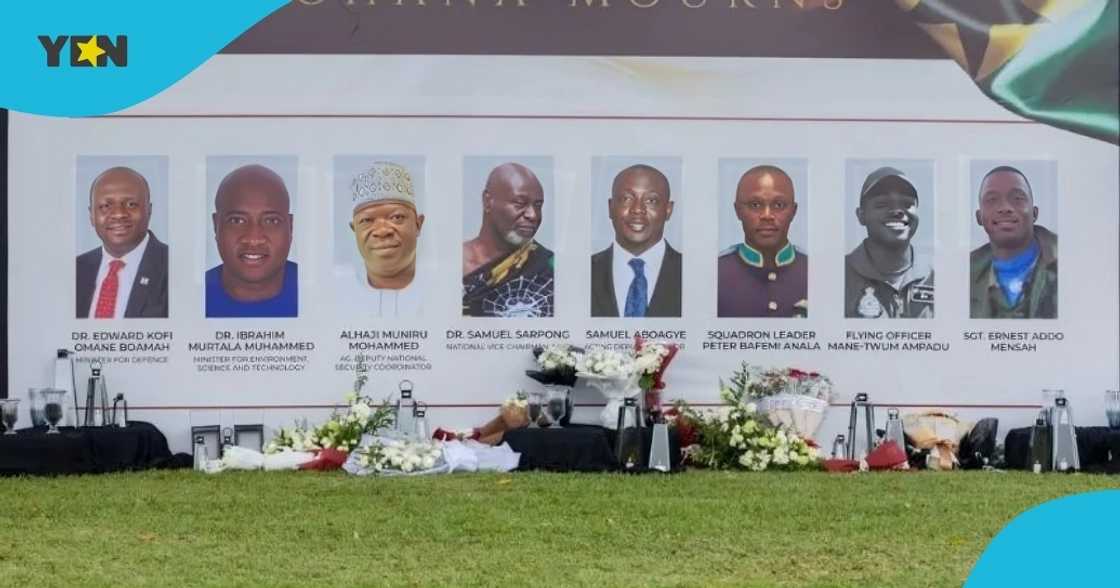
    They were en route to Obuasi in the Ashanti Region for an anti-illegal-mining mission when they lost radar contact and crashed in the Adansi Akrofuom District. All eight people on board tragically lost their lives. The victims included:

    • Defence Minister Dr Edward Omane Boamah
    • Environment, Science and Technology Minister Ibrahim Murtala Muhammed
    • Acting Deputy National Security Coordinator Muniru Mohammed Limuna
    • NDC Vice-Chair Samuel Sarpong
    • Former parliamentary candidate Samuel Aboagye
    • Squadron Leader Peter Bafemi Anala
    • Flying Officer Manaen Twum Ampadu
    • Sergeant Ernest Addo Mensah

    Following the incident, an investigation was initiated. The investigative body was chaired by National Security Coordinator Abdul-Osman Razak. Representatives from the Ghana Air Force, the Ghana Civil Aviation Authority, and international advisers also contributed to the inquiry. Their findings are now being compiled and will soon be shared with the public.

  • NSDC and Taraba Govt Team Up to Boost Sugar Output

    NSDC and Taraba Govt Team Up to Boost Sugar Output

    Collaborative Efforts to Boost Sugar Production in Nigeria

    The National Sugar Development Council (NSDC) and the Taraba state government are working together to enhance sugar production in Nigeria. This initiative is part of a broader effort to achieve self-sufficiency in sugar production, which has long been a challenge for the country.

    During a courtesy visit to Taraba state, Mr Kamar Bakrin, the Executive Secretary of NSDC, met with the Lee Group Management team. He emphasized the importance of collaboration between the state government and private investors in launching a multi-million-dollar sugar project. Bakrin highlighted that the Lee Group has taken significant steps towards establishing a large-scale sugar production site in Taraba.

    At the meeting, Bakrin informed the governor and other officials about the Lee Group’s exploration of a major sugar investment opportunity. He stated that this project is crucial for Nigeria’s goal of becoming self-sufficient in sugar production. The NSDC’s role includes developing capacity within the sector through training, extension services, and sugarcane research. Additionally, the council supports investors by providing financing, feasibility studies, and assistance with land access for sugar projects.

    Bakrin also pointed out the global significance of sugar as an economic product. He noted that sugar employs approximately 100 million people across over 120 countries. Sugar estates are often located in rural areas, contributing to local development without causing environmental degradation. In fact, sugar cultivation can have a positive impact on environmental sustainability.

    The Executive Secretary revealed that a national study conducted by the Council identified around 1.2 million hectares of land suitable for sugar development across Nigeria. Taraba state was among the most strategically positioned for such projects. He added that Taraba had met all technical and environmental criteria with flying colors, making it one of the most promising locations for sugar investment in the country.

    He further mentioned that the Lee Group, through its subsidiary GNAAL Sugar, has fulfilled the requirements of the NSDC as a credible investor. The group possesses both financial strength and technical expertise necessary for successful sugar production.

    Mr Lam Wing Ki Wilkins, the Project Director of Lee Group, also addressed the governor, expressing the group’s desire to establish a multi-million-dollar sugar project in Taraba state. He highlighted the state’s potential for agricultural and industrial growth, emphasizing that the proposed project would significantly contribute to both local and national economic objectives.

    Wilkins stated that the Lee Group is not just presenting an idea but is committed to building a lasting partnership. He explained that the investment would boost the state’s revenue base, create employment opportunities, stimulate local enterprise, and empower farming communities through an inclusive out-grower scheme.

    He also affirmed that the Lee Group has operated in Nigeria for over six decades, with a strong reputation in manufacturing, training, and agriculture. With continued support from the governor and the people of Taraba, the group is confident that this project will serve as a model for sugar development in Nigeria.

    Governor Kefas’ Commitment to Investment

    Responding to the discussions, Governor Agbu Kefas expressed his administration’s commitment to creating a conducive environment for investors interested in the agricultural and industrial sectors. He described Taraba as a gift from nature, highlighting its abundant natural resources and vast arable land suitable for agricultural ventures.

    Kefas noted that the state has overcome previous security challenges and is now peaceful and safe for both local and foreign investments. He urged investors to take advantage of the opportunities available, particularly in sugar production, which is a key focus of the state’s agricultural agenda.

    He identified Kurmi, Lau, and Ibi Local Government Areas as ideal locations for large-scale sugar cultivation and processing projects. The governor assured the visitors that the state would provide all necessary support, including suitable land, to ensure the success of the project.

    In addition, Governor Kefas called for the formation of a tripartite committee comprising state officials, the NSDC, and the investors. This committee would facilitate the progress of the project to the next stage.


  • Young Man Dies in Argentina from Severe Allergic Reaction

    Young Man Dies in Argentina from Severe Allergic Reaction

    Tragic Death of a Young British Traveler in Argentina

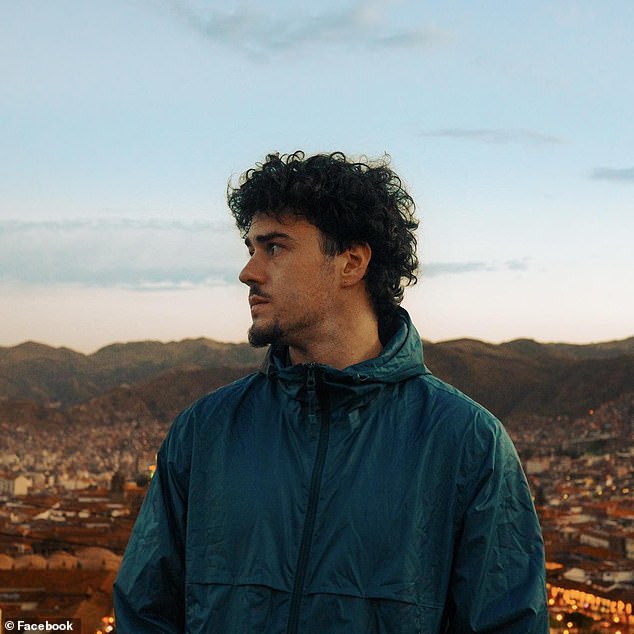
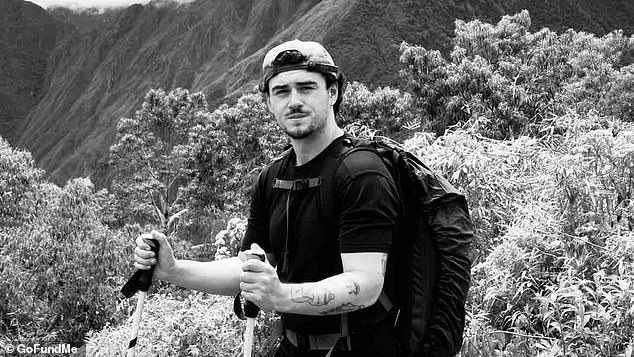
    A young British man, Harry Kitto, has tragically passed away after experiencing a severe allergic reaction while traveling in Argentina. The 24-year-old, who described himself as a barber and photographer on social media, was surrounded by his family when he passed away on Friday. His journey to South America with his girlfriend Naomi ended in a heartbreaking way after a week-long battle at a hospital in Buenos Aires.

    Harry, from Falmouth in Cornwall, had been sharing his adventures on Instagram and TikTok, posting photos from the Salkantay trek and reaching Machu Picchu in Peru. However, his trip took a tragic turn when he suffered a catastrophic allergic reaction that led to his brain death. The specific nature of the reaction has not been disclosed.

    The family has set up a GoFundMe campaign to help repatriate Harry’s body, which has already raised nearly £57,000 out of a £70,000 target. This overwhelming support has come from people around the world who have been touched by Harry’s story.

    His parents, Leigh Kitto and Kerry Burt, shared emotional tributes on Facebook following his passing. Leigh wrote: ‘Sadly our son Harry passed away in Argentina doing what he loves most.’ He also asked for people to read about Harry and his cause and expressed gratitude for any contributions, no matter how small. Kerry described feeling ‘heartbroken’ and mentioned the difficult task of bringing him home.

    A statement from Harry’s family, posted on the fundraiser, described him as ‘brave, strong, and full of love until the very end.’ It added: ‘Harry fought so hard, and we have never been prouder of him.’ The family thanked everyone for their support and mentioned that any remaining funds will be donated to the Natasha Allergy Research Foundation.

    Jay Wicks, who created the fundraiser, shared an update expressing his amazement at the kindness and generosity shown. He said: ‘Every message, share, and donation has helped lift us through the hardest days.’ He also mentioned that they are now working with a trusted funeral director in Argentina to begin the process of moving Harry’s body.


    The family is expecting updates from the funeral director early afternoon UK time. Despite the heartbreak, they have found strength in the support from people who care about Harry and their family.

    Emotional Tributes and Legacy

    Harry’s story has touched many hearts, and the impact of his passing is being felt deeply by those who knew him. His girlfriend, Naomi, has also paid heartfelt tributes, sharing her grief and memories of their time together.

    The tragedy has sparked conversations about the importance of awareness and support for those facing similar challenges. The family’s decision to donate any remaining funds to the Natasha Allergy Research Foundation highlights their commitment to making a positive impact even in the face of such a devastating loss.

    As the family continues to navigate this difficult time, the outpouring of support and love from strangers and friends alike serves as a reminder of the power of community and compassion.

    Similar Stories of Loss and Support

    Harry’s story is not unique. There are other instances where individuals have faced tragic deaths while traveling, leaving families to cope with the loss and seek support for repatriation. Each of these stories brings attention to the emotional and financial challenges families face during such times.

    For example, Georgia Harry, a 20-year-old, also faced a tragic end, and his family received significant support through a GoFundMe campaign. Similarly, the family of Aaron Keightley sought help for his final journey home, and a grieving British father paid tribute to his teenage son who passed away in Ukraine.

    These stories highlight the universal need for support and understanding during moments of profound loss. They also emphasize the importance of raising awareness about allergies and the need for better emergency response systems when traveling abroad.

    As the world continues to mourn the loss of young lives, the legacies left behind by these individuals serve as reminders of the impact they had on those around them. Their stories inspire others to support one another and to cherish every moment.

  • President Al Mandous: Bulgaria’s Antarctic Institute Leads Global Scientific Collaboration

    President Al Mandous: Bulgaria’s Antarctic Institute Leads Global Scientific Collaboration

    International Collaboration in Climate Research

    Varna, located on the Black Sea, has become a focal point for international collaboration in climate research. President of the World Meteorological Organization and Director General of the National Center of Meteorology (United Arab Emirates) Abdulla Al Mandous recently emphasized the importance of such partnerships during an event marking the departure of Bulgaria’s naval research vessel Sv. Sv. Kiril i Metodii (RSV 421). This collaboration highlights how countries can unite to address pressing global challenges.

    UAE’s Continued Participation in Antarctic Expeditions

    The United Arab Emirates has been actively involved in the Bulgarian Antarctic expeditions for the second consecutive year. In 2024, the UAE’s first mission on the Ice Continent took place as part of the 33rd Bulgarian Antarctic expedition. A seismologist and a meteorologist from the UAE deployed laboratory equipment for climate research. The partnership was further solidified in May 2025 when the Bulgarian Antarctic Institute signed a polar cooperation agreement with the National Center of Meteorology (UAE).

    Al Mandous expressed his commitment to advancing climate research in one of the most sensitive regions of the planet. He highlighted that the UAE’s participation reflects a strong dedication to scientific exploration and understanding of climate dynamics.

    Key Projects Under the UAE’s Polar Programme

    Under the UAE’s polar programme, several key projects are underway. These include:

    • Establishing field laboratories to support ongoing research.
    • Operating a meteorological station to monitor climate and atmospheric dynamics.
    • Implementing a sea level and wave monitoring system to study ice melt and provide early warning indicators for potential tsunami risks.

    Additionally, UAE scientists are measuring methane emissions in various glacial layers and permafrost. This contributes significantly to the study of greenhouse gas behavior in polar conditions.

    Enhancing Global Climate Prediction Models

    The data collected through these initiatives aims to improve global climate prediction models and enhance international understanding of climate change impacts in polar regions. Al Mandous emphasized the importance of this data in shaping future climate policies and strategies.

    Strengthening International Scientific Collaboration

    The partnership with the Bulgarian Antarctic Institute serves as a strong model for international scientific collaboration. Last year’s successful installation and launch of the first Arab meteorological and seismological stations in Antarctica reflect mutual trust and a shared goal to advance climate research. This achievement underscores the potential of collaborative efforts in addressing global environmental issues.

    Al Mandous noted that the partnership continues to grow through joint research, knowledge exchange, and capacity-building efforts. This collaboration stands as a positive example of how countries can work together to tackle global challenges effectively.

    Preparing for COP30: Urgent Need for Climate Action

    As the 30th United Nations Climate Conference (COP30) approaches, the World Meteorological Organization has released preliminary findings on the global climate. The full data and forecast for achieving the Paris Agreement objectives will be presented at the conference in Belem, Brazil.

    Al Mandous highlighted the urgency of addressing the rapidly changing global climate. Rising temperatures, accelerated ice melt, rising sea levels, and an increasing frequency of extreme events are already affecting communities and ecosystems worldwide. Despite progress in global climate action, efforts still fall short of limiting warming in line with the Paris Agreement goals.

    Recommendations for Policymakers and Societies

    According to Al Mandous, policymakers must prioritize investment in climate observation systems, strengthen national meteorological and hydrological services, and expand early warning systems to protect all communities, especially the most vulnerable. Societies also play a critical role in supporting sustainable practices, promoting environmental awareness, and empowering youth to participate in climate innovation.

    Collective responsibility and evidence-based decision-making remain the key to securing a safer and more resilient future for our planet. The ongoing collaboration between the UAE and Bulgaria exemplifies the power of international partnerships in driving meaningful climate action.

  • NASA’s James Webb Discovers the Impossible in Saturn’s Atmosphere

    NASA’s James Webb Discovers the Impossible in Saturn’s Atmosphere

    Saturn’s Mysterious Atmospheric Features Revealed by James Webb Space Telescope

    The James Webb Space Telescope (JWST) has uncovered two unprecedented atmospheric phenomena in Saturn’s upper atmosphere, challenging existing models of planetary dynamics. These findings, detailed in a peer-reviewed study, reveal the presence of enigmatic features that have no known precedent or theoretical explanation.

    Unexplained “Beads” in the Ionized Upper Atmosphere

    JWST’s observations focused on Saturn’s sub-auroral ionosphere, a region approximately 1,100 kilometers above the cloud tops. There, researchers observed a chain of dark infrared-absorbing structures between 55° and 65° north latitude. These formations, referred to as “dark beads,” were accompanied by faint halos of brighter emission and appeared only on one side of the planet.

    These structures persisted for nearly 10 hours but showed subtle drift both in latitude and position, indicating potential movement within Saturn’s upper atmospheric flows. The beads are not co-located with Saturn’s known auroral zones and do not align with magnetospheric features associated with ring rain or the moon Enceladus.

    According to the study, “these dark beads are most likely the result of thermospheric dynamics driven by ionospheric winds,” specifically interactions between super-rotating and sub-rotating flows in the ionosphere. One proposed mechanism is Kelvin–Helmholtz instability along the boundaries of these opposing wind regimes.

    Yet, the beads have no known analog on other planets. “No known ionospheric planetary analog exists for these features,” the authors write, emphasizing their novelty. While similar dark spots have been seen on Jupiter, those were recently linked to magnetic field irregularities, which Saturn lacks at similar scales.

    A Broken Six-Pointed Star in the Stratosphere

    Below the ionosphere, in the upper stratosphere at approximately 600 kilometers altitude, the research team discovered a second anomaly. In a thin layer of fluorescing methane, JWST detected a six-armed star-shaped structure, dark against the surrounding brightness. Notably, two of the six arms were missing, leaving a skewed, asymmetric figure unlike anything previously recorded on Saturn or elsewhere.

    The structure spans a broad latitude band—from 60°N downward toward 40°N—and is centered over a dark polar cap. The researchers mapped the feature using spatially resolved methane fluorescence, a measurement made possible only through JWST’s extreme sensitivity in the near-infrared.

    The observed emission across a Saturnian day observed by JWST. Each panel shows a sequence of 26 dither-combined images at the North pole of Saturn. Credit: Geophysical Research Letters

    The paper notes that “the upper stratosphere appears to have an atmospheric formation unlike anything previously known,” and that this malformed star is “again unlike anything previously observed at other planets.”

    Some alignment was observed between the locations of the brightest “arms” of the star and several of the ionospheric beads above, raising questions about possible vertical coupling across atmospheric layers. However, the authors clearly state: “there is little evidence of the dark beads in H₃⁺ being driven by the underlying atmosphere.”

    Magnetosphere and Ring Systems Unlikely to Be the Cause

    The research team systematically evaluated known mechanisms behind Saturnian atmospheric activity and ruled out both auroral forcing and ring-particle precipitation as causes of the observed features. Notably, the ionospheric beads do not align with Enceladus’s magnetic footprint, and there was no detectable response in H₃⁺ emission from the E-ring’s expected contribution.

    “The expectation was bands of ‘ring rain’ brightening and darkening within latitudes,” the study notes, “but no clear banding exists here.”

    This disconnect was confirmed by the absence of auroral activity during JWST’s observations, which occurred six months before Saturn’s equinox—a period known for minimal solar-driven variability. This rare combination of low auroral activity and peak observational geometry gave scientists an unusually unperturbed view of Saturn’s native atmospheric dynamics.

    What These Features Reveal—and What They Don’t

    These discoveries push planetary science into new terrain. The features observed in Saturn’s ionosphere and stratosphere suggest the presence of highly localized, dynamically stable structures that exist outside the influence of magnetospheric drivers and deeper atmospheric weather systems.

    The study emphasizes a significant unknown: the 400-kilometer region of Saturn’s atmosphere that lies between the fluorescing methane and the H₃⁺-dominated ionosphere. This layer has no known emissive species and remains essentially unexplored. It may hold the key to understanding how the bead and star patterns are sustained—and possibly linked.

    Current global circulation models of Saturn do not account for such layered, asymmetric behavior at high latitudes. Nor do they explain why the structures would form only in certain longitudinal zones, without corresponding features on the opposite side of the planet.

  • NSDC and Lee Group Launch Multi-Million Dollar Sugar Project in Taraba

    NSDC and Lee Group Launch Multi-Million Dollar Sugar Project in Taraba

    A New Era for Sugar Production in Taraba State

    The National Sugar Development Council (NSDC) and the Lee Group are set to embark on a significant sugar production initiative in Taraba State. This project aims to boost local agriculture, create employment opportunities, and contribute to Nigeria’s goal of achieving self-sufficiency in sugar production.

    This announcement was made public through a statement released by the NSDC to PUNCH Online on Sunday. The news followed a high-level visit to Jalingo, the capital of Taraba State, where a delegation led by the NSDC Executive Secretary and CEO, Kamar Bakrin, met with Governor Agbu Kefas and his administration to discuss the proposed project.

    The Socio-Economic Impact of Sugar

    In his address, Bakrin emphasized the importance of sugar as a socio-economic product. He highlighted that sugar is a key industry that employs around 100 million people across over 120 countries. Sugar estates, often located in rural areas, play a crucial role in driving local development without causing environmental harm.

    “Sugar cultivation can actually contribute positively to environmental sustainability,” Bakrin stated. He also mentioned that the NSDC’s responsibilities go beyond just facilitating investments. The council is involved in capacity building through training, extension services, and sugarcane research.

    Additionally, the NSDC supports investors by helping them secure financing, conduct feasibility studies, and access land for sugar projects. Bakrin revealed that a national study identified approximately 1.2 million hectares suitable for sugar cultivation in Nigeria, with Taraba being one of the most strategically positioned states.

    Strategic Location and Credible Investors

    Bakrin noted that Taraba State has met all the technical and environmental criteria required for sugar production. “We consider the state as one of the most promising locations for sugar investment in Nigeria,” he said. He also praised the Lee Group, noting that its subsidiary GNAAL Sugar has demonstrated both financial strength and technical expertise.

    Lam Wing Ki Wilkins, the Project Director of the Lee Group, echoed these sentiments. He emphasized that Taraba offers immense potential for agricultural and industrial growth. “We are not here merely to present an idea; we are here to build a lasting partnership,” Wilkins said.

    He added that the Lee Group has been operating in Nigeria for more than six decades, establishing a strong reputation in manufacturing, training, and agriculture. “With the continued support of His Excellency and the good people of Taraba state, we are confident that this project will become a model for sugar development in Nigeria,” Wilkins concluded.

    Governor’s Support and Future Steps

    Governor Agbu Kefas welcomed the initiative, assuring that his administration would provide a conducive environment for investors in the agricultural and industrial sectors. “Taraba is nature’s gift to the nation, with abundant natural resources and vast arable land suitable for agricultural ventures,” he said.

    Kefas mentioned that previous security challenges have been addressed, making the state safe for both local and foreign investments. He encouraged investors to explore opportunities in sugar production, identifying Kurmi, Lau, and Ibi Local Government Areas as ideal for large-scale sugar cultivation and processing.

    To move the project forward, the governor proposed the establishment of a tripartite committee comprising state officials, the NSDC, and the investors. This committee will work together to advance the project to the next stage.

    Conclusion

    The collaboration between the NSDC and the Lee Group marks a significant step towards enhancing Nigeria’s sugar production capabilities. With the support of Taraba State’s government and the strategic location of the state, this initiative has the potential to create jobs, boost the local economy, and serve as a model for future agricultural projects in the country.


  • Ukraine races to restore power after brutal Russian attacks

    Ukraine races to restore power after brutal Russian attacks

    Escalation of Attacks on Ukraine’s Energy Infrastructure

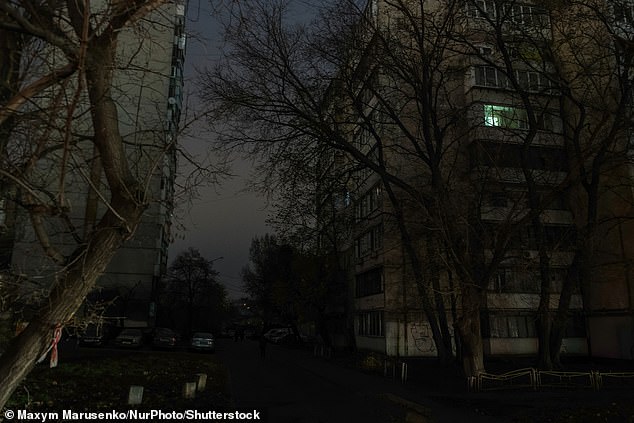
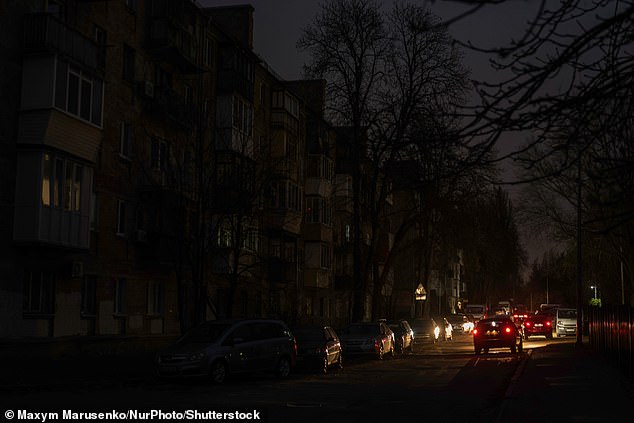
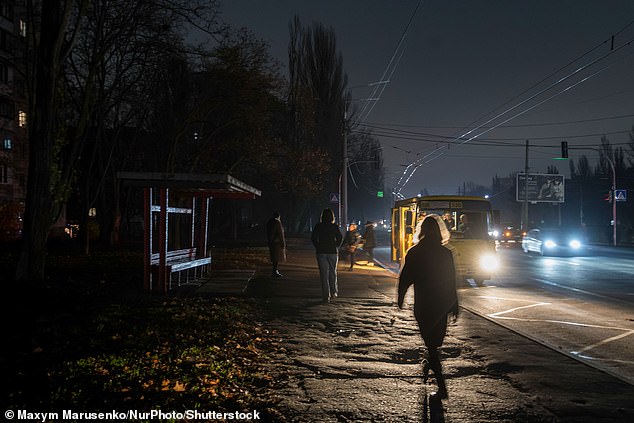
    Ukraine is working tirelessly to restore power and heating systems following a series of Russian attacks targeting its energy infrastructure. The state-owned power provider reported that generating capacity had been reduced to “zero” after the strikes, causing widespread disruption across the country.

    Russian forces have intensified their attacks on Ukrainian infrastructure in recent months, launching hundreds of drones at energy facilities overnight into Saturday. These attacks have significantly impacted electricity, heat, and water supplies in several cities. The state power company Centerenergo warned that its generating capacity was down to zero, with an unprecedented number of missiles and countless drones targeting thermal power plants that had only recently been restored after previous attacks.

    Power outages are expected to last between eight and 16 hours daily across most regions of Ukraine on Sunday, as repairs are carried out and energy sourcing is redirected. The energy minister described this as one of the most difficult nights since Russia’s invasion began in February 2022. Although the situation has somewhat stabilized, areas such as Kyiv, Dnipropetrovsk, Donetsk, Kharkiv, Poltava, Chernigiv, and Sumy may still experience regular power cuts.


    The Russian attacks included ballistic missiles, which are extremely difficult to intercept. The energy minister noted that it was hard to recall such a large number of direct strikes on energy facilities since the start of the invasion. Additionally, Russian drones targeted two nuclear power substations deep in western Ukraine, raising concerns about nuclear safety. The substations power the Khmelnytskyi and Rivne nuclear plants, located approximately 75 and 59 miles from Lutsk, respectively.

    Ukrainian Foreign Minister Andriy Sybiga called for an urgent meeting of the International Atomic Energy Agency (IAEA) Board of Governors, urging them to respond to the risks posed by these attacks. He also urged China and India, major buyers of Russian oil, to pressure Moscow to stop its attacks.

    Ukraine’s air force reported that it successfully shot down 406 drones and nine missiles out of the 458 drones and 45 missiles launched by Russia overnight. However, experts warn that the strikes on energy infrastructure could lead to heating outages as winter approaches.

    Russia has repeatedly targeted Ukraine’s power and heating grid throughout its nearly four-year invasion, destroying a significant portion of key civilian infrastructure. The attack overnight into Saturday marked the ninth massive assault on gas infrastructure since early October, according to Ukraine’s energy company Naftogaz.


    A report by Kyiv’s School of Economics estimated that the attacks have shut down half of Ukraine’s natural gas production. Oleksandr Kharchenko, Ukraine’s top energy expert, warned that if the capital’s two power and heating plants were offline for more than three days when temperatures fall below minus 10C, it could result in a “technological disaster.”

    Ukrainian cities, which rely heavily on central heating, must prepare contingency plans to prevent buildings from freezing if heating supplies are destroyed. In response, Ukraine has increased its strikes on Russian oil depots and refineries, aiming to cut off Moscow’s vital energy exports and trigger fuel shortages.

    Fires broke out at a power plant in the western Kursk region and the southern Voronezh region following Ukrainian strikes, according to regional governors. Belgorod Governor Vyacheslav Gladkov reported severe damage to the electricity and heating supply network in the regional capital, leaving more than 20,000 residents without power.

    In response to the attacks on refineries over the summer, Russian authorities extended a ban on petrol exports until the end of October to curb rising fuel prices. As the conflict continues, the question remains: will Russia’s energy-striking tactics leave millions of Ukrainians in the cold during a harsh winter?

  • Precious Cornerstone University Honors Jerry Eze, Joshua Selman and More

    Precious Cornerstone University Honors Jerry Eze, Joshua Selman and More

    Honoring Spiritual Leaders at Precious Cornerstone University’s Convocation

    Precious Cornerstone University (PCU), a faith-based tertiary institution under The Sword of the Spirit Ministries, is set to celebrate its 4th Convocation and 7th Founder’s Day Ceremony on Tuesday, November 11, 2025. This significant event will honor five distinguished Nigerian clergymen with Honorary Doctorate Degrees in recognition of their exceptional contributions to spiritual leadership, humanitarian service, and national and global development.

    The recipients include Pastor Nathaniel Bassey, Pastor Poju Oyemade, Pastor Jerry Eze, Apostle Joshua Selman, and Pastor Sola Osunmakinde. These individuals have been chosen for their transformative impact in ministry, nation-building, philanthropy, and the promotion of higher education in Nigeria and beyond.

    Bishop Francis Wale Oke, Chancellor of PCU and National President of the Pentecostal Fellowship of Nigeria (PFN), emphasized that the selection process was rigorous and based on the honourees’ outstanding achievements. “These men of God have demonstrated transformative leadership through their teachings, conferences, and global outreach. The University’s Senate and Governing Council found them worthy of public recognition and the prestigious Doctor Honoris Causa awards,” he stated.

    The ceremony will bestow various honorary degrees, including Doctor of Humane Letters (Honoris Causa), Doctor of Science (Honoris Causa), Doctor of Divinity (Honoris Causa), Doctor of Letters (Honoris Causa), and Doctor of Liberal Studies (Honoris Causa).

    Week-Long Convocation Activities

    The week-long convocation activities, themed “The Trailblazer Set,” will also include the conferment of first degrees and prizes on 143 graduating students. This brings the University’s total number of graduates to 456 since its inception.

    About the Honourees

    Pastor Nathaniel Bassey, a gospel music minister and trumpeter, is renowned for the globally acclaimed Hallelujah Challenge, a viral online worship movement. He pastors The Oasis, the youth church of RCCG King’s Court, Lagos.

    Pastor Poju Oyemade, founder of The Covenant Nation (TCN) and convener of the annual West Africa Faith Believers’ Convention (WOFBEC), is known for his profound teachings on faith, leadership, and societal transformation.

    Pastor Jerry Uchechukwu Ezeis the founder of Streams of Joy International and convener of the New Season Prophetic Prayers and Declaration (NSPPD), an online prayer movement with millions of daily participants worldwide.

    Apostle Joshua Selman, founder of Eternity Network International (Koinonia Global), is widely celebrated for his deep spiritual teachings on intimacy with God and Kingdom principles.

    Pastor Sola Osunmakinde, founder of Household of David Church and convener of the Mercy Conference, is known for his practical, purpose-driven messages. He currently serves as Treasurer of the PFN Lagos Chapter.

    About Precious Cornerstone University

    Established by The Sword of the Spirit Ministries and approved by the Federal Government of Nigeria on December 6, 2017, PCU is committed to academic excellence, moral integrity, and entrepreneurship. The University’s vision is to raise transformational leaders, original thinkers, and job creators through research-driven learning and faith-based education.

    PCU continues to distinguish itself through innovative academic programs, entrepreneurial development, and a strong commitment to biblical values and societal impact.

    Additional Content from Nigerian Tribune TV

    WATCH TOP VIDEOS FROM NIGERIAN TRIBUNE TV
    Back to School, Back to Business A Fresh Start
    Relationship Hangout: Public vs Private Proposals – Which Truly Wins in Love?
    “No” Is a Complete Sentence: Why You Should Stop Feeling Guilty
    Relationship Hangout: Friendship Talk 2025 – How to Be a Good Friend & Big Questions on Friendship
    Police Overpower Armed Robbers in Ibadan After Fierce Struggle

    Provided by SyndiGate Media Inc. (Syndigate.info).

  • James Watson, DNA Co-Discoverer and Nobel Laureate, Dies at 97

    James Watson, DNA Co-Discoverer and Nobel Laureate, Dies at 97

    The Life and Legacy of James Watson

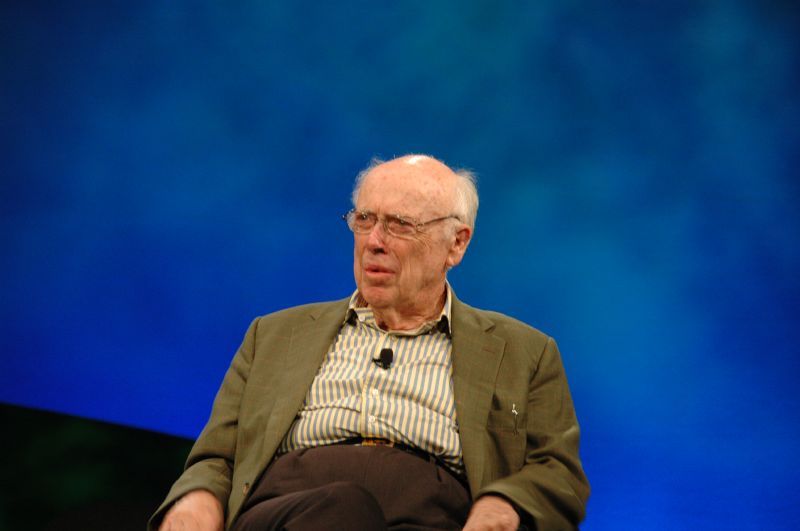
    James Watson, a pioneering American scientist and co-discoverer of the DNA structure, passed away at the age of 97. His groundbreaking work with Francis Crick in 1953 unveiled the double-helix structure of DNA, a discovery that revolutionized the fields of biology and medicine. Their research illuminated how genetic information is stored and transmitted, earning them and Maurice Wilkins the 1962 Nobel Prize in Physiology or Medicine.

    At the time of their discovery, Watson and Crick famously declared, “We have discovered the secret of life.” This statement marked a turning point in scientific history, laying the foundation for modern genetics and molecular biology.

    Watson spent much of his career at the Cold Spring Harbor Laboratory (CSHL) in New York, where he led the institution for several decades. However, his legacy was marred by controversy following remarks he made about race and intelligence. In a 2007 interview withThe Times, he suggested that there were genetic differences in intelligence between races, stating, “I am inherently gloomy about the prospect of Africa,” and adding that “all our social policies are based on the fact that their intelligence is the same as ours whereas all the testing says not really.”

    These comments sparked widespread condemnation, leading to his resignation as chancellor of CSHL. He later issued an unreserved apology, but the damage to his reputation was significant. In 2019, further remarks linking race and intelligence prompted the laboratory to strip him of his remaining honorary titles. A statement from CSHL described his statements as “reprehensible, unsupported by science.”

    The Discovery of DNA and Its Controversies

    DNA was first discovered in 1869, but its role as the genetic material in cells wasn’t confirmed until 1943. The molecule’s structure remained a mystery until Watson and Crick built their model using X-ray images produced by Rosalind Franklin at King’s College London. These images were reportedly obtained without her consent, a fact that has been widely criticized in recent years.

    Although Franklin died in 1958, she is now widely recognized for her crucial contributions to solving the DNA structure. At the time, however, her work was largely overlooked. Watson also faced criticism for sexist remarks in his 1968 memoir,The Double Helix, where he commented on Franklin’s appearance. Despite this, some former colleagues noted that he supported women scientists at Harvard in the 1950s and 60s, when few others did.

    Personal Life and Later Years

    Watson was born in Chicago in April 1928, the son of Jean and James Watson, descendants of English, Scottish, and Irish settlers. A gifted student, he entered the University of Chicago at 15, where he became interested in X-ray diffraction, a key technique in revealing atomic structures.

    He later studied at Cambridge University, where he met Crick and began building models of DNA. After their discovery, he joined Harvard University as a biology professor. Watson and his wife, Elizabeth, had two sons. One was diagnosed with schizophrenia, which inspired Watson to continue research into the genetic basis of mental illness.

    In 1968, he became director of Cold Spring Harbor Laboratory, transforming it into a leading global center for molecular biology research. It was the same institution that later confirmed his death.

    Financial and Personal Struggles

    In 2014, feeling isolated from the scientific community, Watson sold his Nobel medal for $4.8 million. The Russian buyer later returned it to him. This event highlighted the personal challenges he faced in the latter years of his life.

    Watson’s life and work remain a complex mix of scientific achievement and personal controversy. His contributions to genetics and molecular biology have left an indelible mark on the field, while his controversial statements have cast a long shadow over his legacy.