Category: News

  • Deep-Sea Mining Waste Threatens Global Fisheries and Marine Life

    Deep-Sea Mining Waste Threatens Global Fisheries and Marine Life

    The Hidden Dangers of Deep-Sea Mining

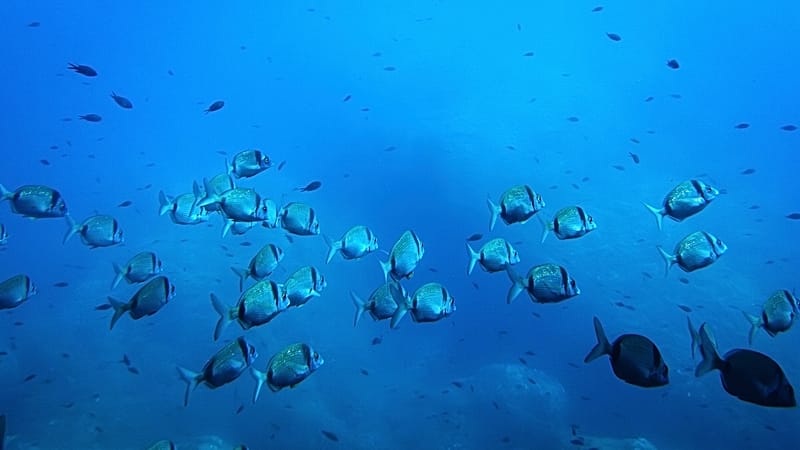
    Drilling for minerals deep in the ocean could have significant consequences for the tiny animals that form the foundation of the vast marine food web, ultimately affecting fisheries and the food we consume, according to a new study. This research highlights the potential risks associated with deep-sea mining, which involves extracting “polymetallic nodules” rich in critical minerals like copper, iron, and zinc from the seafloor.

    Although not yet commercialized, nations are increasingly pursuing deep-sea operations due to rising demand for these minerals in electric vehicles, energy transition technologies, and military applications. The study focuses on the environmental impact of waste generated during these mining activities.

    What the Study Discovered

    The University of Hawaii researchers examined water and waste samples collected from a deep-sea mining trial conducted in 2022. Their findings, published in the journalNature Communications, reveal that mining waste could affect a wide range of marine life, from tiny shrimp smaller than 2 millimeters to fish up to 5 centimeters long.

    This is because, after mining companies bring the mineral-rich nodules to the surface, they release excess seawater, ocean floor dirt, and sediment back into the ocean. This process creates a murky plume of particles similar in size to naturally occurring food particles consumed by zooplankton at that depth.

    Zooplankton make up more than half of the ocean’s zooplankton population. If these organisms consume the waste particles—referred to as “junk food” by senior study author Brian Popp—it can impact 60% of micronekton that feed on them. This undernourishment poses a problem since these tiny organisms serve as a crucial food source for higher trophic levels, including commercially important fish such as mahi mahi or tuna.

    Michael Dowd, the study’s lead author and an oceanography graduate student, explained: “Surface fish can dive down deep into the water; they feed on organisms down at depth. If these organisms down at depth are no longer present because their food web has collapsed, then that can impact higher food webs and more commercial interests.”

    Impact on the Water and Alternative Sources

    While other research has highlighted the negative environmental impacts of deep-sea mining, much of the focus has been on the seafloor. This study, however, examines mid-water effects. The researchers emphasize the need for further investigation into the appropriate quality and depth at which dirty water and sediment from sea mining should be returned to the ocean.

    They noted that returning the excess directly to the ocean floor or at other depths could be just as environmentally disruptive as in the “twilight zone,” albeit in different ways. Brian Popp suggested that digging up the deep sea might not be necessary, pointing to alternative sources of metals such as recycling batteries and electronics or sifting through mining waste and tailings.

    “If only a single company is mining in one single spot, it’s not going to affect a huge fishery. It’s not going to affect a huge amount of water. But if many companies are mining for many years and outputting a lot of material, this is going to spread across the region,” said Dowd. “And the more mining occurs, the more a problem it could be.”

    Where Deep-Sea Mining Stands

    It may not be feasible to simply halt ocean mining. The International Seabed Authority, which governs mineral activity beyond national jurisdiction, has already granted several exploration contracts. In the United States, former President Donald Trump expressed interest in deep-sea mining during tense trade negotiations with China, which has limited U.S. access to China’s supply of critical minerals.

    In April, Trump signed an executive order directing the National Oceanic and Atmospheric Administration (NOAA) to expedite the permitting process for companies to mine the ocean floor. In May, the administration announced plans to consider selling leases to extract minerals off the South Pacific island of American Samoa. Last month, NOAA sent a draft rule to the White House to streamline operations.

    Environmental groups have raised concerns about deep-sea mining, citing not only direct harm to wildlife but also the disturbance of planet-warming carbon dioxide currently stored in the ocean and on its floor.

    Sheryl Murdock, a deep-sea postdoctoral researcher at Arizona State University who was not involved in the study, emphasized the broader implications: “It was well laid out in the study that the impacts wouldn’t necessarily be just the depth that the plume is released. The question being: Is it worth a few minerals to potentially destroy the way that the oceans function?”

    Diva Amon, a marine biologist and postdoctoral researcher at the University of California, Santa Barbara, praised the research for examining potential consequences. “All of this could lead to species illness, species movement, species death. And depending on the scale of this, that could have graver repercussions, like species extinctions,” she said. “There’s a lot more research that needs to be done to be able to make an informed decision about how to manage this industry, if it does start, in a way that will prevent, essentially, serious harm to the ocean and ocean ecosystem.”

  • Exclusive: Ulsan Plant Collapse Tied to Reversed Demolition Plan

    Exclusive: Ulsan Plant Collapse Tied to Reversed Demolition Plan

    Safety Management Plan Reveals Critical Flaws in Dismantling Process

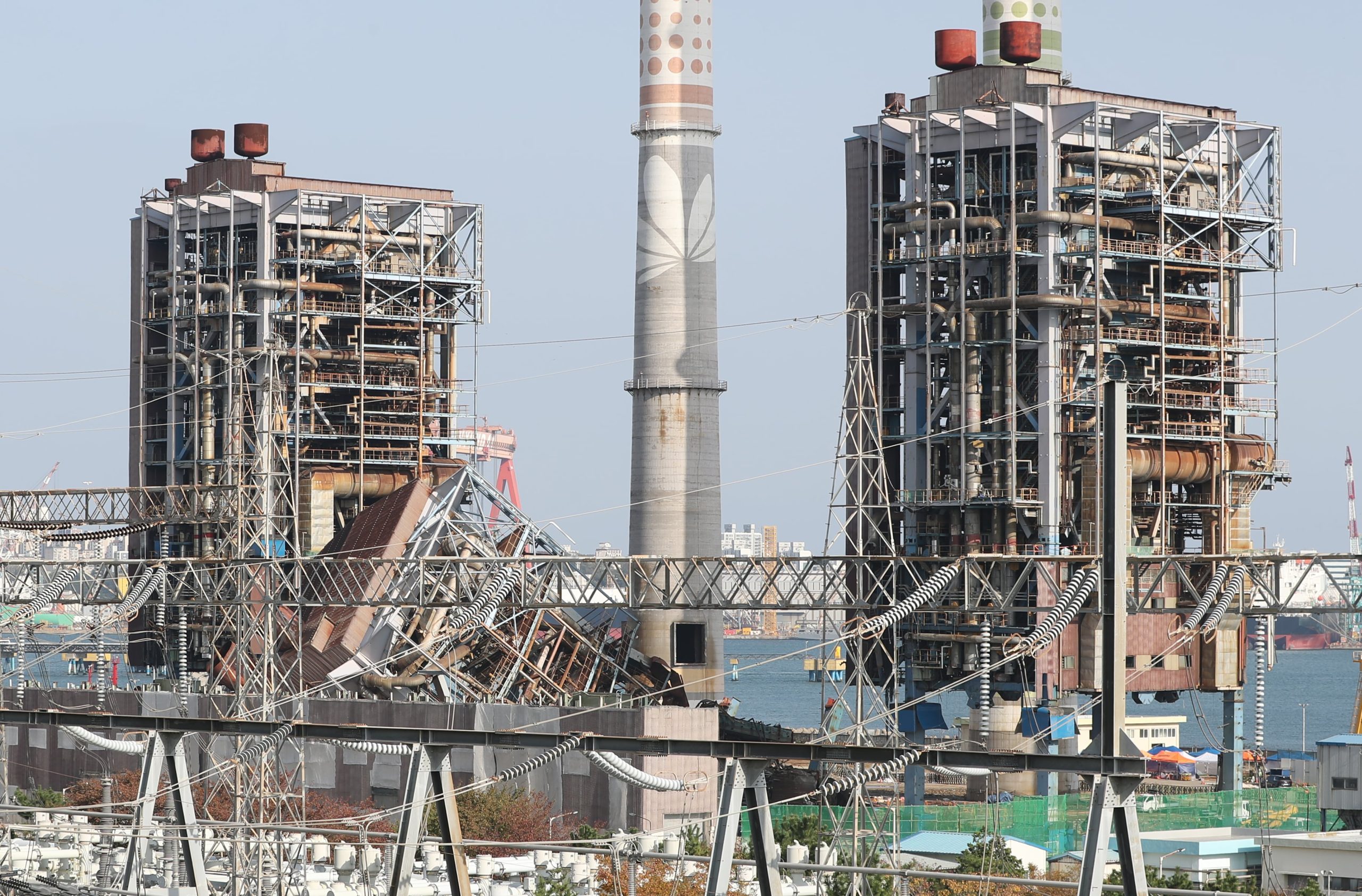
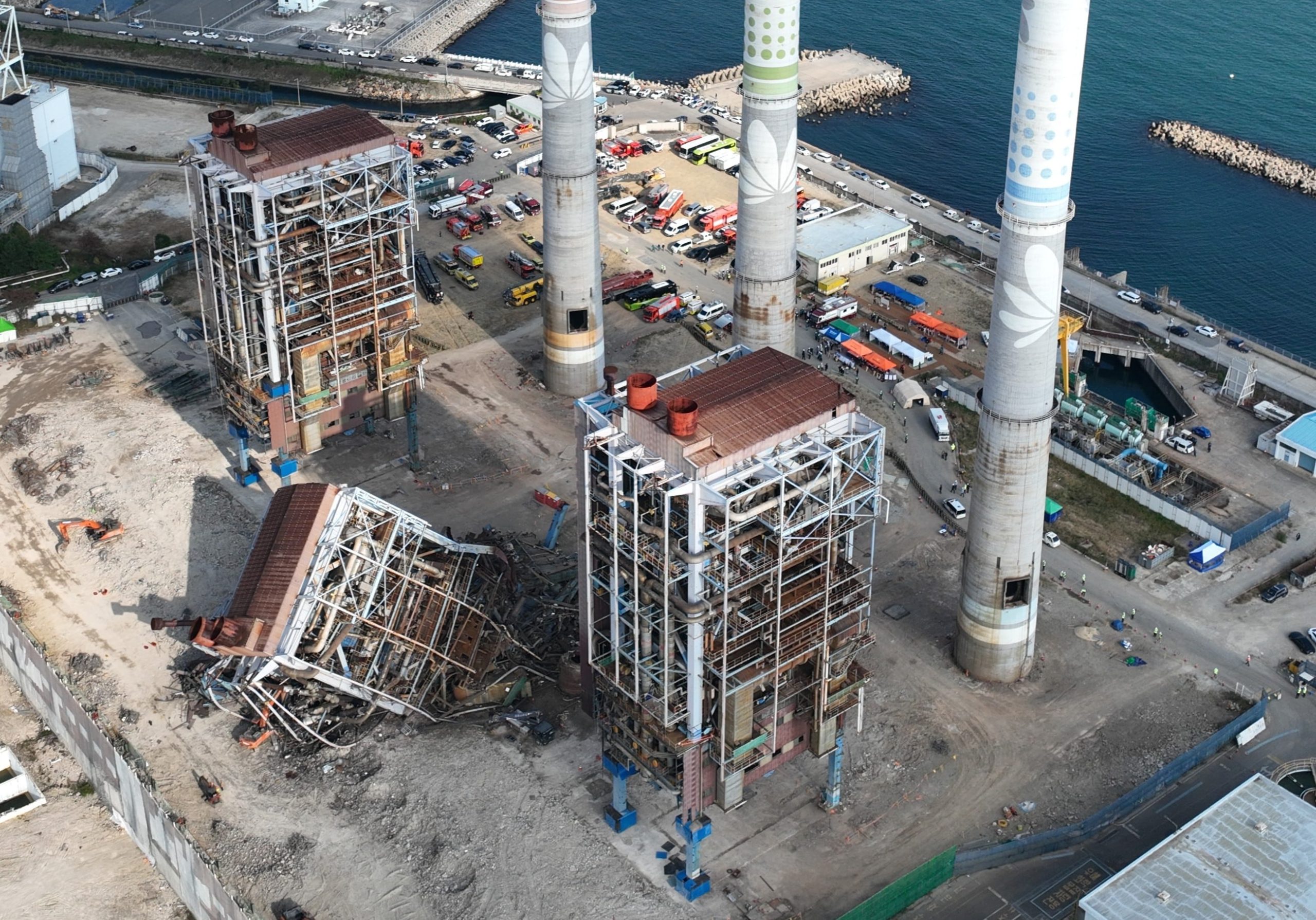
    On the 6th, an analysis of the ‘Safety Management Plan’ prepared by HJ Shipbuilding & Construction Co., the primary contractor involved in the dismantling of a boiler building at the Ulsan Thermal Power Plant, revealed significant discrepancies between the stated procedure and the actual implementation. The plan initially outlined that the structure should be dismantled “from the top down,” but the execution reportedly began from the bottom. This deviation has raised concerns among experts about the sequence of operations leading to the accident.

    Experts emphasized that in blasting dismantling, protective measures on upper sections must be completed before weakening lower structures. However, according to the plan documents, the lower sections were removed first. This inconsistency has prompted calls for a thorough investigation into whether the incorrect work sequence contributed to the incident.

    Risk Assessments and Countermeasures

    According to the ‘Ulsan Thermal Power Plant Units 4, 5, 6 Safety Plan,’ obtained through the office of Democratic Party of Korea Rep. Kim Seong-hoe, the company acknowledged the risk of workers being buried due to structural collapse during dismantling. As a countermeasure, it recommended that dismantling proceed from the upper to the lower sections.

    However, the detailed plan for the boiler building dismantling listed “removal of equipment and facilities within 10 meters of the lower boiler” as the first step. In practice, this meant starting the process from the lower section. Prof. Choi Myung-ki of the Korea Industrial Site Professor Group, who analyzed the report, stated, “Generally, structural dismantling should proceed from the top to the bottom.” He added, “Starting from the lower section inherently increases risks.”

    Blasting Procedures and Industry Criticisms

    The company planned to conduct weakening work after removing the lower section and to carry out protective measures at the final stage, with blasting as the last step. A representative from Koreacaco, the company responsible for the blasting, previously told this newspaper, “At the time of the accident, (the workers) had finished weakening the tower’s lower section and were heading up to perform protective measures,” emphasizing, “We followed the dismantling plan.”

    A demolition industry official criticized the approach, stating, “It is a basic principle to complete protective measures before weakening work.” They added, “It is incomprehensible to re-enter a weakened structure for further work.” Prof. Choi also pointed out, “While not explicitly regulated by law, conducting protective work on a structure with a weakened lower section poses safety issues.”

    Inconsistent Measurements and Potential Hazards

    The plan contained numerous basic errors, including inconsistent measurements. The ‘Project Overview’ section described the boiler building involved in the accident as “12 stories, 63.4 meters high,” while the ‘Key Management Measures’ section listed its height as “56 meters.” The ‘Major Structural Dismantling Plan’ also stated 56 meters. Prof. Choi warned, “In the field, even a 10 cm or 1 meter error can lead to major accidents.”

    These inconsistencies highlight a lack of precision and attention to detail, which could have serious implications for the safety of workers and the success of the dismantling project. The discrepancies in the plan suggest that there may have been lapses in communication and coordination between different teams involved in the project.

    Conclusion

    The findings from the analysis of the Safety Management Plan underscore the importance of adhering to established procedures and maintaining accurate documentation throughout the dismantling process. The reported deviations from standard practices raise serious questions about the safety protocols and the overall management of the project. As the investigation continues, it is crucial that all stakeholders take these lessons into account to prevent similar incidents in the future.

  • “Tragedy Strikes: Truck Kills 3 Students in Lagos, Viral Video Emerges

    “Tragedy Strikes: Truck Kills 3 Students in Lagos, Viral Video Emerges

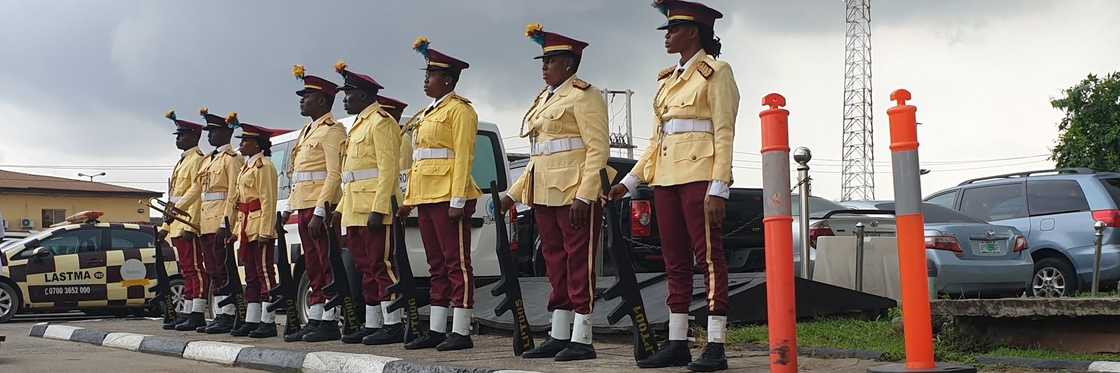
    Lagos, Nigeria – A devastating accident in Ikorodu, Lagos, has resulted in the loss of three students from Lagos State University of Science and Technology (LASUSTECH) after a sand-laden truck lost control due to brake failure.

    According to the Lagos State Traffic Management Authority (LASTMA), the fatal incident occurred around Powerline Junction, inward Ikorodu Roundabout.

    The sand-laden truck reportedly collided with several vehicles, causing injuries to seven others. LASTMA spokesperson, Adebayo Taofiq, confirmed the incident in a statement, explaining that the truck was traveling at high speed before it lost control and crashed into multiple vehicles and tricycles along the busy corridor.

    “In an incident of profound tragedy that cast a pall of grief over the Ikorodu metropolis, three promising students of the Lagos State University of Science and Technology, Ikorodu — two males and one female — lost their lives instantaneously in a fatal multiple-vehicle collision,” Taofiq said.

    He added that seven others, including tricycle operators, sustained serious injuries in the horrifying crash. The vehicles involved included a sand-laden tipper (unregistered), a Toyota Corolla (SMK 42 AJ), an MPV bus, and four tricycles.

    LASTMA stated that preliminary investigations by traffic operatives revealed that the truck’s excessive speed and mechanical brake failure caused the driver to lose control, leading to the deadly crash.

    Emergency responders from LASTMA, the Federal Road Safety Corps (FRSC), and the Nigeria Police were quickly mobilized to the scene. Taofiq mentioned that the injured victims were rushed to nearby hospitals, while the remains of the deceased students were deposited at the Ikorodu General Hospital mortuary.

    “Together, they swiftly conveyed seven critically injured victims to nearby medical facilities for urgent treatment, while the three deceased casualties were evacuated and deposited at the General Hospital, Ikorodu mortuary,” the statement read.

    LASTMA also confirmed that the wrecked vehicles had been removed to restore free vehicular movement in the area.

    The crash was “avoidable”, says LASTMA GM

    Reacting to the tragedy, the General Manager of LASTMA, Olalekan Bakare-Oki, expressed sadness over the deaths, describing the crash as “avoidable.”

    Bakare-Oki urged truck operators and commercial drivers to maintain their vehicles and avoid overspeeding.

    “This tragedy is avoidable. Overspeeding, poor vehicle maintenance, and defective braking systems continue to cause, on Lagos roads,” he lamented.

    Fatal accident claims 6 lives in Lagos

    Earlier reports indicated that a fatal accident occurred along the Lekki–Epe Expressway in Lagos state on Monday, September 1, 2025. The road crash led to the death of 6 people, and nine others were seriously injured in the tragic incident.

    The general manager of LASTMA, Mr Olalekan Bakare-Oki, provided more details about the tragic incident.

  • NSMQ 2025: Instructors Accused of Failing Stephen Apemah-Baah

    NSMQ 2025: Instructors Accused of Failing Stephen Apemah-Baah

    Fan Criticizes OWASS Management After NSMQ 2025 Performance

    A fan of the National Science and Maths Quiz (NSMQ) has voiced his frustration with the management of Opoku Ware Senior High School (OWASS), particularly in relation to the performance of their star contestant, Stephen Apemah-Baah. The fan accused the school’s teachers and management of not providing adequate support to their representatives during the competition, which resulted in OWASS finishing third in the NSMQ 2025 edition.

    In a video that has sparked significant online discussion, the fan highlighted that Stephen is a talented student who could have potentially won the trophy if given better support. He pointed out that the school did little to help Stephen, despite his consistent participation in the competition over three years.

    “Teachers of OWASS did not help Stephen one bit. The school did not help the boy at all. He stood three times and did not win any. The boy has the vision, but you failed him. Imagine if Stephen had attended either PRESEC or Mfantsipim — would this have been his story?” he exclaimed.

    The video has generated a wide range of reactions from viewers, with many commenting on the challenges faced by Stephen during the competition.

    • PHARADYSE ⚽️ wrote: “Bro the questions were more of biology and Stephen is too good in physics and Chemistry.”
    • Nana Yaw(EBJ) wrote: “He has 3 years experience in the competition, John has 2 years in the competition, you all complaining that the questions were biology what was he doing in those years?”
    • blackjesus💛🖤💚🔥 also wrote: “The organisers can not be trusted massa.”
    • Dimples ❤️🥰 wrote: “They didn’t help in spiritual.”

    The fan’s comments have raised important questions about the role of schools in supporting their students during high-stakes academic competitions like the NSMQ.

    Stephen Apemah-Baah’s Journey

    Stephen Apemah-Baah has become a notable figure in the NSMQ, representing OWASS with distinction. His journey began when he first represented his school in Form 1, leading them to the finals. In his second year, he reached the finals again alongside other outstanding students. By his third year, he led the school to the finals once more, securing a third-place finish in the 2025 edition.

    Despite not winning the top prize, Stephen was recognized for his contributions with a special trophy and a cash prize of GH₵5,000. His performance has been praised by many, highlighting his dedication and brilliance.

    Mfantsipim Crowned Champions

    Mfantsipim School emerged as the winners of the 2025 NSMQ, marking their fourth title in the competition. They now share the record with Prempeh College and St. Augustine’s College, both of whom also have four titles each. Presbyterian Boys’ Secondary School (PRESEC, Legon) remains the most successful school with eight titles.

    Mfantsipim received a prize package worth GH₵70,000 (≈ $6,500), including insurance for the contestants, scholarship packages, and additional prizes such as laptops and other items from sponsors. The school also awarded their three contestants a free trip to Dubai, accompanied by one teacher.

    In an interview with JoyNews, the Vice President of the Old Students Association expressed confidence in Mfantsipim’s ability to return next year and win the 2026 trophy, celebrating the school’s 150th anniversary.

    Mfantsipim Contestants Share Favorite Girls’ Schools

    Earlier reports highlighted a story where the Mfantsipim NSMQ contestants shared details about themselves, including their favorite girls’ schools. When asked to choose between Wesley Girls’ High School and Holy Child Senior High School, the students made their selections, sparking discussions among viewers about their choices.

  • Lee Government Speeds Up Coal Plant Demolitions Over Safety Fears

    Lee Government Speeds Up Coal Plant Demolitions Over Safety Fears

    A Tragic Incident Sparks Concerns in Coal Plant Demolition Efforts

    A tragic incident involving a human casualty occurred at the demolition site of the Ulsan Dongseo Power Plant on the 6th, raising concerns about the safety and management of ongoing coal plant decommissioning projects. This event has come amid growing pressure to shut down 28 coal-fired power plants by 2036, as part of broader efforts to reduce carbon emissions and transition toward cleaner energy sources.

    The government’s plan to completely phase out coal-fired power generation by 2040 is expected to accelerate the pace of demolition work. According to the Ministry of Climate, Energy and Environment’s coal power phase-out strategy, which is based on the 10th and 11th Basic Plans for Electricity Supply and Demand, 28 of the current 61 operational coal-fired power plants will be closed by 2036. An additional 12 units are scheduled to be shut down by 2038. The process will begin with the closure of Taean Coal Power Plant Unit 1 next month, followed by Hadong Unit 1, Boryeong Unit 5, and Taean Unit 2 in the coming year.

    Delayed Demolitions Due to Safety Issues

    Many coal-fired power plants have already ceased operations but remain undemolished due to various challenges. For example, Korea South-East Power’s Samcheonpo Units 1 and 2 were permanently closed in 2021, but demolition has been delayed because of safety concerns related to the nearby operational Units 3 and 4. Similarly, Korea Midland Power’s Boryeong Units 1 and 2, which were closed in 2020, remain standing because adjacent Units 3–6 are still in operation. Korea Western Power also ended operations at the Pyeongtaek Thermal Power Plant in January of this year, but its demolition is yet to begin.

    These delays highlight the complexity involved in decommissioning aging infrastructure. The process requires careful planning to ensure that neighboring operational units are not affected, and it often involves extensive risk assessments and safety protocols.

    Early Closures Under Consideration

    In addition to the planned closures, there are discussions about potentially closing some currently operational coal-fired plants earlier than their expected 30-year lifespan. Typically, coal plants are either converted to liquefied natural gas (LNG) power generation or shut down after 30 years of operation. However, the government’s push for decarbonization may lead to early closures.

    Recent adjustments to the 2035 National Greenhouse Gas Reduction Target (NDC), set at 50–60% or 53–60% of 2018 emissions, could further speed up this transition. While industry stakeholders previously argued that a 48% reduction was already challenging, the government has raised the minimum target to 50%. By 2040, 21 coal plants will still be under 30 years old, indicating that the phase-out timeline remains ambitious.

    Rising Tensions in the Power Industry

    As the demand for demolition increases, tensions within the power industry are growing. A source from a power company stated, “Coal plant boiler equipment is large, complex, and involves dismantling 30–40-year-old facilities, posing significant risks. With legislation underway to dismiss public institution heads in case of major accidents, planning demolition is understandably cautious.”

    Following the Ulsan incident, the Ministry of Climate, Energy and Environment halted demolition work at other coal plants on the 6th. This includes Honam Coal Power Units 1 and 2, which began demolition in July of last year, and Seocheon Coal Power in Chungnam, which completed blasting in May of this year and was processing remaining debris.

    Ongoing Challenges and Future Outlook

    The demolition of coal-fired power plants is a complex and high-risk process, requiring meticulous planning and execution. As the government moves forward with its decarbonization goals, balancing safety, efficiency, and environmental concerns will be crucial. The recent incident in Ulsan serves as a reminder of the challenges ahead and the need for continued vigilance in managing these transitions.

  • Ecolabels: Which EU Nations Lead in Sustainable Products?

    Ecolabels: Which EU Nations Lead in Sustainable Products?

    Italy Leads in Sustainable Goods within the EU

    Italy has emerged as a leader in the European Union when it comes to sustainable goods, according to recent data from the European Commission. The country markets nearly 19,000 products that carry the EU Ecolabel, a certification designed to identify products with a lower environmental impact throughout their entire lifecycle.

    The Ecolabel was introduced in 1992 to encourage greener industrial practices and help both consumers and businesses make more sustainable choices. Today, over 100,000 goods and services across Europe have this label. Spain follows Italy as the second most prolific country, with around 16,000 Ecolabel-certified products, followed by France (13,000), Germany (10,000), and Portugal (7,000). The reach of the Ecolabel continues to grow, with a 15% increase in licenses since 2024.

    Sectors Driving Green Certification

    The largest certified sector is paints and varnishes, with approximately 38,000 licenses, which account for more than one-third of all Ecolabels. However, it’s important to note that this does not mean that paints have suddenly become non-polluting. Volatile organic compounds (VOCs) found in traditional paint products can be as harmful to human health as car emissions.

    According to Paints for Life, an online platform promoting sustainable paints and coatings, VOCs are present in nearly all traditional and commercially available paints. These compounds can emit toxins into indoor air, which are then inhaled by people in the room. “VOCs are a wide array of gases or fumes that come off of paints and are potentially hazardous from the first moments of exposure till, in some cases, years after, while doing repair works,” the platform explains.

    In recent years, developers have started working on less harmful alternatives. One notable example is Airlite, an EU-funded project that developed a paint using nanoparticles instead of toxic chemicals. This innovative paint breaks down VOCs and airborne pollutants while also repelling bacteria, viruses, and mold spores.

    Emerging Sectors and New Certifications

    The sector with the second-largest number of awarded products is papers, with 28,697 certifications, followed by cleaning items, which have 14,912. Tourism is also seeing growth, with around 900 establishments now meeting Ecolabel standards. More than 60 new licenses were granted in the first part of the year alone.

    The list of eligible sectors has expanded further, including pet care products. This came about after a dog shampoo produced in Catalonia became the first in its category to receive the Ecolabel certification.

    Costs and Benefits of Ecolabel Certification

    Ecolabels fall under the International Organization for Standardization (ISO) family, specifically Type I ISO 14024. The certification can be awarded by a public body or a private party, such as NGOs, industry groups, or a combination of stakeholders. Applicants must follow predetermined steps indicated by EU authorities. There is no single EU body awarding the certification; each relevant national body makes the decision.

    Getting an Ecolabel is not free of charge. Applications range from €200 to €350 for micro-enterprises, while fees for SMEs go from €200 to €600. For other companies, applications are charged between €200 and €2,000. Some discounts are available, such as a 30% reduction for companies registered under the Eco-Management and Audit Scheme (EMAS) and a 15% discount for those certified under ISO 14001. These discounts are not cumulative.

    In addition to the application fee, there might also be an annual fee to pay, which can be flat or based on the product’s annual sales within the EU. While the Ecolabel certification itself does not grant tax cuts, being eligible might increase the chances of falling under taxation schemes that reward green practices.

  • Last OWASS Winner Shines in Music After NSMQ Victory

    Last OWASS Winner Shines in Music After NSMQ Victory

    From NSMQ Champion to Multifaceted Innovator

    Paul Azunre, who led Opoku Ware School to victory in the 2002 National Science and Maths Quiz (NSMQ), has since transformed into a renowned scientist and musician known as Dr. Pushkin. His journey from a young quiz competitor to an influential figure in both science and music is a testament to his versatility and passion.

    A Legacy of Academic Excellence

    Paul Azunre first gained recognition in 2002 when he led Opoku Ware School (OWASS) to a historic win in the NSMQ. That rare victory marked a significant milestone for OWASS, though it would be their last triumph in the competition. Following this success, Paul continued his education, pursuing engineering and eventually earning advanced degrees abroad. His drive for problem-solving and innovation led him into the field of artificial intelligence and machine learning.

    Pioneering AI for African Languages

    Over the years, Paul Azunre has become a key advocate for developing AI tools tailored for African languages. His work focuses on making technology more accessible to local communities while preserving linguistic heritage through digital innovation. This mission reflects his commitment to bridging the gap between traditional cultures and modern technology.

    The Art of Music and Storytelling

    In addition to his scientific endeavors, Paul Azunre has explored his creative side through music. Under the stage name Dr. Pushkin, he blends hip-hop, Afro-fusion, and poetic lyricism, using his art to tell African stories and inspire creativity. His music often highlights social themes, self-awareness, and African identity, resonating with audiences who appreciate thoughtful and meaningful content.

    A Unique Fusion of Science and Art

    Paul’s background as an NSMQ champion is evident in the precision and discipline of his work, while his music showcases emotional depth and creativity. He has performed on major stages, collaborated with other artists, and used digital platforms to share his story with a growing global audience. His journey from the NSMQ stage to international recognition as Dr. Pushkin proves that intelligence and artistry can coexist beautifully.

    A New Chapter in Music

    Paul Azunre’s musical journey began after his achievements in science, as he sought to explore his love for music. His genre combines elements of hip-hop, Afro-fusion, and poetic lyricism, reflecting both his analytical mind and deep cultural roots. Through his songs, he continues to celebrate African culture and inspire creativity across generations.

    Emotional Moments at the NSMQ

    While Paul Azunre has achieved great success, the NSMQ remains a significant part of his story. In 2025, Opoku Ware School once again fell short in the final of the NSMQ, with Mfantsipim School securing victory. Stephen Apemah Baah, a contestant from Opoku Ware, appeared visibly upset after the quiz ended. The emotional moment, which has since gone viral, captured his disappointment as the school finished with 29 points, behind St. Augustine’s with 42 and Mfantsipim with 56.

  • China commissions third aircraft carrier, Xi attends ceremony

    China commissions third aircraft carrier, Xi attends ceremony

    China Commissiones Its Third Aircraft Carrier, the Fujian

    Beijing has officially commissioned its third aircraft carrier, the Fujian, in the southern island province of Hainan. The event was reported by a state news agency, highlighting the significance of this development for China’s naval capabilities.

    President Xi Jinping attended a ceremony on Wednesday at a naval port in Sanya to mark the Fujian’s entry into service. This marks a major milestone as the Fujian is not only China’s largest aircraft carrier but also the first to be equipped with an advanced electromagnetic catapult system. This technology allows for faster takeoff of fighter jets, significantly enhancing operational efficiency.

    The addition of the Fujian ensures that one of the three carriers can always be deployed for operations, while the other two undergo training or maintenance on a rotating basis. This strategic approach ensures continuous readiness and capability for maritime operations.

    Strategic Implications and Capabilities

    The over 80,000-ton vessel is part of Beijing’s broader ambition to build a military force capable of deterring U.S. military intervention should China attempt to seize Taiwan, which it claims as part of its territory. The Fujian can operate as part of a two-carrier fleet with China’s other vessels, such as the Liaoning or the Shandong, thereby enhancing the navy’s offshore patrol and defense capabilities.

    Construction of the third carrier reportedly began in 2016, with its launch in June 2022. It is said to be capable of carrying between 60 to 70 aircraft, making it a formidable asset in the region.

    After the ceremony, which was attended by approximately 2,000 navy personnel and other representatives, Xi inspected the Fujian. On its flight deck, three catapult launch positions were displayed, with carrier-based warplanes—including the J-35 stealth fighter, J-15T heavy fighter jet, and KJ-600 early warning and control aircraft—parked in sequence.

    Technological Advancements and International Reactions

    The Fujian is the second aircraft carrier in the world to feature an electromagnetic catapult system, following the U.S. Navy’s Gerald R. Ford. President Xi personally decided to adopt this technology for the vessel, which is named after Fujian Province on China’s southeast coast, facing Taiwan.

    Taiwan’s Defense Ministry expressed concerns, stating that the Fujian still needs to undergo various training and certification processes before reaching full combat capability. They added that they can effectively monitor and respond to the carrier’s activities by gathering intelligence.

    In Tokyo, Chief Cabinet Secretary Minoru Kihara mentioned that Japan will “closely monitor” Chinese military activities, including those of the Fujian, near the country and “calmly and resolutely” respond to them. He emphasized that the Chinese military aims to enhance its operational capabilities in distant seas and airspace with the introduction of the new carrier. “We will take all possible measures to ensure vigilance and surveillance” in areas near Japan, he added.

    Future Developments and Regional Dynamics

    Hong Kong media reported last year that the construction of China’s fourth aircraft carrier, which could be nuclear-powered, appears to have begun in the northeastern port city of Dalian. This suggests that China is actively expanding its naval capabilities beyond the current three carriers.

    The U.S. Naval Institute, a nonprofit military association, warned in 2020 that the Chinese People’s Liberation Army Navy could possess up to six carriers by 2035. This projection underscores the growing strategic importance of China’s naval expansion.

    China’s first aircraft carrier, the Liaoning, is a refurbished Soviet-made vessel purchased from Ukraine in the late 1990s that was commissioned in 2012. The second carrier, the Shandong, officially started service in 2019. Both of them feature a “ski-jump” takeoff ramp. In June of this year, the Liaoning and the Shandong were seen operating simultaneously in the Pacific for the first time.

    In September, the Fujian traveled to the South China Sea via the Taiwan Strait as part of its multiple sea trials, according to the Chinese navy. This movement highlights the carrier’s increasing role in regional operations and strategic presence.

  • Residents protest ‘droopy and browning’ Christmas tree called a ‘Temu special’

    Residents protest ‘droopy and browning’ Christmas tree called a ‘Temu special’

    A Dying Christmas Tree Causes Outrage in Wisbech

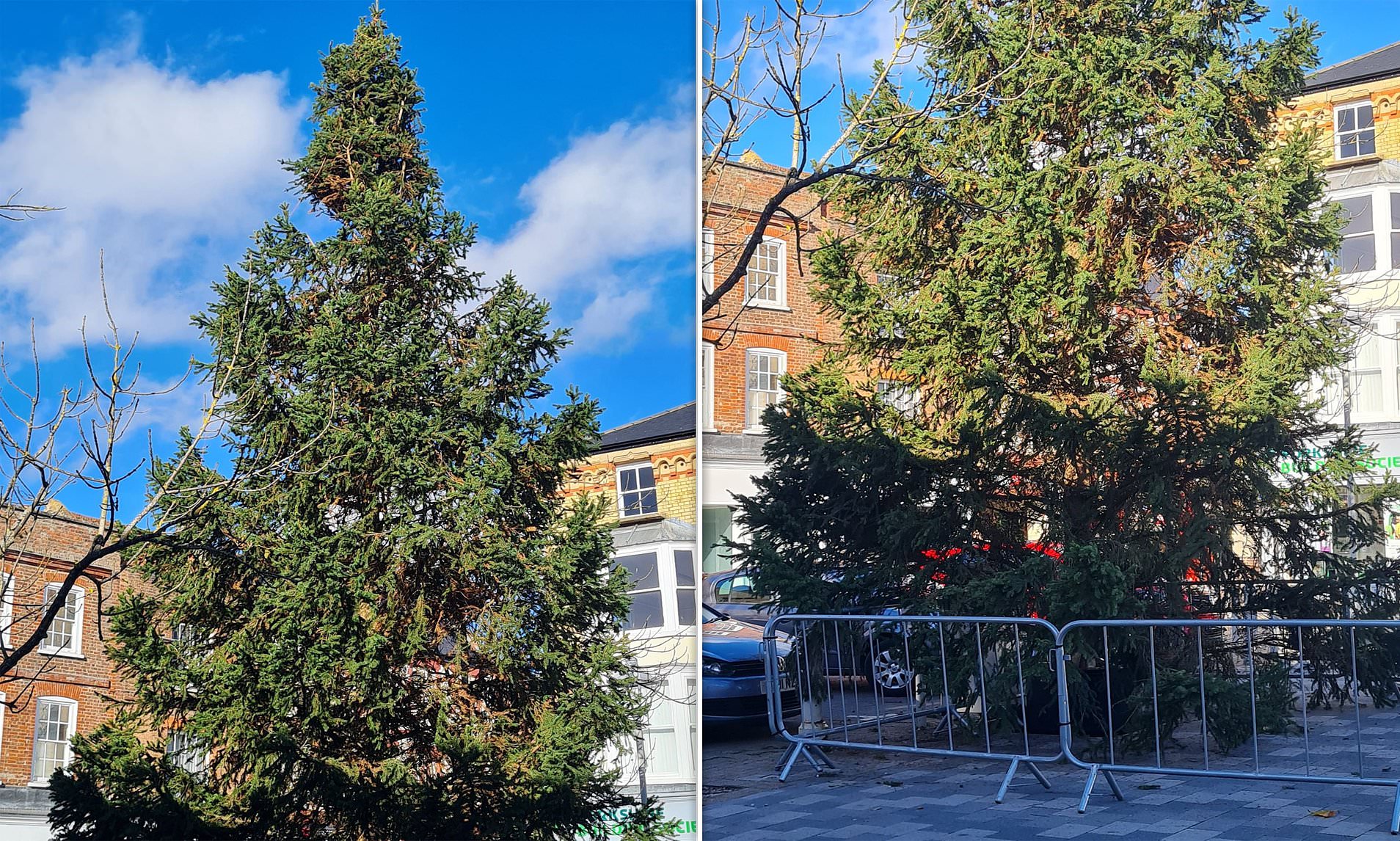
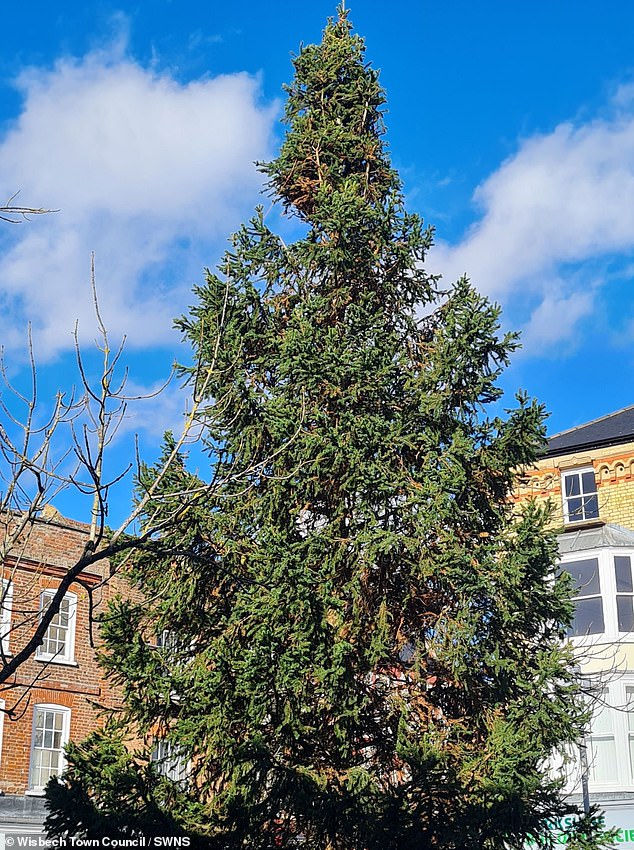
    Residents of Wisbech, a town in Cambridgeshire, have expressed their frustration over a Christmas tree that has been described as ‘droopy and browning.’ The tree, which was placed in the town centre on November 4, has been criticized for its poor condition, with some calling it a ‘Temu special.’ The local council has also condemned the tree, referring to it as an ‘absolute disgrace.’

    The tree, believed to have cost around £1.6k, was visibly in poor shape, with brown patches, drooping branches, and a lack of fullness. One passer-by commented, ‘Absolutely diabolical. It’s not even straight. There’s more dead in that than there is green.’ Another local, Jon Lilley, remarked that he had ‘seen better roadkill!’ while Shaun Taylor joked it was a ‘Temu special.’

    A local resident added, ‘This was obviously supplied by Ebeneezer Scrooge. I wonder how many pennies this cost, what a state.’ Meanwhile, another person questioned if the tree had been kept from last Christmas.


    Council Takes Action

    Wisbech Town Council took swift action after realizing the tree was not up to standard. They reached out to the supplier and demanded a replacement. In a post shared on November 4, the council stated, ‘We have immediately been on to the provider and demanded a replacement.’

    A spokesperson for the council explained, ‘The Christmas tree which has been delivered to Wisbech this year is not of the quality which had been expected by the council. Consequently, the council contacted the supplier of the tree to achieve a remedy to the situation.’

    Terry Jordan, the council’s clerk, confirmed that the original 35ft tree had been replaced by a shorter one standing at 28ft. He described the new tree as a ‘very good healthy specimen.’ According to the supplier, the dry summer had affected the quality of taller trees, making it harder for them to absorb nutrients and water.

    Mr. Jordan noted that upon inspection, they found some areas with dead branches and gaps in the original tree. He explained, ‘It’s a simple case of like when you order any goods that are not 100%, go back to the supplier.’ The supplier then sent a new tree, which has now been installed and is well-received by the council.

    Other Christmas Trees Face Similar Criticism

    The issue with the Wisbech tree is not unique. Other towns have also faced backlash over their Christmas decorations. For instance, Trafalgar Square’s Christmas tree has been criticized for its ‘dead branches’ and ‘unwell’ appearance. Locals are questioning whether the tradition is still charming or if it has become a spectacle marred by poor quality.

    In Cardigan, a £4000 Christmas tree has been called a ‘nightmare,’ with some suggesting it should be replaced with a natural one. Meanwhile, the iconic Trafalgar Square tree, gifted by Norway, has sparked annual drama due to its ‘unwell’ look.

    Local traders in Wivenhoe are also suffering amid a stand-off over the town’s historic tree, highlighting the broader impact of such issues on communities.

    As the festive season approaches, the focus on the quality of Christmas decorations continues to grow, with residents and local authorities alike demanding better standards.

  • South Korea Names 100 National Scientists, Seeks 2,000 Global Experts

    Government Launches Ambitious Plan to Cultivate Scientific Talent

    The government has unveiled a comprehensive strategy aimed at strengthening South Korea’s scientific and technological landscape. The initiative includes selecting 100 national scientists and attracting 2,000 overseas researchers by 2030. This move is part of a broader effort to reverse the trend of talent outflow and ensure that the country remains competitive in key technological fields.

    Selecting 100 National Scientists by 2030

    To address the issue of talent retention, the Ministry of Science and ICT plans to designate domestic researchers with exceptional achievements as “National Scientists.” These individuals will be selected annually, with 20 chosen each year over the next five years, totaling approximately 100 by 2030. Each selected scientist will receive around 100 million Korean won in annual research support funds, allowing them to continue their R&D work without financial constraints.

    In addition to this, the government has announced plans to expand AI education by establishing new AI gifted schools in North Chungcheong Province and Gwangju. Existing AI science and gifted schools will also be expanded. Regional science and technology institutes will be designated as AX innovation hubs, further promoting collaboration and innovation.

    Attracting Overseas Researchers

    The plan also focuses on attracting 2,000 overseas outstanding and emerging researchers by 2030. These researchers will be concentrated in core strategic technology areas such as artificial intelligence (AI), quantum computing, and advanced biotechnology. To make South Korea more attractive for international researchers, the government will improve study visa conditions. This includes extending the internship allowance period from six to 12 months and increasing the job-seeking period from two to three years.

    A fast-track system for permanent residency or naturalization will be expanded, making it easier for overseas researchers to settle in South Korea. The scope of this program will be broadened beyond existing government-funded science institutes and UST faculty to include general universities.

    Expanding Economic Support for STEM Students

    Economic support for students in science, technology, engineering, and mathematics (STEM) fields will see significant expansion. The graduate school scholarship rate, which currently stands at around 1.3%, will be increased to 10% by 2030. Additionally, the number of universities offering research living stipends will grow from 35 to 55.

    Public sector job opportunities for young and emerging researchers will also increase. This includes expanding university faculty and professional research positions. The number of emerging researchers hired by government-funded research institutes will be raised to 600 annually, providing more pathways for career development in the field.

    Supporting Researchers to Focus Solely on Research

    To streamline the research process, the government will reform the research fund management system. This includes allowing 10% of direct costs to be used autonomously and transitioning indirect costs to a negative regulation system. Administrative forms previously required by various ministries and specialized agencies will be minimized to only essential ones, with other data requests fundamentally prohibited.

    Vision for a Future of Innovation

    Deputy Prime Minister and Minister of Science and ICT Bae Kyung-hoon emphasized the importance of this initiative during the “National Report Meeting for a Korea Where Citizens Dream of Becoming Scientists and Engineers Again.” He stated, “The government aims to leap toward an R&D ecosystem where outstanding talents gather, conduct research freely, and create innovative achievements.”

    He added, “By properly utilizing the record-high R&D budget of 35 trillion Korean won, we will realize a Korea where citizens dream of becoming scientists and engineers again, and build a science and technology powerhouse where scientists and engineers take responsibility for the future.”