Category: News

  • Ulsan Boiler Tower Collapse: Investigation Underway

    Ulsan Boiler Tower Collapse: Investigation Underway

    The Collapse of a Boiler Tower at Ulsan Thermal Power Plant

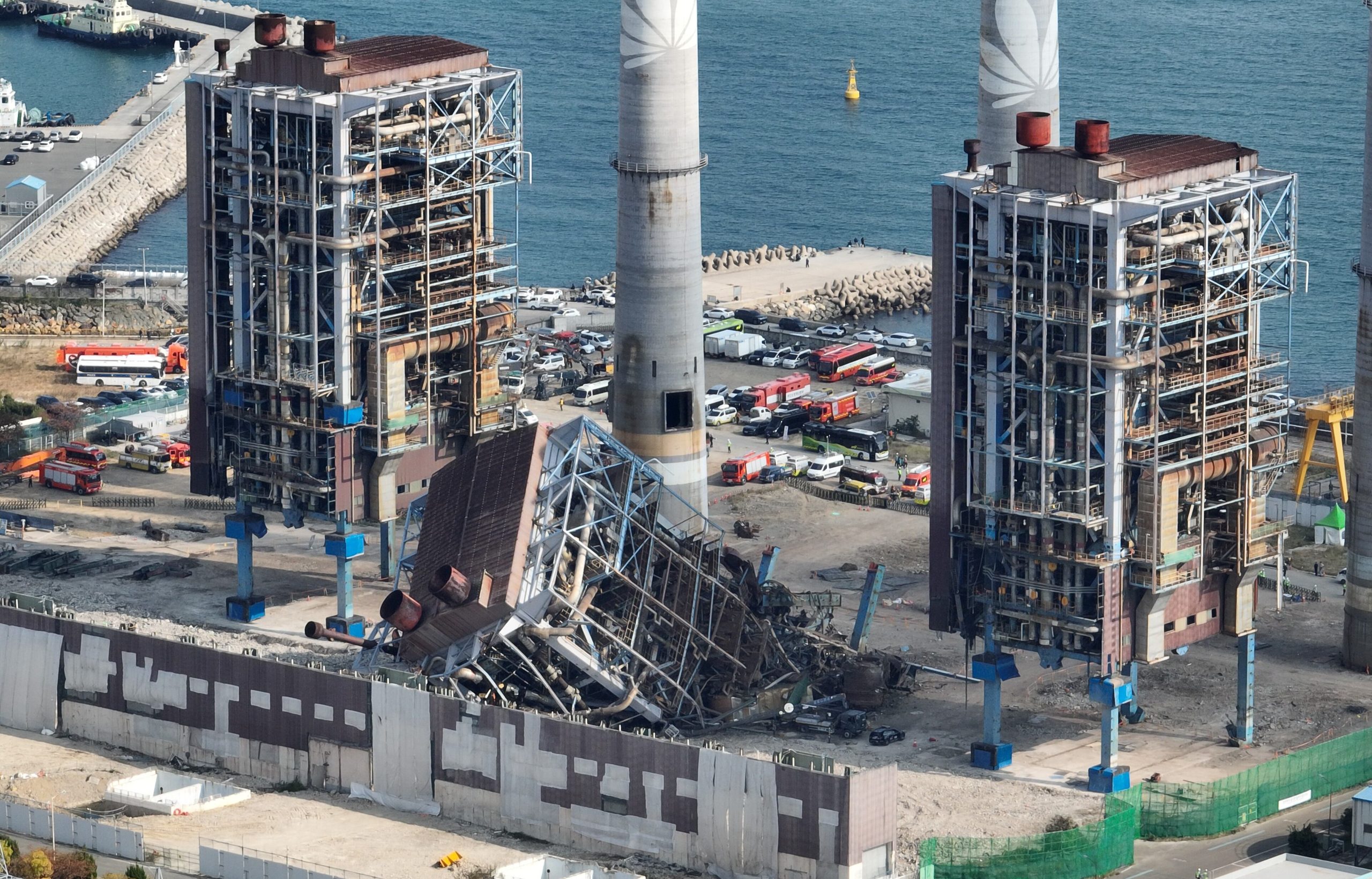
    On the 6th, during the dismantling of a boiler tower at the Korea East-West Power Ulsan Thermal Power Plant, the structure collapsed, resulting in a second day of rescue operations for those who were buried beneath the debris. Multiple analyses are being conducted to determine the cause of the incident.

    According to fire authorities and other sources on the 7th, the 60-meter-tall boiler tower at the Ulsan Thermal Power Plant in Yongjam-dong, Nam-gu, Ulsan, collapsed around 2:02 p.m. on the 6th. This steel structure, used for generating electricity by boiling water, is comparable in size to a 15-story building. The collapse was accompanied by a loud “thud” that could be heard even 200 meters away from the site.

    Korea East-West Power stated that the tower was completed in 1981, 44 years ago, and it generated electricity for about 40 years before being decommissioned in 2021. The company commissioned HJ Shipbuilding & Construction Co. for the demolition work, with Korea Kako acting as a subcontractor. The weakening work, which involved pre-cutting steel supports to make the structure easier to demolish via blasting, began last month.

    The collapse occurred while workers were cutting part of the structure at a height of 25 meters using tools such as oxygen cutters. Industry sources suggest that the accident may have been caused by uneven weight distribution during the process, leading to a shift in the center of gravity. Similar to how a tree falls toward the side where more axe strikes are made, the boiler tower might have collapsed in a similar fashion.

    During a briefing at the scene, fire authorities noted, “Since the columns of the structure were being cut, there might have been issues such as instability or tilting.” This raises questions about whether proper safety measures were taken before the work began. Even if the center of gravity shifted, it is essential to verify whether there were wires (ropes) or support devices in place to prevent the tower from falling.

    An industry official who visited the site immediately after the accident mentioned, “Whether wire work was done to support the boiler tower’s weight in preparation for potential collapse could be a key point in determining the cause. Since wire work takes a long time, it is necessary to check if it was omitted.”

    Another possibility is that the structure twisted during the work. Typically, large structure demolitions start from the top to maintain balance. Considering that workers were at a height of 25 meters at the time of the accident, it is likely that supports or columns were concentrated in that area.
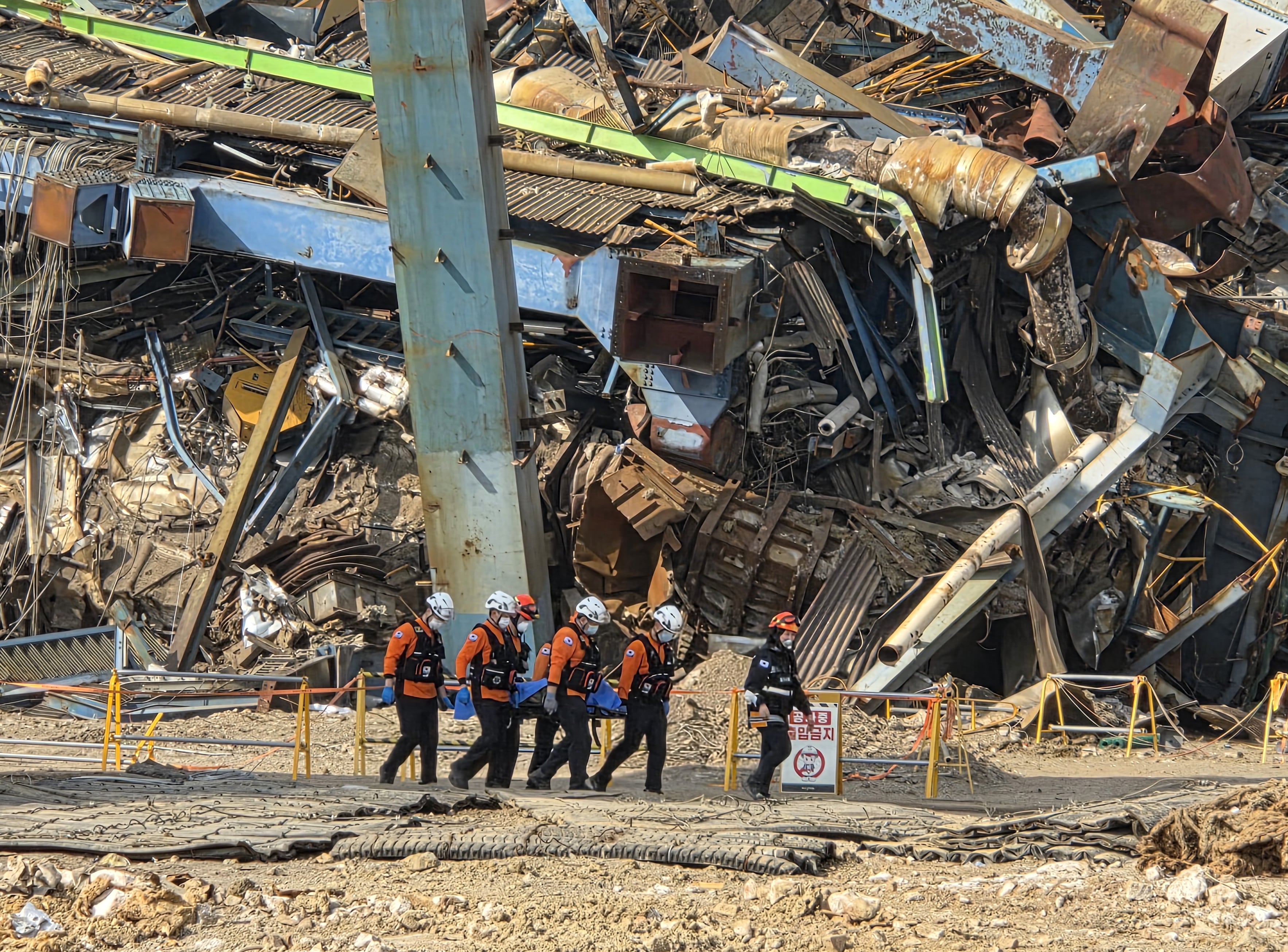
    The issue is that the columns or supports might have aged beyond expectations, causing them to twist instantly under minor impact and tilt to one side. This could have contributed significantly to the collapse.

    The Ministry of Employment and Labor plans to actively pursue a criminal investigation, including seizure and search, to determine the cause of the accident. As the investigation continues, more information is expected to emerge regarding the specific factors that led to this tragic event.

  • Roh Soh-yeong Shares Child’s Art as Divorce Ends

    Roh Soh-yeong Shares Child’s Art as Divorce Ends

    A Journey of Reflection and Closure

    Roh Soh-yeong, the director of the Art Center Nabi, has shared a deeply personal reflection on the finalization of her divorce from SK Group Chairman Chey Tae-won. In a post on her Instagram, she detailed the emotional process of packing up her belongings from the home she once entered as a bride 37 years ago.

    She wrote, “Packing up. With the divorce finalized, I am leaving the house I came to as a bride 37 years ago.” The message was accompanied by photos of items filled with memories, including a wedding dress and hanbok believed to be from her 1988 wedding. These images also featured clothing, bags, and personal belongings that had been part of her life for decades.

    Roh reflected on the years she spent living with her parents-in-law and the challenges of raising her two daughters alone before sending them off to marriage. Now, she is also parting ways with her son, marking the end of an era in her life.

    Among the items she shared were a drawing paper gifted by her children, which included paper-made tuxedos and dresses pasted over photos of Chairman Chey and herself. The paper was adorned with multiple message cards, each filled with heartfelt messages. Roh described the significance of these objects, stating, “After turning 60, everything feels precious. Every piece of clothing, bag, and shoe holds laughter, tears, effort, frustration, and hope. I fold each one carefully.”

    She continued, “Above all, I feel grateful. The warmth of a shawl, the coverage of an overcoat, the comfort of a scarf—all evoke the labor of those who made them and brought them to me. I fold each one carefully.”

    One particular item that stirred deep emotions for Roh was a drawing paper where her three children, with their small hands, cut out photos of their mother and father, pasted them, and filled it with messages saying “Happy Forever!!” She expressed her sorrow over the innocence of her children’s wishes, asking, “Where can the innocent hearts, who desperately wished for their parents to love and be happy, find solace?” She added, “I folded this, too, with care.”

    Legal Proceedings and Family Legacy

    Earlier, on the 16th, the Supreme Court vacated and remanded the appellate court’s decision regarding the property division ratio in the divorce lawsuit between Chairman Chey and Director Roh. While the lower court acknowledged that former President Roh Tae-woo provided approximately 30 billion won in financial support to Chairman Chey’s father, Choi Jong-hyun, it ruled that this could not be considered as Director Roh’s contribution to the property division. However, it separately confirmed the consolation money and the divorce itself.

    The Supreme Court’s First Division (Presiding Justice Seo Kyung-hwan) stated in its ruling, “Even if, as acknowledged by the lower court, former President Roh Tae-woo provided approximately 30 billion won to the plaintiff (Chairman Chey), the source of this money appears to be bribes he received during his presidency.”

    The court added, “Former President Roh Tae-woo’s act of using part of the bribes to support his in-laws or his children’s family, while concealing it to prevent the state from tracing and collecting the funds, violates good morals, social order, and exhibits pronounced anti-social, unethical, and immoral characteristics, placing it outside the protection of the law.”

    This legal development highlights the complex interplay between personal relationships and public accountability, particularly in cases involving high-profile individuals and their families. For Roh, the resolution of the legal matters marks a significant step toward closure, allowing her to focus on the emotional journey of letting go and moving forward.

  • Mburu Places Flowers at Sister’s Final Resting Place

    Mburu Places Flowers at Sister’s Final Resting Place

    A Heartfelt Tribute to a Lost Sister

    Renowned actress Wanjiku Mburu, best known for her role as Mama Baha in the popular show Machachari, recently opened up about the tragic passing of her sister, Gracie Wangui, who played the character of Mama Bob. Her heartfelt message and shared memories have deeply moved fans and fellow cast members alike.

    Wanjiku took to social media to share a series of photos from her childhood with Gracie, revealing that they were biological siblings. This information came as a surprise to many fans of the show, who had not previously known about their close relationship. The actress also posted behind-the-scenes shots of their acting experiences, giving a glimpse into their professional and personal bond.

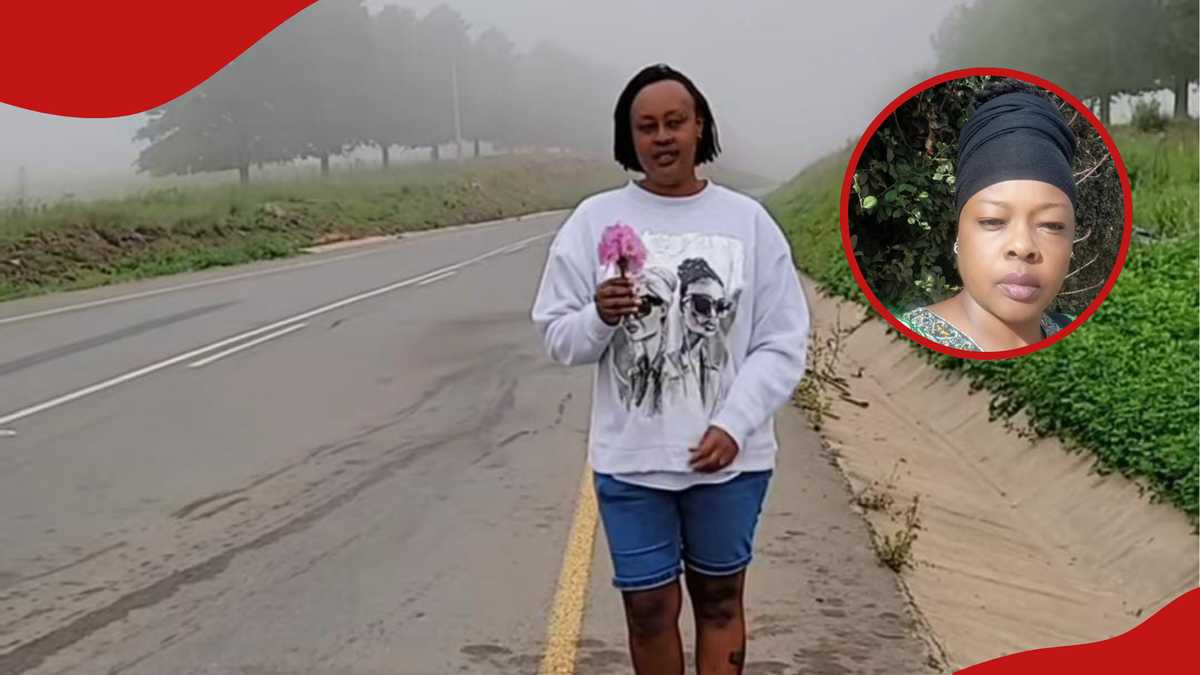
    In a new video, Wanjiku was seen laying flowers on a road in Durban, South Africa, where her sister had last been before her untimely death. She shared details about the tragic incident, which occurred on October 28, when Gracie lost her life in a road accident. Wanjiku described the location as Moy River, emphasizing its significance in her memory.

    The video captured Wanjiku in denim shorts, a white sweater top, and white crocks, with a cold and misty environment surrounding her. In her caption, she wrote: “South Africa, Durban, and to be specific, Moy River. And this is where my sister has her last moments. And I am just here to lay this flower in remembrance of her. So in loving memory to Grace Wangui Mburu.” She also added, “28.10.2025. Gracie, you are dated forever.”

    Messages of Condolence from Fans

    The post quickly garnered attention, with many fans expressing their condolences and support. Some of the comments included:

    • @Jonnes said: “May Mama Bob’s soul rest in peace. Be strong, Mama Baha. Sincere condolences to your family.”
    • @King Martin said: “Rest in peace, Grace, you were a champion.”
    • @Bahati Zena said: “May my friend rest in eternal peace.”
    • @Gilberto said: “Let God comfort you, my dear sister.”
    • @Larry Dedan said: “I am sorry, may she rest in peace.”
    • @MaryLiz said: “Haki Mama Baha, you have been through a lot. I remember your brother was also abducted. Find peace.”
    • @Boke Wanjiru said: “My deepest condolences to you and the family.”
    • @Okinda said: “I am sorry for your loss. May the Almighty God comfort you.”
    • @Sherow said: “Poleni sana. May she rest in peace.”

    The Tragic Fate of Wanjiku’s Brother

    In addition to mourning her sister, Wanjiku also spoke about the loss of her brother, who had been abducted a decade ago. In 2024, she publicly appealed to President William Ruto for assistance in bringing her brother home. She shared an emotional account of how her brother had contacted her from Somalia, where he had been taken after the abduction. Wanjiku revealed that her brother and her cousin were together at the time of the incident.

    Her plea resonated with many, leading to an outpouring of online support. Netizens rallied to urge the president to consider helping the family reunite with their loved one. The tragedy of losing both a sibling and a brother has left Wanjiku in deep sorrow, but her strength and courage continue to inspire those around her.

  • Daegu Science Museum Hits 8 Million Visitors

    Daegu National Science Museum, a prominent science exhibition and education institution in the Daegu region, has achieved a significant milestone by welcoming over 8 million visitors. This achievement marks 12 years since its opening in 2013, making it the first industrial science and technology museum in South Korea.

    The museum recently announced that it surpassed 8 million cumulative visitors on the last day of the previous month. Following the achievement of 7 million visitors in October of the previous year, the museum has attracted a number of visitors equivalent to four times the population of Dalseong-gun, where the museum is located, within just one year.

    The 8 millionth visitor was Jang Hyun-seok, a 40-year-old resident of the Buk-gu district of Daegu, along with his family. As a token of celebration, the museum gifted the family a one-year free admission pass, a congratulatory flower bouquet, and a Lego model of the Apollo spacecraft’s lunar exploration vehicle for Jang’s son. Jang expressed his gratitude, stating, “I visited the museum to provide my child with science-related experiences, and it became an unexpected memory for our family. I will continue to visit Daegu National Science Museum with family and friends and promote it widely.”

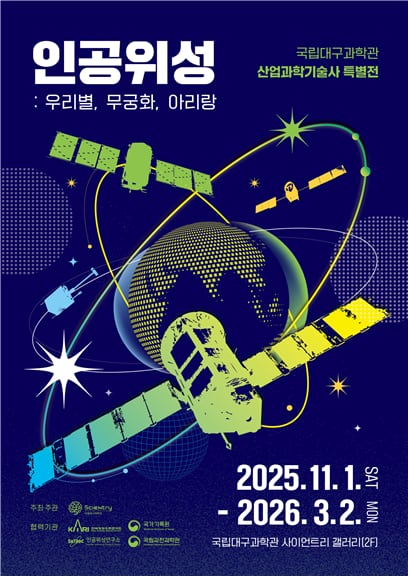
    In honor of the autumn season, the museum is organizing various events, including special exhibitions and astronomical observations. The “Artificial Satellites: Our Star, Mugunghwa, Arirang” special exhibition is currently taking place at the Sciencetree Gallery in front of the permanent exhibition hall 2. This exhibition showcases the science and technology behind satellites launched in the 1990s. Visitors can also view oral interviews with senior scientists who were involved in these projects and explore related scientific materials.

    Additionally, the “Daegu Root Industry” exhibition, hosted by Kyungchang Industry—a local company and one of South Korea’s top 100 automotive parts manufacturers—is ongoing. It highlights the evolution of automotive parts from the internal combustion engine era to those used in modern electric vehicles. The “Invisible Universe” space special exhibition, which started in August of this year, has been extended until March 2 of next year due to high visitor engagement.

    On the 5th at 6 p.m., the “Super Moon Returns” program will allow visitors to observe and photograph the super moon in front of the planetarium and enjoy a traditional fire-play activity using LED spacecraft. A super moon occurs when the Moon appears larger due to its closer proximity to Earth. This particular super moon is reported to be the closest to Earth since 2019 and the largest full moon of the year.

    The permanent exhibition hall 1 features the “Natural Science Phenomena Zone,” where visitors can experience scientific principles found in nature. The Dream Tree Science Education Center offers hands-on education programs utilizing artificial intelligence (AI), robots, and other technologies.

    Director Lee Nan-hee of Daegu National Science Museum expressed her appreciation, stating, “Thanks to the consistent love and interest from local residents and visitors, we have achieved the milestone of 8 million visitors. We will continue to expand science culture in daily life through diverse programs reflecting the latest scientific technologies.”

  • Bosses Banned from Rejecting Employee Leave Requests

    Bosses Banned from Rejecting Employee Leave Requests

    New Laws to Protect Parents of Stillborns

    New legislation has been introduced to ensure that parents who experience the tragic loss of a stillborn child or an infant death are granted the same rights and dignity as other parents. This change aims to prevent employers from canceling paid parental leave in such circumstances, offering much-needed support during one of the most difficult times in a parent’s life.

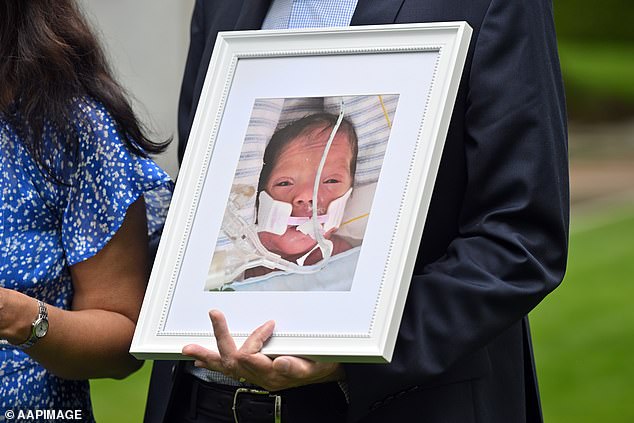
    The story of Priya, a six-week-old baby who passed away, highlights the importance of these changes. Her mother, who wishes to remain anonymous, shared her heartbreak after her employer canceled three months of pre-approved paid parental leave just five days after her daughter’s death. Meanwhile, her husband was allowed to take his full leave entitlement. This injustice prompted the couple to launch a campaign for change, which gained over 32,000 signatures on a petition in honor of their daughter.

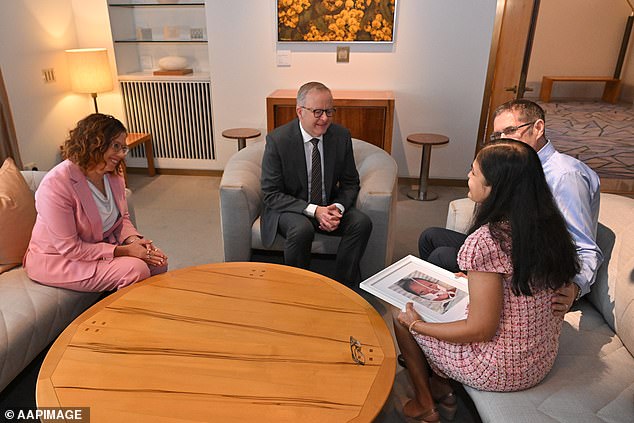
    Priya’s parents joined Workplace Minister Amanda Rishworth at Parliament House in Canberra to mark the passage of amendments to the Fair Work Act. These changes ensure that workplaces cannot cancel paid parental leave if employees have experienced a stillbirth or infant loss.

    A Symbol of Love and Dignity

    Priya’s mother expressed her deep emotions during the event, saying, “Priya’s bill is about love, compassion, dignity and respect.” She added, “It is a symbol of my love for my daughter, Priya, in moments when I was made to feel like my daughter’s life didn’t matter.”

    She emphasized that the bill honors not only her daughter but also every baby who has passed away and those who will in the future. “Baby Priya’s Bill honours my daughter, and it also honours every baby who has passed, and sadly, every baby who will pass in Australia,” she said, her voice trembling with emotion.

    Government Support and Challenges

    Workplace Minister Amanda Rishworth praised the changes, stating that they aim to give parents the rights they deserve while bringing attention to the sensitive issue of stillbirth and early infant death. “We need to have compassion in our community and in our society,” she said.

    However, not all voices were in agreement. A small group within the coalition argued that the bill should exclude parents who experienced late-term pregnancy terminations. In the upper house, Liberal Senator Alex Antic, Nationals Senator Matt Canavan, and Pauline Hanson’s One Nation attempted to limit entitlements where late-term terminations applied. Despite their efforts, the proposal was unsuccessful.

    Reactions to the Debate

    Priya’s father, Chris, criticized the debate surrounding late-term abortion in the context of the changes, calling it “politics of hate.” He stated, “It was hurtful to my wife, it’s disrespectful to our daughter.” He emphasized the need for more hope and human decency in the Australian parliament.

    Ms. Rishworth expressed disappointment that some senators tried to frame the bill as something it is not. “The bill is about giving parents the dignity in the event of a stillbirth or early death of a child,” she said.

    Statistics and Impact

    According to data from the Australian Institute of Health and Welfare, six babies are stillborn every day, and two die within 28 days of birth in Australia. These new laws represent a significant step forward in supporting families who face such heartbreaking losses.


  • 4 in 10 South Korean Scientists Pursue Global Careers

    4 in 10 South Korean Scientists Pursue Global Careers

    Rising Trend of South Korean Science and Engineering Professionals Seeking Overseas Opportunities

    A recent survey conducted by the Bank of Korea has highlighted a growing trend among South Korean science and engineering professionals, particularly those with master’s and doctoral degrees. The findings reveal that 40% of these individuals are considering leaving the country for overseas opportunities, driven by various factors including financial considerations.

    The data shows that the number of Korean science and engineering doctoral professionals working in the U.S. reached 18,000 in 2021, marking a doubling over an 11-year period. This trend underscores a significant shift in career aspirations among highly educated professionals in South Korea.

    Salary Disparities Between Domestic and Overseas Professionals

    One of the key findings from the survey is the stark difference in salaries between domestic and overseas professionals. After 10 years of obtaining their final degree, the average annual salary of domestic science and engineering professionals was approximately 97.4 million Korean won. In contrast, those who moved overseas earned around 386 million Korean won, which is four times higher.

    This gap is attributed to the fact that overseas salaries tend to rise sharply in the early stages of a career, while domestic salaries increase gradually over time. Additionally, the performance of overseas companies is significantly larger, contributing to the disparity.

    Comparing this to national income figures, South Korea’s per capita national income last year was $36,745, which is only 44% of the U.S. per capita income of $83,660. This economic context further emphasizes the financial incentives driving professionals to seek employment abroad.

    Younger Professionals More Likely to Seek Overseas Employment

    The survey also revealed that younger professionals are more inclined to consider overseas employment. According to the Bank of Korea’s issue note titledDeterminants of Overseas Outflow of Science and Engineering Professionals and Policy Response Directions, 42.9% of science and engineering master’s and doctoral professionals remaining in the country indicated they are considering overseas employment within the next three years.

    Notably, 5.9% have already made plans to move abroad or are currently in interviews. These results are based on a survey of 2,700 science and engineering master’s and doctoral professionals both domestically and abroad.

    By field, the highest consideration for changing jobs was found in biotechnology, pharmaceuticals, and medical devices (48.7%), followed by IT, software, and telecommunications (44.9%). Even in sectors where South Korea holds a competitive edge, such as shipbuilding, plant, and energy (43.5%), the rate of considering job changes exceeded 40%.

    Age Group Analysis

    When analyzing the data by age group, the inclination to seek overseas employment was strongest among those in their 20s (72.4%), followed by those in their 30s (61.1%) and 40s (44.3%). The proportion of professionals actively making plans was highest among those in their 30s (10.4%).

    The primary reason for considering overseas employment was financial factors (66.7%, combined responses from 1st to 3rd rank). This was followed by research ecosystem and networks (61.1%), guaranteed opportunities (48.8%), and children’s education (33.4%).

    Significant Salary Gaps During Early Career Stages

    The salary gap between domestic and overseas science and engineering professionals widens significantly during the first decade of their careers. According to the survey, in the year they obtained their final degree, the average annual salary of domestic professionals was approximately 58 million Korean won, while those who moved overseas earned an average of US$113,800 (approximately 163 million Korean won).

    This disparity is largely due to the significantly larger scale of overseas companies, even if the ratio of labor costs to sales revenue does not differ much from U.S. companies.

    Subsequently, the salaries of science and engineering professionals who moved overseas rose sharply, reaching US$269,800 (approximately 386 million Korean won) 10 years after obtaining their final degree. Domestic professionals with the same level of experience earned approximately 97.4 million Korean won, a quarter of their overseas counterparts.

    Long-Term Salary Trends

    Domestic science and engineering professionals needed 14 years after obtaining their degree to see their average annual salary exceed 100 million Korean won. The highest average salary was recorded 20 years after degree attainment, at 118.86 million Korean won.

    In contrast, science and engineering professionals who moved overseas peaked in average annual salary 13 years after obtaining their degree, earning US$366,400 (approximately 524 million Korean won). This then declined, with those 20 years post-degree earning an average of US$198,300 (approximately 284 million Korean won) annually.

    A source from the Bank of Korea stated, “While the average annual salary of domestic science and engineering professionals rises gradually with years of service, overseas professionals’ salaries increase sharply in the early stages of their careers and then lose correlation with tenure.” They added, “To prevent the overseas outflow of science and engineering talent, it is crucial to adopt a performance-based and flexible wage and compensation system.”

  • How Hurricanes Get Their Names: The Science of the Storm

    Understanding the Naming Process of Hurricanes

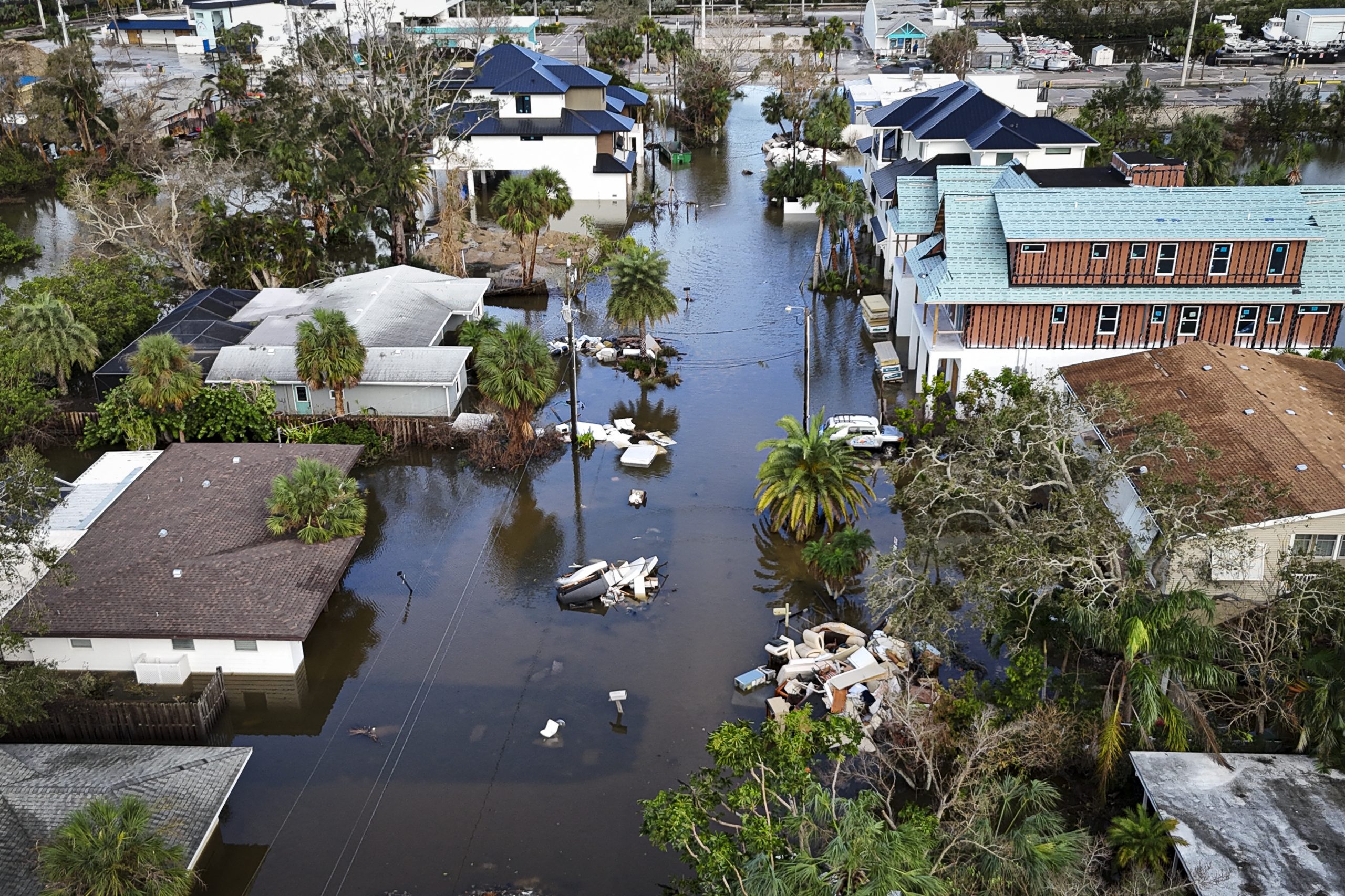
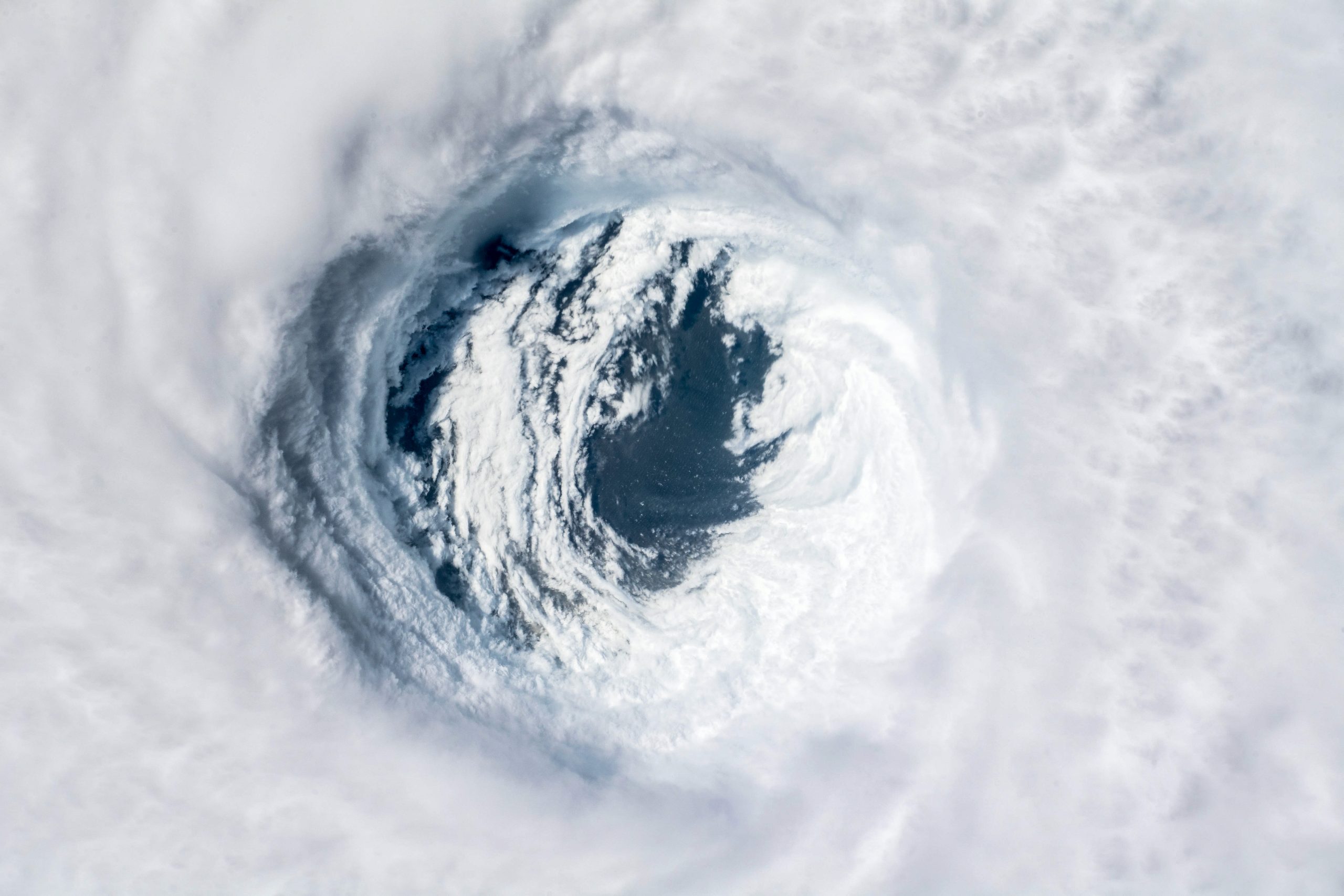
    Hurricanes, also known as tropical cyclones, are powerful storms that form over warm ocean waters and can cause significant damage. When you hear about the name of a new hurricane on the news, you might think it’s completely random. However, there is a lot more to the naming process than meets the eye.

    The Importance of Hurricane Names

    Naming hurricanes might seem like a trivial task, but it plays a crucial role in communication, preparedness, and response efforts. According to Matt Sitkowski, PhD, a meteorologist and science editor-in-chief for The Weather Channel, “Naming hurricanes is incredibly useful, especially in the age of social media and the hashtag.” This practice makes it easier to find information and helps with recall.

    How Hurricanes Are Named

    As CBS explains, a cyclone is assigned a name when it reaches tropical storm strength, which is defined by sustained winds of at least 39 mph (62.7 km/h). Once the winds reach 74 mph (119 km/h), the storm is classified as a hurricane. According to the Encyclopedia Britannica, the World Meteorological Organization (WMO) is responsible for assigning names to tropical cyclones. This practice began in the early 1950s to improve communication during storm events. Before this, storms were identified by their geographic location or by arbitrary numbers, which could often lead to confusion. By giving each storm a unique name, the WMO aimed to make it easier for the public, media, and emergency services to track and respond to these events.

    The Evolution of Hurricane Naming

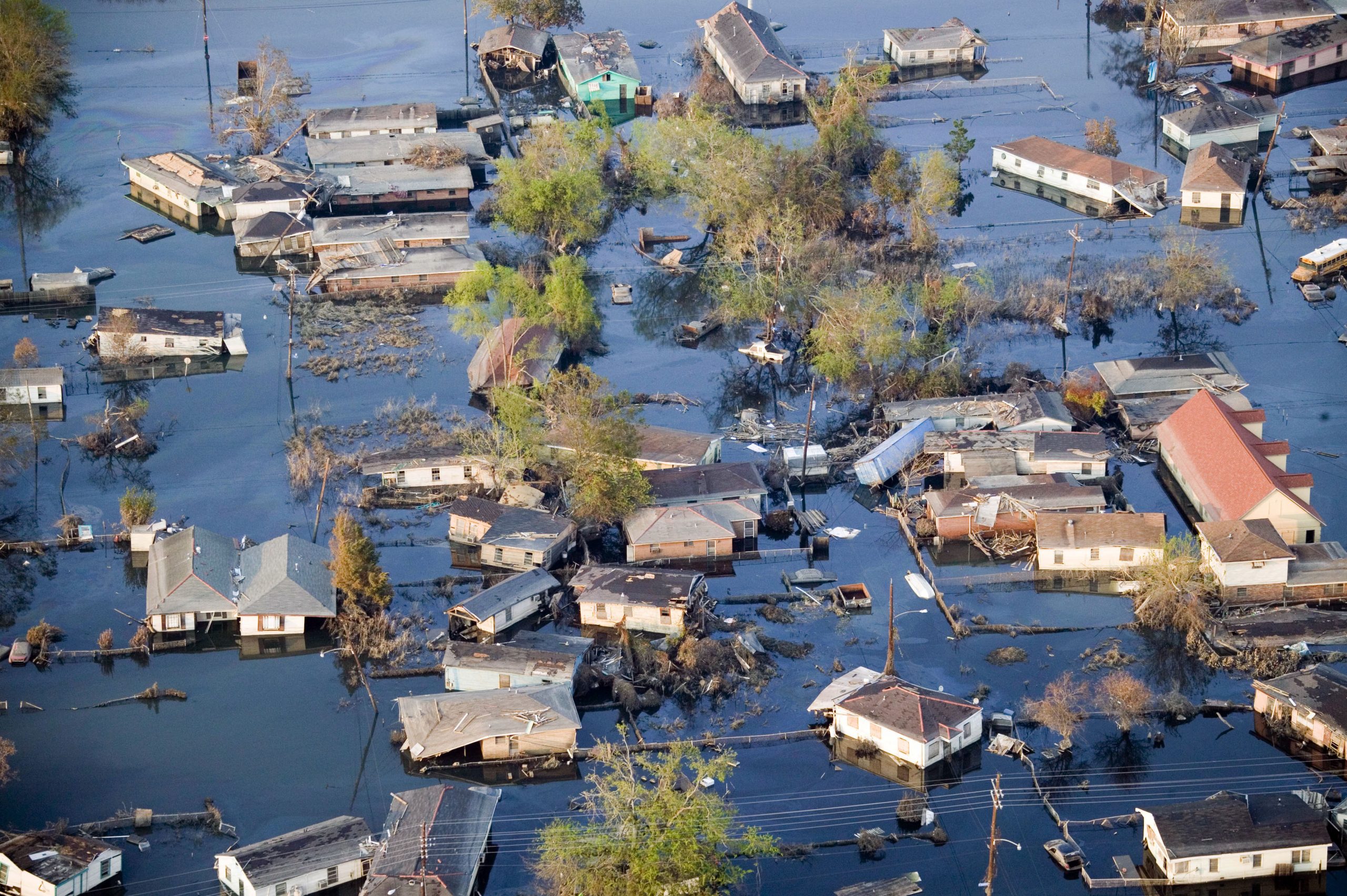
    Currently, hurricanes are named alternating between male and female names. Encyclopedia Britannica notes that this system began for Pacific storms in 1978 and Atlantic storms in 1979. If you’ve ever noticed that some of the storm names seem somewhat repetitive, you aren’t wrong. In the Atlantic region, the WMO recycles its list of storm names every six years, meaning that the list of storm names used in 2004, for example, is used again in 2010. However, with the most damaging and notorious storms, the names are not reused. For example, Britannica notes that Hurricane Katrina in 2005 led to the name Katrina being permanently retired from the storm name list, and it was then replaced with a new name.

    The System Behind the Names

    Another curious fact is that according to the WMO, the lists of male and female names are alternated for naming the storms in alphabetical order. For example, the first storm of the year might be named “Alex,” the second “Beryl,” and so on. This system continues until all names on the list are used, after which the list starts over. Even though the WMO oversees the naming process, regional meteorological organizations may have input into the names used. For example, in the Indian Ocean region, countries like India and Bangladesh contribute to the naming of cyclones. This collaborative approach ensures that names are culturally appropriate and resonate with the local populations.

    The Significance of Hurricane Naming

    Naming hurricanes is essential and not just some wacky tradition, so much so that it has become a vital part of how the world both manages and responds to these powerful natural events.