Category: Uncategorized

  • Morocco Seizes Strategic Advantage in Sahara Dispute, Says Spanish Institute

    Morocco Seizes Strategic Advantage in Sahara Dispute, Says Spanish Institute

    Strategic Shifts in the Western Sahara Conflict

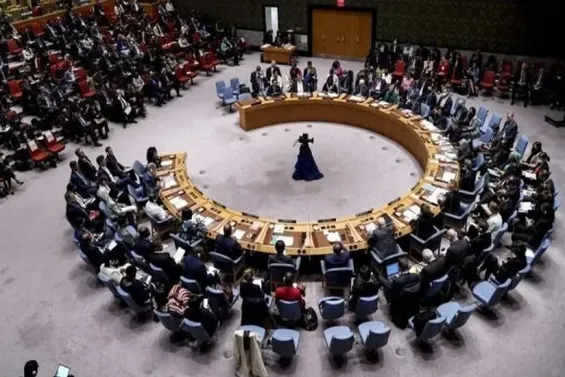
    The Elcano Royal Institute, a prominent think tank based in Spain, has released a comprehensive report analyzing the current state of the Western Sahara conflict. The report highlights a significant shift in power dynamics, suggesting that “all the cards are now in Morocco’s hands” following recent developments at the United Nations Security Council.

    This assessment comes as the conflict reaches its 50th anniversary, marking five decades of tension and unresolved disputes over the territory’s future. The institute, which is honorarily chaired by King Felipe VI and supported by various Spanish ministries and institutions, emphasizes that Resolution 2797 represents a pivotal moment in the history of the conflict. It essentially marks the end of the peace process initiated in 1991 with a proposed referendum on self-determination.

    Military Dominance and Control

    Morocco has consolidated its control over most of the Western Sahara region, maintaining authority over approximately 80% of the area’s 266,000 square kilometers since 1991. This military dominance, backed by support from the United States, has allowed Morocco to control what is known as the “useful Sahara.” The country has successfully thwarted multiple attempts by the Polisario Front to alter the balance of power, particularly after the liberation of the Guerguerat crossing in November 2020.

    The report underscores that the Polisario Front, which seeks independence for the Sahrawi people, has been left in a vulnerable position. Its inability to address the growing frustrations of the local population has further weakened its standing in the region.

    Political and Diplomatic Advancements

    On the political and diplomatic front, Morocco is described as “steadily advancing.” The report notes major investment efforts in the region, which have bolstered Morocco’s influence. In contrast, the Polisario leadership remains economically weak and politically marginalized, struggling to gain traction among the Sahrawi population.

    The alignment of several key international players, including the United States, France, Spain, the United Kingdom, and Germany, with Morocco’s sovereignty stance has also played a crucial role. This alignment has become more pronounced since former U.S. President Donald Trump recognized Western Sahara as Moroccan territory in December 2020.

    A Changing International Landscape

    The report highlights the diminishing support for the self-proclaimed “Sahrawi Arab Democratic Republic,” which is now recognized by only 47 countries, down from 84 previously. Morocco has not only prevented the 1991 referendum but has also imposed a new framework centered on autonomy as the most realistic path to resolving the conflict.

    In 2000, former UN Secretary-General Kofi Annan acknowledged that the process of identifying eligible Sahrawi voters and implementing the settlement plan had reached a deadlock since the end of 1995. This historical context underscores the challenges faced by the international community in finding a resolution to the conflict.

    Algeria’s Evolving Stance

    Algeria’s absence from the recent Security Council vote reflects its growing fatigue with defending a cause that no longer yields benefits. The report notes that Russia, China, and Pakistan abstained from the vote, signaling their indifference to the fate of the Sahrawi people.

    While Resolution 2797 does not explicitly rule out self-determination, the institute concludes that holding a genuine referendum, which was already nearly impossible, has now become closer to a miracle. This suggests that the path to a peaceful resolution of the conflict may be increasingly difficult to navigate.

    Conclusion

    The Elcano Royal Institute’s report paints a clear picture of the shifting dynamics in the Western Sahara conflict. With Morocco gaining strategic advantages and international support, the future of the region remains uncertain. As the conflict continues to evolve, the need for a comprehensive and sustainable solution becomes more pressing than ever.


  • 80-Year-Old Florida Supermarket Giant Closes All Stores Suddenlly

    The Closure of an Iconic Florida Grocery Chain

    Hitchcock’s Market, a beloved North Florida grocery chain that operated for 80 years, has officially closed its doors. This closure marks the end of an era for many communities and employees who had relied on the store for decades.

    The family-run grocer once employed over 800 people and generated approximately $150 million annually. However, the chain’s final ten stores, spread across small towns in North Central Florida, were sold to larger competitors such as Winn-Dixie and Bravo. Alan Hitchcock, the son of one of the store’s co-founders, expressed mixed feelings about the closure. While he admitted it was sad to see the name disappear, he also said it was a relief due to differences in philosophy and management styles.

    At its peak, Hitchcock’s was renowned for its meat counter and dedication to local sourcing. However, in recent years, customer satisfaction declined. One Reddit user described it as “the nastiest grocery store I’ve ever had to endure.” For some small towns, Hitchcock’s was the only local grocer, making its loss particularly painful. Several stores were the sole providers of fresh food in their communities.

    Impact on Employees and Customers

    Employees are now in a state of uncertainty as the new owners begin renovations. Dylan Saley, an employee at the Keystone Heights location, shared his concerns with local ABC affiliate WCJB. He mentioned that while there was talk of keeping jobs, it was unclear if that would happen. “We might have to reapply, but I’m just going to keep looking around and see if there’s anything else,” he said.

    Managers told Mainstreet Daily News that vendors had already started pulling back before the closure, especially after the company’s former owner passed away last year. Some companies stopped deliveries altogether due to missed payments. By the time liquidation sales began, with steep 30 percent markdowns, even well-known products like Coca-Cola disappeared quickly and were never restocked.

    A former manager revealed that executives were not transparent about plans to sell the brand. “In small grocery chains, information travels fast,” they said. “Everybody kind of started putting their plan together to try to purchase.”

    Challenges Facing Small Grocery Stores

    Small grocery stores across America are facing similar challenges. Persistent food inflation, the rise of online competitors, and supply chain issues have led to empty shelves and declining sales. Rural stores have been hit particularly hard, with an estimated 2,700 closures this year.

    This trend has affected major players in the industry. Kroger, one of the largest grocery chains in the nation, announced plans to close 60 underperforming stores and lay off 1,000 employees in August. Albertson-owned Safeway also announced the closure of multiple rural locations. Even Amazon has had to shutter some of its grocery stores.


    Broader Implications

    The closure of Hitchcock’s Market raises questions about the future of small-town grocery stores. With thousands of retailers closing nationwide, the trend suggests a worrying shift in the retail landscape. Will this be the beginning of a broader industry shakeup? How will these closures impact local communities?

    As larger chains continue to consolidate, the survival of smaller, family-owned businesses becomes increasingly uncertain. The story of Hitchcock’s Market serves as a reminder of the challenges faced by independent grocers in a rapidly changing market.


  • Squeaky Trainers Spark Legal Battles Among Frustrated Customers

    Squeaky Trainers Spark Legal Battles Among Frustrated Customers

    The Squeaky Shoe Controversy: A Growing Issue for On

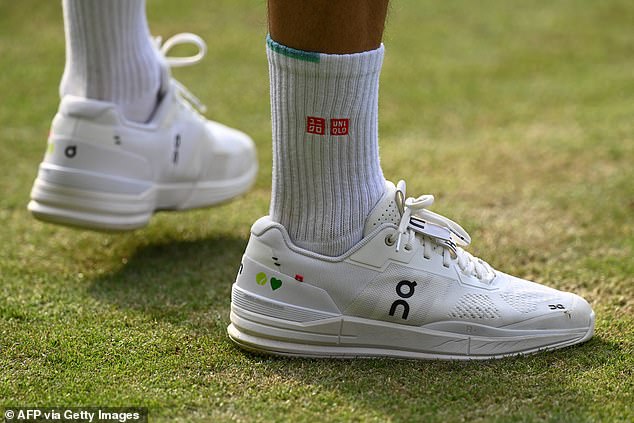
    On, a Swiss sportswear brand known for its high-end trainers, is facing a growing backlash from customers who are frustrated by the squeaking issue in their shoes. This problem has led some unhappy buyers to take legal action against the company, claiming that the noise makes the shoes “unwearable.”

    Customer Complaints and Social Media Outcry

    Dozens of customers have taken to Trustpilot to voice their frustrations, with many stating that the squeaking made their shoes unsuitable for daily use. Some even shared their experiences on social media platforms like TikTok, where one video about the issue received over 30,000 views.

    In Oregon, USA, a group of dissatisfied customers has taken the matter further by filing a class-action lawsuit. They claim that the squeaks caused by the shoes are not only noisy but also embarrassing. According to the plaintiffs, no reasonable consumer would purchase such expensive shoes if they knew that each step would create an audible sound.

    The lawsuit also accuses On of deceptive marketing practices, as many customers found it difficult to return the products after raising complaints.

    Warranty Issues and Customer Frustration

    Kevin, a customer who purchased £250 walking boots, reported that his shoes were “squeaking like crazy” and became “unwearable” within just a few months. He attempted to claim under the warranty, but his request was denied shortly after submission. A company representative stated that his application had gone through all steps of their evaluation process, but it was still rejected.

    Kevin claimed that the company’s investigation did not involve reviewing photos or videos of the shoes, suggesting that the squeaking might be considered a normal feature. Another customer, Perminder Kaur, described her and her husband’s On trainers as “very squeaky,” adding that “you can hear us coming, miles off.”

    A client representative responded to her review by stating that squeaking was not classified as a product defect under the warranty. However, an insider revealed that the company usually exchanges footwear that becomes squeaky. Other factors, such as improper usage conditions, may also contribute to the issue.

    The CloudTec System and Possible Solutions

    The root of the problem appears to be the firm’s CloudTec system, designed for enhanced comfort during running. Some users believe that the squeaking begins after walking or running in rainy weather, as moisture enters the holes and causes the foam to rub against itself with every movement.

    Online forums like Reddit have seen various solutions proposed by users. One suggested using sandpaper between the holes, while another recommended applying coconut oil as a lubricant. Others advised using baby powder or sanding the holes down with a nail file.

    Industry-Wide Issue or Brand-Specific?

    A source close to the company told The Times that while On’s shoes may squeak, especially after being used in certain weather conditions, this issue is not unique to the brand. Nike, for instance, has a dedicated page offering advice to customers on how to deal with squeaky trainers.

    Despite the complaints, On is understood to have sold 30 million trainers annually, and some insiders suggest that these issues should be viewed in perspective. The Daily Mail has reached out to On for further comment.


    Broader Trends in the Sneaker Market

    The controversy surrounding On’s squeaky shoes highlights broader trends in the sneaker market, where consumers are increasingly vocal about product quality and performance. From TikTok exposés to viral scandals, the public’s expectations for footwear are evolving rapidly.

    Other brands are also facing scrutiny. For example, there have been discussions about the appeal of ON’s radical running shoes, which feature cloud-inspired soles. Meanwhile, other brands like JD Sports, Nike, Adidas, and Saucony are also navigating challenges related to design, functionality, and consumer satisfaction.

    As the market continues to shift, brands must balance innovation with practicality to meet the demands of discerning shoppers.

  • 27th Amendment Draft Unveiled in Today’s Cabinet Vote

    27th Amendment Draft Unveiled in Today’s Cabinet Vote

    Key Meetings on the 27th Constitutional Amendment

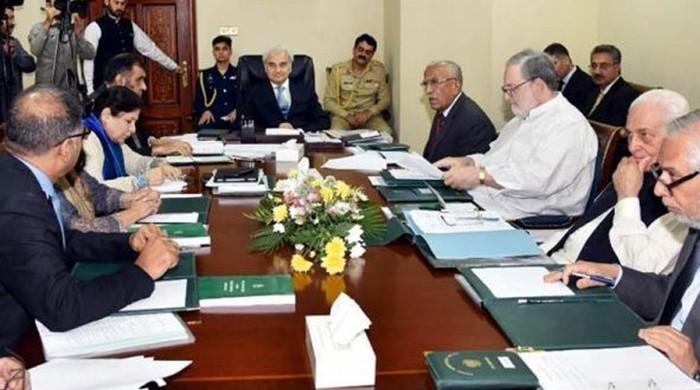
    Prime Minister Shehbaz Sharif engaged in a series of meetings with various political party leaders in Islamabad on Thursday, focusing on the proposed twenty-seventh constitutional amendment. These discussions aimed to gather insights and support from different factions of the political spectrum.

    The Muttahida Qaumi Movement (MQM) delegation, consisting of seven members, was led by its convener and Federal Minister Khalid Maqbool Siddiqui. Meanwhile, the Pakistan Muslim League-Q (PML-Q) sent a four-member delegation, headed by Minister for Overseas Pakistanis and Human Resource Development Chaudhry Salik Hussain.

    Another significant delegation came from the Istehkam-e-Pakistan Party, led by its President and Federal Minister for Communications, Abdul Aleem Khan. During these meetings, extensive discussions were held regarding the proposed 27th Constitutional Amendment.

    PM Sharif initiated formal consultations with government coalition partners, ensuring transparency about the proposed amendment and seeking their support for its passage through both houses of parliament. A press release from the PM Office stated that these discussions focused on the proposed amendment, emphasizing its potential to strengthen the federation, judiciary, and democracy.

    Deputy Prime Minister and Foreign Minister Muhammad Ishaq Dar, Speaker of the National Assembly Sardar Ayaz Sadiq, Defence Minister Khawaja Muhammad Asif, Minister for Economic Affairs Ahad Khan Cheema, Law Minister Azam Nazeer Tarar, Federal Minister for Information and Broadcasting Attaullah Tarar, Minister for Parliamentary Affairs Dr. Tariq Fazal Chaudhry, and Advisor to the Prime Minister Rana Sanaullah were also present during the meetings.

    Cabinet Meeting and Approval Process

    An important meeting of the federal cabinet has been scheduled for Friday morning to discuss and approve the draft of the 27th Constitutional Amendment. Prime Minister Shehbaz Sharif will chair this meeting, with the sole agenda being the discussion and approval of the amendment. The Federal Minister for Law will brief the cabinet on the contents of the proposed amendment, after which the prime minister will take the cabinet into confidence.

    Following the cabinet’s approval, the amendment will be tabled in the Senate on Friday. The government is confident that the numbers in the Senate are sufficient to pass the amendment without the support of the Jamiat Ulema-e-Islam (JUI-F).

    In the 96-member Upper House, the ruling coalition is confident of securing at least 65 votes in favor of the 27th amendment. The government is also expected to receive support from the Awami National Party (ANP), which has three senators. Prime Minister Shehbaz Sharif has already met with the ANP delegation.

    Independent Senator Naseema Ehsan has reportedly assured her backing for the amendment. Additionally, six other independent senators are likely to vote in favor of the 27th Amendment. Efforts are ongoing to secure support from JUI-F senators as well.

    Next Steps and Details on the Amendment

    On Thursday, Advisor to Prime Minister Rana Sanaullah mentioned that the draft for the 27th amendment would be presented before the cabinet tomorrow. After the cabinet’s approval, the draft would be forwarded to Standing Committees, according to statements made to a private television channel. The Standing Committees would then debate the draft, he added.

    When asked about the timeline, the advisor confirmed that the draft for the 27th amendment would be sent to the National Assembly after approval from the Senate.

    Regarding constitutional courts, the advisor noted that there is consensus among coalition partners for establishing such courts. On the topic of judicial transfers and postings, he mentioned that there is an existing mechanism in place.


  • Taliban Breaks Truce as Peace Talks Resume in Istanbul

    Taliban Breaks Truce as Peace Talks Resume in Istanbul

    Ongoing Peace Talks Between Pakistan and Afghanistan in Istanbul

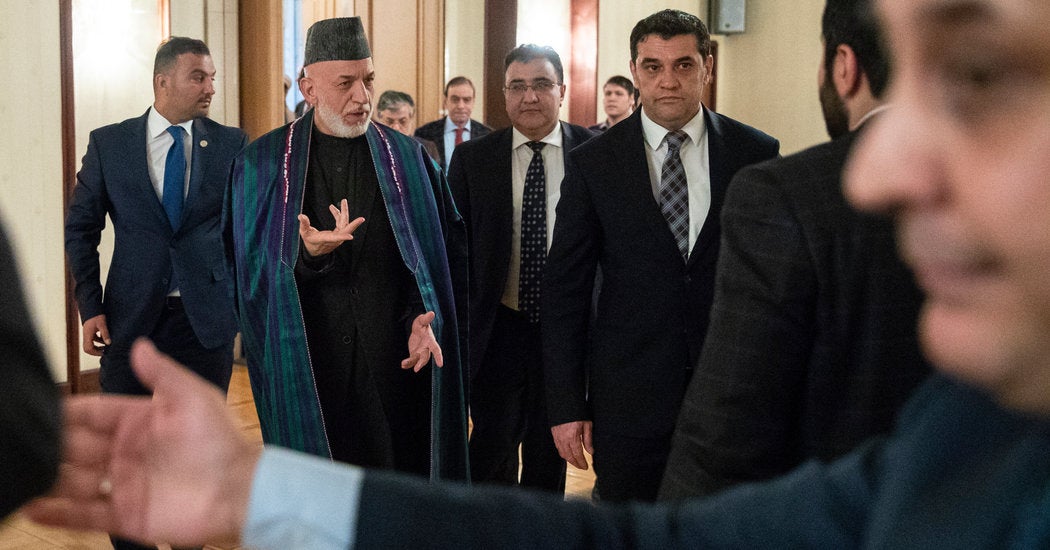
    Delegations from Pakistan and Afghanistan are currently engaged in discussions in Istanbul, with the primary goal of ensuring stability along their shared border. The talks are taking place in the presence of mediators, as both nations seek to address longstanding issues that have contributed to tensions in the region. Despite ongoing negotiations, Islamabad has accused Kabul of violating a recent truce, highlighting the challenges faced in maintaining peace.

    Qatar and Turkey are playing key roles in facilitating these dialogues, aiming to prevent any potential conflict in an area where various militant groups, including al-Qaida and the Islamic State, are attempting to regroup. This effort underscores the importance of regional cooperation in addressing security concerns and promoting stability.

    Border Crossings Remain Closed

    Despite the ceasefire agreements, all major border crossings between Pakistan and Afghanistan remain closed to trade and civilian movement. These crossings were shut on October 12, although Pakistan has partially reopened two of them to allow Afghan refugees to return home. This situation has significantly impacted cross-border trade and the daily lives of people living near the border.

    The Afghan delegation is led by intelligence chief Abdul Haq Wasiq, while the Taliban spokesperson, Zabihullah Mujahid, has provided updates on the progress of the negotiations. Pakistan has repeatedly called on the Taliban to cease harboring the Tehreek-e-Taliban Pakistan (TTP), a group that has been linked to several violent incidents in the region.

    Recent Clashes and Casualties

    Recent clashes between border troops on October 11 resulted in casualties on both sides. According to Pakistan’s claims, at least 206 Afghan Taliban and 110 TTP operatives were killed, while Pakistan suffered the loss of 23 soldiers. These figures highlight the severity of the conflict and the need for effective measures to prevent further violence.

    Pakistan’s Foreign Ministry has stated that the reopening of border crossings for trade and travel will depend on improvements in security along the border. This decision came after attacks on trade convoys from the Afghan side, which prompted the closure of the crossings.

    Incident at Chaman-Spin Boldak Border Crossing

    A brief exchange of fire occurred at the Chaman-Spin Boldak border crossing on Thursday, coinciding with the ongoing peace talks in Istanbul. The Pakistani Information Ministry rejected Afghan claims that Pakistani forces opened fire first, stating that firing was initiated from the Afghan side. In response, Pakistani security forces acted in a measured and responsible manner, bringing the situation under control.

    The ministry emphasized its commitment to ongoing dialogue and expected reciprocity from Afghan authorities. However, Afghanistan’s interim government offered a different account, with Zabihullah Mujahid claiming that the firing started from the Pakistani side. He noted that Afghan forces had not responded to avoid civilian casualties and out of respect for the negotiating team.

    Local police in Chaman confirmed that Pakistani border units returned fire after the initial shots but reported no casualties on either side. The exchange lasted briefly and did not disrupt movement in nearby civilian areas, according to a police official.

    Focus on Preventing Cross-Border Militant Infiltration

    The incident unfolded as senior delegations from Islamabad and Kabul continued discussions in Istanbul aimed at establishing a verified mechanism to prevent cross-border militant infiltration into Pakistan. This focus on security measures reflects the urgency of addressing the threat posed by militant groups operating in the region.

    The talks underscore the complex nature of the relationship between Pakistan and Afghanistan, as both nations work to navigate the challenges of maintaining peace and stability in a volatile region. The outcome of these discussions could have significant implications for the future of the border and the broader regional security landscape.


  • Rising Capacity Payments Raise Concerns as Nepra Acknowledges High Losses and Weak Recoveries

    Rising Capacity Payments Raise Concerns as Nepra Acknowledges High Losses and Weak Recoveries

    Rising Capacity Payments and Circular Debt Concerns

    The National Electric Power Regulatory Authority (NEPRA) has expressed concerns over the persistent rise in capacity payments, which it believes will continue as long as losses remain high and recoveries weak. This issue was highlighted during a public hearing where industrial consumers voiced their worries about the surge in circular debt. They dismissed the government’s claims of effectively managing this debt and reducing tariffs through revised agreements with independent power producers (IPPs).

    During the hearing, NEPRA considered a petition from former Wapda power distribution companies (Discos) seeking approval to recover Rs8.4 billion from consumers for the first quarter of FY2025-26. The regulator acknowledged that some tariff relief had been included due to revisions in IPP agreements. However, it emphasized that rising capacity payments remain a significant concern. Member NEPRA Rafiq Shaikh stated that circular debt would persist unless losses are reduced and recoveries improved.

    Industrial representatives showed frustration over the increasing costs and criticized the government’s energy policies. They argued that decisions made in Islamabad’s air-conditioned rooms do not reflect the realities on the ground. The sector also criticized the government’s incremental package, claiming it is ineffective and warning that circular debt is once again spiraling despite previous promises to contain it. Tanveer Bari, a representative, said that despite revisions in IPP agreements, capacity payments are rising again, indicating that no real changes have occurred. He urged NEPRA to reject the proposed tariff hike.

    Rehan Jawed, an intervenor from Karachi, criticized the government’s incremental package for industrial and agricultural power use. He pointed out that if the package offers Rs22.90 per unit, it is essentially meaningless. He suggested that the rate should be reduced to Rs16 per unit to encourage consumption and growth. Industries continue to bear a Rs160 billion cross-subsidy burden for other consumers, he added.

    Regional Consumption Trends

    During the hearing, Discos reported mixed consumption trends across different regions. FESCO saw a 6.8 percent increase in overall power consumption, including a 28 percent surge in industrial use. GEPCO recorded a 1.5 percent increase, with 11 percent growth in industrial demand and 3 percent in commercial demand. HESCO’s consumption rose by 4.5 percent, while LESCO’s increased by 4.4 percent. In contrast, MEPCO experienced a 5.3 percent decline compared to the reference period, and QESCO reported a year-on-year drop. HEZCO also saw an increase in industrial and commercial demand.

    In their petition, Discos sought Rs21.7 billion in capacity charges, partly offset by negative adjustments worth Rs13.3 billion resulting from savings in operations, system use charges, and lower transmission losses. LESCO posted the highest capacity charge of Rs8.45 billion, followed by MEPCO (Rs4.35 billion), GEPCO (Rs4.23 billion), and FESCO (Rs2.34 billion). HESCO reported the largest negative adjustment of Rs3.21 billion.

    Regulatory Response and Next Steps

    The absence of the Power Division from the hearing drew criticism from NEPRA, prompting the regulator to decide to issue a letter of displeasure. The authority will announce its final decision after reviewing the data submitted by Discos.


  • PTI Defectors Seek Reconciliation with Establishment

    PTI Defectors Seek Reconciliation with Establishment

    Rising Tensions Within the PTI

    The political landscape in Pakistan is witnessing a significant shift as dissident members of the Pakistan Tehreek-e-Insaf (PTI) continue to push for reconciliation with the current leadership. These efforts, led by former federal minister Fawad Chaudhry, have sparked concerns among the existing PTI leadership, who view these moves as part of a broader strategy known as the ‘Minus Imran Khan Formula’. This term has become synonymous with attempts to undermine the party’s unity and leadership under former Prime Minister Imran Khan.

    Key Players and Recent Developments

    In a recent development, Fawad Chaudhry, along with two other former PTI leaders—Imran Ismail, the former Sindh governor, and Mahmood Moulvi—met with veteran politician Chaudhry Shujaat Hussain in Lahore. The meeting was part of their ongoing efforts to bridge the gap between the embattled party and the ruling powers. Chaudhry claims that these initiatives aim to de-escalate the political tensions in the country and secure the release of political prisoners. He criticizes the current PTI leadership for failing to ensure the release of Imran Khan, suggesting that they have personal interests in keeping the former prime minister incarcerated.

    A Call for Stability

    Chaudhry has consistently advocated for dialogue between the government and the PTI to achieve national stability. On the day before the meeting with Shujaat Hussain, he claimed that his efforts had already yielded some success, which would become apparent in the next 10 to 15 days. This optimism comes amid growing speculation about the future of the party and its leadership.

    Meetings with Jailed Leaders

    Last week, the trio met with jailed PTI Vice Chairman Shah Mahmood Qureshi at a hospital in Lahore, where he was receiving medical treatment. Their goal was to seek his support for Imran Khan’s release. However, many within the PTI are skeptical of these efforts, citing that Chaudhry and other disgruntled leaders left the party during difficult times. Critics believe that the trio might be backed by powerful establishment figures with ulterior motives tied to the ‘Minus Imran Formula’.

    Future Prospects and Political Maneuvers

    One reason behind the trio’s renewed activity is their belief that their future lies only within the PTI. Despite Qureshi’s lawyer stating that he has rejected participation in the reconciliation campaign, many remain doubtful. It is widely believed that such a meeting could not have occurred without the approval of influential groups.

    A proposal has been circulating for some time that Qureshi should be released from jail to lead the party if Imran Khan agrees to stay silent for a period. This context becomes relevant when Federal Parliamentary Affairs Minister Tariq Fazal Chaudhry suggested that ex-premier Khan could be moved to his Banigala residence if the party submits a written application.

    Insights from Analysts

    Analysts suggest that Qureshi is the only PTI leader to be acquitted in cases related to the May 9 violence, indicating that the establishment may have a soft spot for him. In a recent video message from the hospital, Qureshi praised the armed forces for their sacrifices but did not mention Imran Khan. Such messages from jail are rare, leading to speculation that Qureshi might accept the offer to lead the party.

    Uncertain Future

    Whether Imran Khan would agree to remain silent and allow Qureshi to lead the PTI remains uncertain. At present, there is little likelihood of this scenario unfolding. The political dynamics within the PTI continue to evolve, with each move potentially reshaping the party’s trajectory and future direction.

  • Miracle Rescue: Vietnamese Men Saved After 40 Hours at Sea During Typhoon Kalmaegi

    Miracle Rescue: Vietnamese Men Saved After 40 Hours at Sea During Typhoon Kalmaegi

    Three men who were swept out to sea by the powerful waves of Typhoon Kalmaegi along Vietnam’s central coast have been miraculously rescued after drifting for over 40 hours in turbulent waters. The incident, which took place on November 6 off Ly Son Island, has become a story of survival and hope.

    Pham Duy Quang, one of the three individuals carried away by the storm, was first spotted and pulled to safety on Saturday morning by the Vietnamese cargo ship Hai Nam 39 as it sailed through the area. Le Van Luong, director of the Quang Ngai Maritime Port Authority, shared details about the rescue. According to Luong, Captain Hoang Phu Xuyen discovered Quang floating with a life jacket approximately 60 nautical miles (111 kilometers) from Ly Son.

    “From the bridge, the captain saw someone adrift and immediately ordered the crew to slow down, turn back, and prepare rescue gear,” Luong said. However, the rough seas made the rescue extremely challenging. “It wasn’t easy to get close because the ship still had engine momentum and the waves were rough,” Captain Xuyen recalled. After several attempts, the crew threw a lifebuoy and managed to haul the exhausted man on board.

    “He was conscious but very weak,” Xuyen said, adding that the crew provided him with food and water and later notified authorities to arrange his transfer to shore. By noon, a Ly Son high-speed boat had brought Quang safely back to land. “Everyone on the ship was overjoyed. Saving one life means saving an entire family,” Captain Xuyen said.

    Two other men were also rescued.

    Le Van Sanh (L) is rescued while drifting in the sea of Quang Ngai, Nov. 8, 2025. Photo by An Vinh Express crew

    Local authorities reported that Quang and another man, 37-year-old Le Van Sanh, had rowed out in a small coracle to rescue 44-year-old Duong Quang Cuong of Tay An Vinh Village, who reportedly jumped into the sea after a family dispute. All three were swept away by strong waves.

    Both Sanh and Cuong were rescued by passenger ship An Vinh Express on Saturday afternoon. At around 4:10 p.m., Hau, the captain of the An Vinh Express, reported that his ship had rescued Sanh, who was found in stable health and good spirits. Sanh was located about two nautical miles (nearly 4 km) north of where Quang was rescued, thanks to the location information provided by Quang.

    The ship then found Cuong at 5:30 p.m.

    At home, Quang’s wife, 45-year-old Tran Thi Dong, broke down in tears when she received the call confirming her husband was alive. “I’m so, so happy,” she said. “His survival after more than 40 hours adrift in the storm is a miracle.”

    Neighbors and relatives crowded into the family’s small home to celebrate. Dong said she had spent two sleepless nights praying. “Every night I prayed to my (late) mother to protect him,” she said, her voice still trembling.

    According to Dong, her husband had retired from fishing four or five years ago, but rushed to help when he saw someone in distress at sea. “It was when he got close to the man that the big waves swept him away,” she said. “When I heard he was missing, I collapsed; all I could do was look toward the sea and hope for a miracle.”

    Authorities on Ly Son Island are still coordinating with rescue units to look for the remaining missing man. The incident highlights the dangers of typhoons and the bravery of those who risk their lives to save others. It also underscores the importance of quick action and cooperation during emergencies.

  • Shovlin: No Porpoising in 2026, but F1 Teams Must Watch for Aero Traps

    Shovlin: No Porpoising in 2026, but F1 Teams Must Watch for Aero Traps

    New Era of Formula 1: Lessons from the Past and Future Challenges

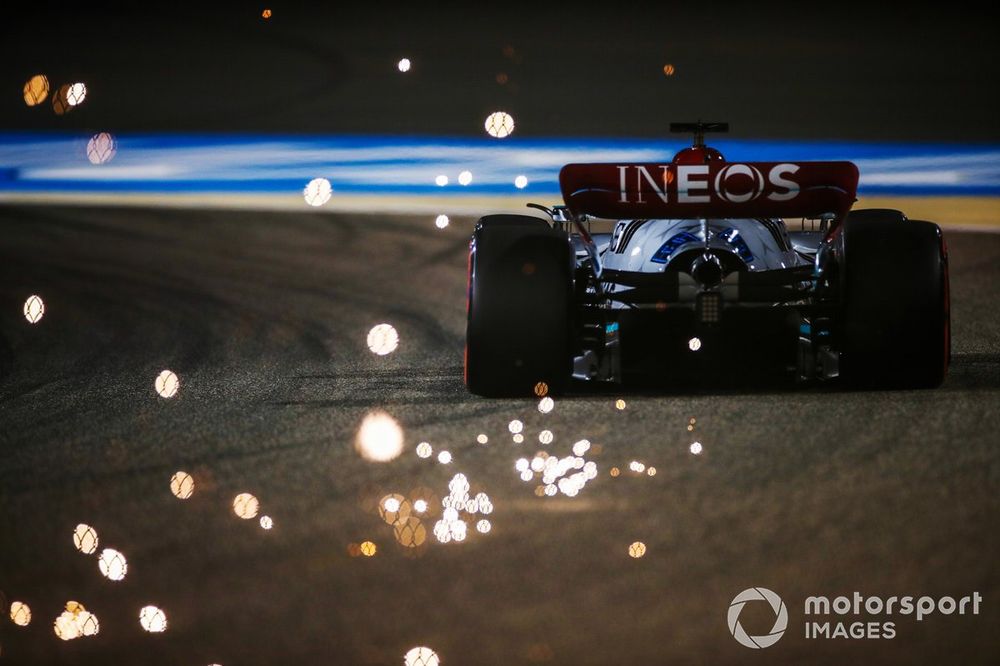
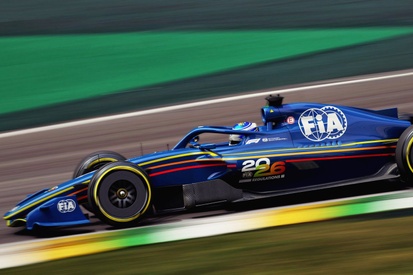
    Mercedes’ trackside engineering director, Andrew Shovlin, has shared his insights on the upcoming changes in Formula 1 regulations for 2026. He believes that the new cars will not face the same issues of porpoising and bouncing that have plagued the current generation of machinery. However, he emphasizes the importance of remaining vigilant as teams explore the limits of the new aerodynamic formula.

    Understanding the Changes in Floor Geometry

    Next year’s floor geometry is set to align more closely with those used before 2022, featuring a largely flat floor between the front and the diffuser. This design change is expected to reduce the likelihood of porpoising due to the airflow structures underneath the car. The previous issues were attributed to vortex structures bursting under load, causing the car to bounce up and then settle back down, creating a cyclical motion.

    Shovlin notes that while many theories circulated about the root cause of these issues, the core problem was the bursting of these vortex structures. With the new design, such problems are less likely to occur, but teams must still be prepared for potential challenges.

    Learning from the Past

    Despite the improvements, Shovlin acknowledges that there will always be traps for teams as they adapt to the new regulations. “There’s always going to be traps and there’s always going to be teams that are disappointed with the job they’ve done. You would never walk into a new set of regulations thinking it will be straightforward,” he explained.

    He also highlighted that the regulations are moving back towards the previous generation of cars, which makes it less likely to encounter the same issues with porpoising that affected the start of these regulations. Even if similar problems arise, Shovlin believes teams now have the tools and knowledge to handle them more effectively.

    “There is always the challenge of trying to get a new formula balanced because we can do work in the simulators but really until you start running the car on track you don’t know exactly how it’s going to behave.”

    Strategic Variance in Energy Deployment

    Shovlin also addressed George Russell’s claim about the potential for more “obscure” overtaking opportunities in 2026. He explained that the energy deployment aspect of the new rules will introduce further strategic variance. However, drivers must be cautious not to over-consume energy in certain situations, as this could lead to being gazumped later in the lap.

    “It’s definitely a big factor in that there is a shortage of energy and you’ve got to do everything you can to harvest as much as possible,” Shovlin added.

    He noted that while the energy shortage will create strategic opportunities for drivers, it will be a similar situation across the grid. “When you have that energy shortage it does create strategic opportunity for the driver so understanding where you can deploy it.”

    The Evolution of Racing Strategy

    Shovlin pointed out that there will be examples where passing early in a lap is relatively easy, but drivers may find themselves retaken later if they drive in such a manner. “It is the way the formula is going to evolve. I don’t think it will be necessarily a massive performance area but it will be a big factor in terms of the strategic racing.”

    Preparing for the Future

    As Formula 1 continues to evolve, the focus remains on balancing innovation with the lessons learned from past challenges. Teams will need to adapt quickly to the new regulations while maintaining a keen eye on potential pitfalls. The future of the sport looks promising, with a blend of technological advancements and strategic depth set to shape the next era of competition.

  • Hudson Summons the Veteran Elite

    Hudson Summons the Veteran Elite

    New Era for Thai National Team Under Anthony Hudson

    The Thai national team, known as the War Elephants, is entering a new chapter under the leadership of English coach Anthony Hudson. After being appointed as the new head coach last month, replacing Masatada Ishii, Hudson has announced his first squad for upcoming matches. This marks a significant moment for the team as they prepare for key fixtures in the coming weeks.

    Hudson’s initial plan includes a friendly match against Singapore on November 13 at Thammasat Stadium, followed by a crucial 2027 Asian Cup qualifying match against Sri Lanka in Colombo five days later. The selection of players reflects a mix of experienced stars and fresh talent, aiming to build a strong foundation for future competitions.

    Veteran Players Return to the Squad

    Among the notable names returning to the squad are veteran players Teerasil Dangda, Theerathon Bunmathan, and Sarach Yooyen. These players have been instrumental in Thailand’s recent successes and bring valuable experience to the team. Their inclusion highlights Hudson’s confidence in their abilities and their importance to the team’s strategy.

    Teerasil Dangda, known for his goal-scoring prowess, has been a consistent performer for the national team. Theerathon Bunmathan, who has been playing well with Buriram United, is considered one of the best midfielders in Thailand. Sarach Yooyen, recognized for his discipline and intelligence on the field, adds depth and versatility to the squad.

    A New Addition: Jude Soonsup-Bell

    One of the most exciting additions to the squad is Jude Soonsup-Bell, a 21-year-old Thai-English player from Grimsby Town in England’s League Two. His call-up represents a step towards building a more diverse and dynamic team. Hudson expressed his enthusiasm about bringing Soonsup-Bell into the camp, emphasizing the need for depth and quality in the squad.

    “Jude is a special player that we want to talk about. We think it’s an important case to add more depth to the squad. We only want to bring in players who are going to help the squad, and we are very excited to get Jude into this camp,” Hudson said.

    Injuries and Strategic Decisions

    Despite the excitement surrounding the new squad, some key players are missing due to injuries. Suphanat Mueanta, a rising star in Thai football, was not included in the list due to an ongoing injury. Hudson explained the decision, stating that it would be too soon to call him up given his current condition.

    “We had a talk with Buriram United and the player still has an injury. We think it will be too quick to call him up for the national team at this time,” Hudson said.

    Fan Support and Future Goals

    Hudson also addressed the fans’ concerns following the unexpected dismissal of previous coach Masatada Ishii. He acknowledged the public’s frustration but urged continued support for the national team. “I truly respect and understand where the fans are coming from. I’m not asking for support or for people to agree with my decision, but what I am asking of the fans is to please support our players because it’s so important that we qualify for the Asian Cup.”

    Full Squad List

    Here is the complete 23-man squad selected by Hudson:

    Goalkeepers:

    – Kampol Pathomattakul

    – Patiwat Khammai

    – Saranon Anuin

    Defenders:

    – Kevin Deeromram

    – Supan Thongsong

    – Nattapong Sayriya

    – Nicholas Mickelson

    – Pansa Hemviboon

    – Suphanan Bureerat

    – Saringkan Promsupa

    Midfielders:

    – Chanathip Songkrasin

    – Theerathon Bunmathan

    – Thanawat Suengchitthawon

    – Benjamin Davis

    – Peeradol Chamratsamee

    – Sarach Yooyen

    – Seksan Ratree

    – Supachok Sarachat

    – Anan Yodsangwal

    Forwards:

    – Supachai Chaided

    – Teerasak Poeiphimai

    – Jude Soonsup-Bell

    – Teerasil Dangda

    The players are set to report for training next Monday, marking the beginning of a new journey under Hudson’s leadership. With a blend of experience and emerging talent, the War Elephants are poised to tackle the challenges ahead.